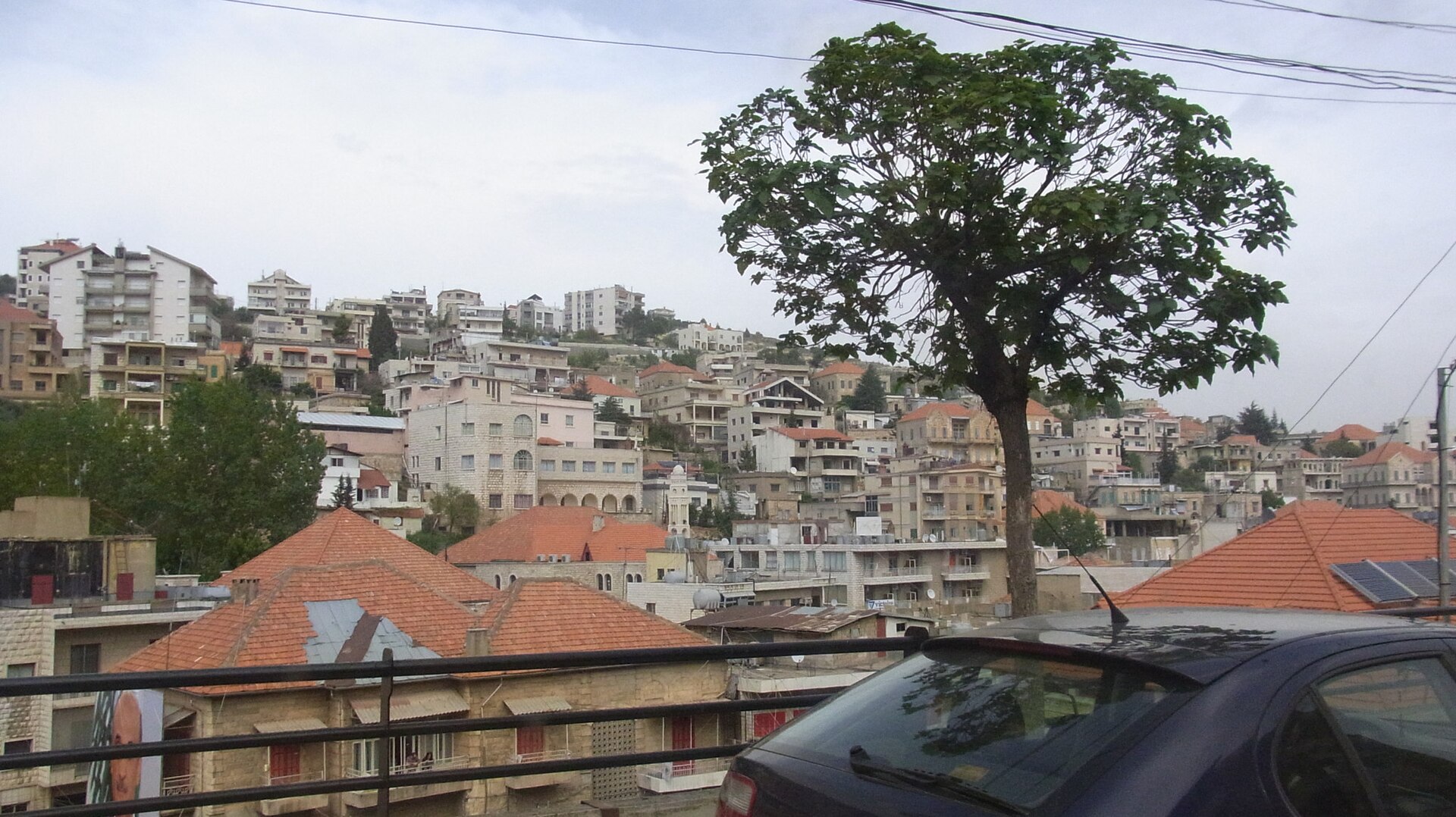
Zahle’s market is one of those places where the past lingers in the most ordinary moments. Stretching along the banks of the Berdawni River, it has been the heart of the city for centuries, a place where trade, gossip, and daily life have intertwined since Ottoman times. Unlike the polished souks of Beirut or the tourist-heavy bazaars of Byblos, Zahle’s market feels lived-in, almost accidental in its charm. There are no grand arches or meticulously restored facades here—just narrow lanes lined with small shops, their wooden shutters faded by the sun, and the occasional stone building that hints at an older, more deliberate architecture.
The market follows the curve of the river, and on warm days, the sound of water rushing over the rocks mixes with the calls of vendors and the clatter of metal trays from the nearby cafés. The Berdawni has always been more than just a backdrop; it was the reason Zahle grew into a trading hub in the first place. In the 18th and 19th centuries, the city was a key stop on the silk and spice routes between Damascus and Beirut, and the market thrived on goods passing through—silk from Mount Lebanon, spices from the East, and later, European fabrics and machinery. Even now, you can still find remnants of that era in the way the stalls are arranged, as if the rhythm of trade hasn’t changed all that much.
Walking through the market, you notice how little has been altered for the sake of visitors. The butcher shops display their cuts of meat on hooks, the scent of fresh za’atar and sumac drifting from the spice merchants, and the bakers pulling loaves of manakish from wood-fired ovens. There are no souvenir stands selling mass-produced trinkets, just practical goods for locals—olive oil in reused plastic bottles, handmade brooms, and stacks of fresh produce that arrive early in the morning from the surrounding Bekaa Valley. The market isn’t trying to be picturesque; it’s simply where people come to buy what they need, and that authenticity is what makes it worth lingering in.
One of the most striking things about Zahle’s market is how it blends into the city’s social life. The cafés along the riverbank are where men gather in the afternoons to play backgammon, smoke argileh, and argue over politics or football. The older generation still remembers when the market was the only place to hear news, when traders from Damascus or Aleppo would bring stories along with their goods. Today, the cafés are quieter, but the tradition of long, unhurried conversations over tiny cups of Turkish coffee remains. The market isn’t just a place to shop—it’s where the city’s pulse is strongest.
The architecture here is unassuming but telling. Most of the buildings are modest, with balconies jutting out over the narrow streets, their iron railings rusted in places. Some of the older structures have arched doorways and thick stone walls, a nod to the Ottoman and French Mandate periods. The French influence is subtle but present—in the layout of certain streets, in the occasional wrought-iron lamp post, and in the way some of the shop signs are written in both Arabic and French. The market has absorbed these layers over time without losing its own character, a quality that makes Zahle feel distinct from other Lebanese cities.
What sets Zahle’s market apart from others in Lebanon is its relationship with the surrounding landscape. The Bekaa Valley, with its vineyards and wheat fields, is never far from mind here. In the early morning, farmers from nearby villages bring their harvest to sell—crates of tomatoes, bunches of mint, and sacks of bulgur. The market is a direct link between the city and the countryside, a place where rural and urban life meet without pretense. Even the river, which can turn from a gentle stream to a raging torrent in winter, reminds you that nature is never far away.
There’s a particular time of day when the market feels most alive—late afternoon, when the sun dips behind the mountains and the air cools. The light turns golden, casting long shadows across the cobblestones, and the scent of grilled meat from the kebab stands mixes with the earthy aroma of fresh herbs. This is when the market shifts from a place of commerce to one of leisure. Families stroll along the riverbank, children chase each other between the stalls, and the sound of laughter carries over the water. It’s a scene that hasn’t changed much in decades, and that continuity is part of what makes Zahle’s market special.
Of course, the market has seen its share of hardship. Zahle has been caught in the crosscurrents of Lebanon’s turbulent history—civil war, occupation, economic crises—and the market has borne the brunt of it. Some of the older shopkeepers remember when the streets were empty during the worst years, when trade slowed to a trickle. But the market has always endured, in part because it’s not just a commercial space but a social one. People keep coming back because it’s where they meet, where they argue, where they share meals and stories. It’s a place that refuses to be reduced to mere transactions.
Today, Zahle’s market is quieter than it once was, but that doesn’t mean it’s any less vital. The younger generation may not spend as much time here as their parents did, but they still come for the essentials—for the fresh bread, the strong coffee, the sense of belonging. The market has adapted without losing what makes it unique. There are fewer donkeys carrying goods through the streets now, and more motorbikes weaving between the stalls, but the rhythm remains the same. It’s a place where time moves differently, where the past isn’t just remembered but still felt in the way people greet each other, in the way the river continues to flow, in the way the market carries on, day after day.