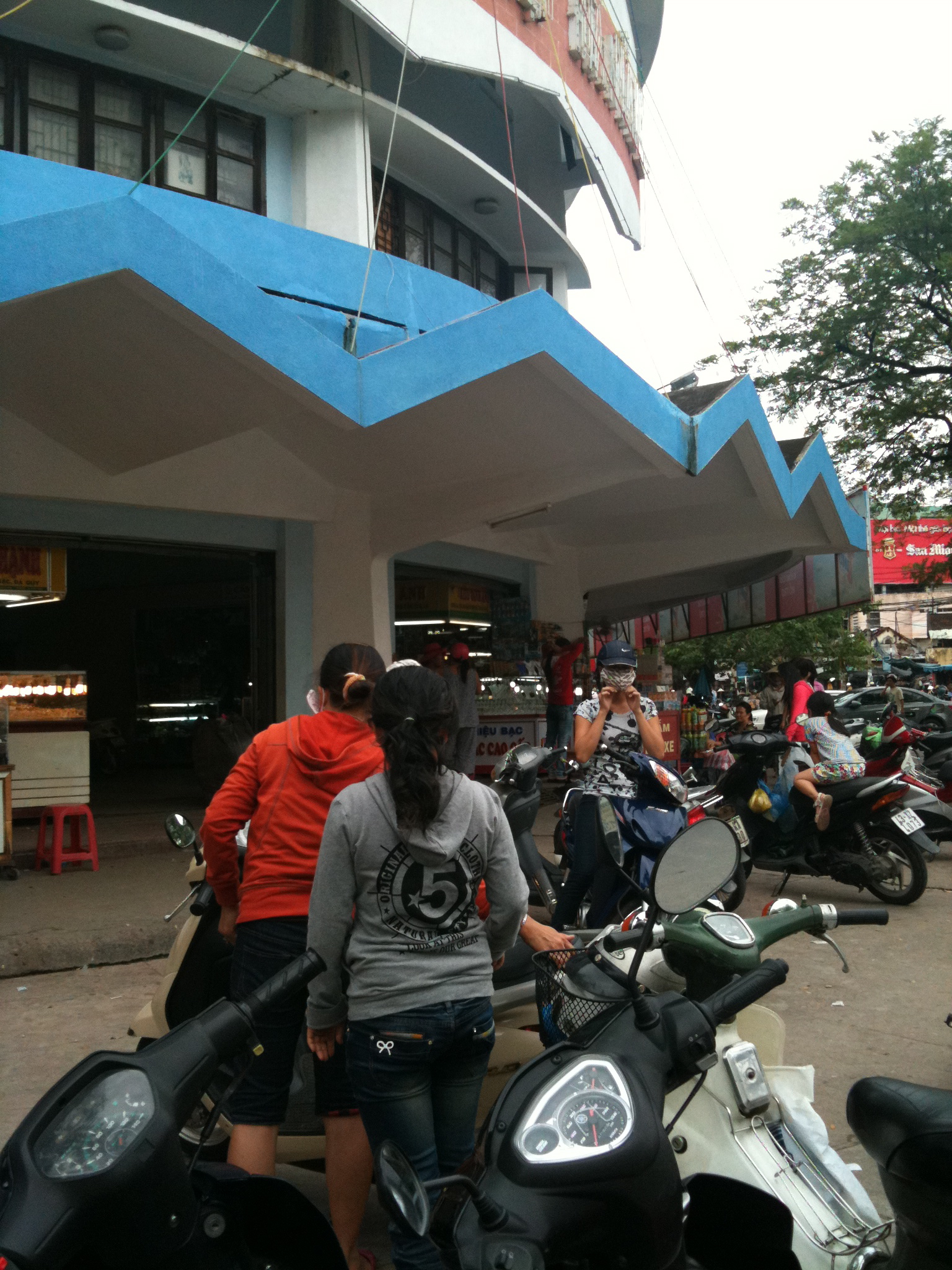
Han Market
Han Market is where Da Nang shows itself without pretense. The air carries the chatter of vendors, the sizzle of street food, and the occasional motorbike cutting between stalls piled with mangoes, lychees, and unfamiliar tropical fruits. There’s no glossy veneer—just the energy of a market that has served the city for generations.
The market’s story is tied to Da Nang’s history. Before the city became a coastal hub, this was a trading spot where fishermen, farmers, and craftsmen exchanged goods. Over time, it grew into the city’s commercial heart. During the French colonial era, imported fabrics, spices, and household items appeared in the stalls alongside local wares. After Vietnam’s independence, the market became a symbol of resilience, a place where the community rebuilt. Even now, with card payments and vendors on social media, it remains a cornerstone of daily life.
The architecture is simple, built for function. Covered pavilions with high ceilings shield shoppers from the sun or rain. The layout follows no strict order. Seafood stalls cluster near the entrance, their counters glistening with fresh catches and tanks of live crabs. Further in, butchers display pork and poultry, their knives moving quickly as they portion orders. The scent of herbs and spices mixes with the earthy aroma of root vegetables and the sharp tang of fermented fish sauce. Near the exits, clothing, shoes, and household goods spill into the walkways, creating a maze for those who wander.
Dawn at Han Market is its own world. Before sunrise, wholesale traders arrive with crates of produce from nearby farms and the night’s catch. By six, the stalls are stocked, and the market is alive. Local women move through the aisles, haggling, gossiping, or pausing for a bowl of *bánh canh*. The early hours are for serious shoppers—those who know what they want and its price. By mid-morning, the frenzy eases, but the market never quiets. In the evening, it draws crowds with cheap meals and the glow of overhead lights on wet pavement.
For visitors, Han Market offers a glimpse of Vietnam without tourist polish. No English signs or curated experiences—just the chance to step into daily life. The food alone justifies a visit: crispy fried squid with chili, bowls of *phở* simmered for hours, *bánh mì* with grilled pork and pickled vegetables, or fruits like mangosteen and rambutan, their juices sweet on the first bite. Vendors are friendly, even if language is a barrier; a smile and pointing work. Bargaining is expected—refusing might earn you a puzzled look.
Han Market is also a record of the city’s changes. Traditional goods—hand-embroidered linens, conical hats, jars of homemade *tương*—share space with imported snacks, phone accessories, and Korean skincare. Yet its soul remains the same because its regulars still rely on it for groceries, gossip, and community. It doesn’t exist for tourists; it simply *is*.
Here, past and present share the same aisles. A grandmother haggling over fish sauce might stand next to a teenager waiting for a smoothie.
If you’re in Da Nang, don’t overlook the market. Skip the beach for an hour. Wander the stalls, even if you don’t buy anything. Stand near the entrance and watch morning deliveries, or linger by a food stall and let the vendor hand you something unfamiliar. The magic isn’t in souvenirs or bargains but in small moments: the way a vendor wraps your purchase in newspaper, the way old men share tea in a corner, the way light slants through the roof in the late afternoon.
Han Market isn’t a place you visit; it’s a place you experience. It doesn’t offer grand narratives or Instagram backdrops, just the rhythm of a city going about its day. In a world of checklists and photo ops, a market like this reminds you that the best parts of a journey are often the ones you stumble into. So go early, go hungry, and go without a plan. Let the market show you Da Nang—not through a lens, but through the senses.