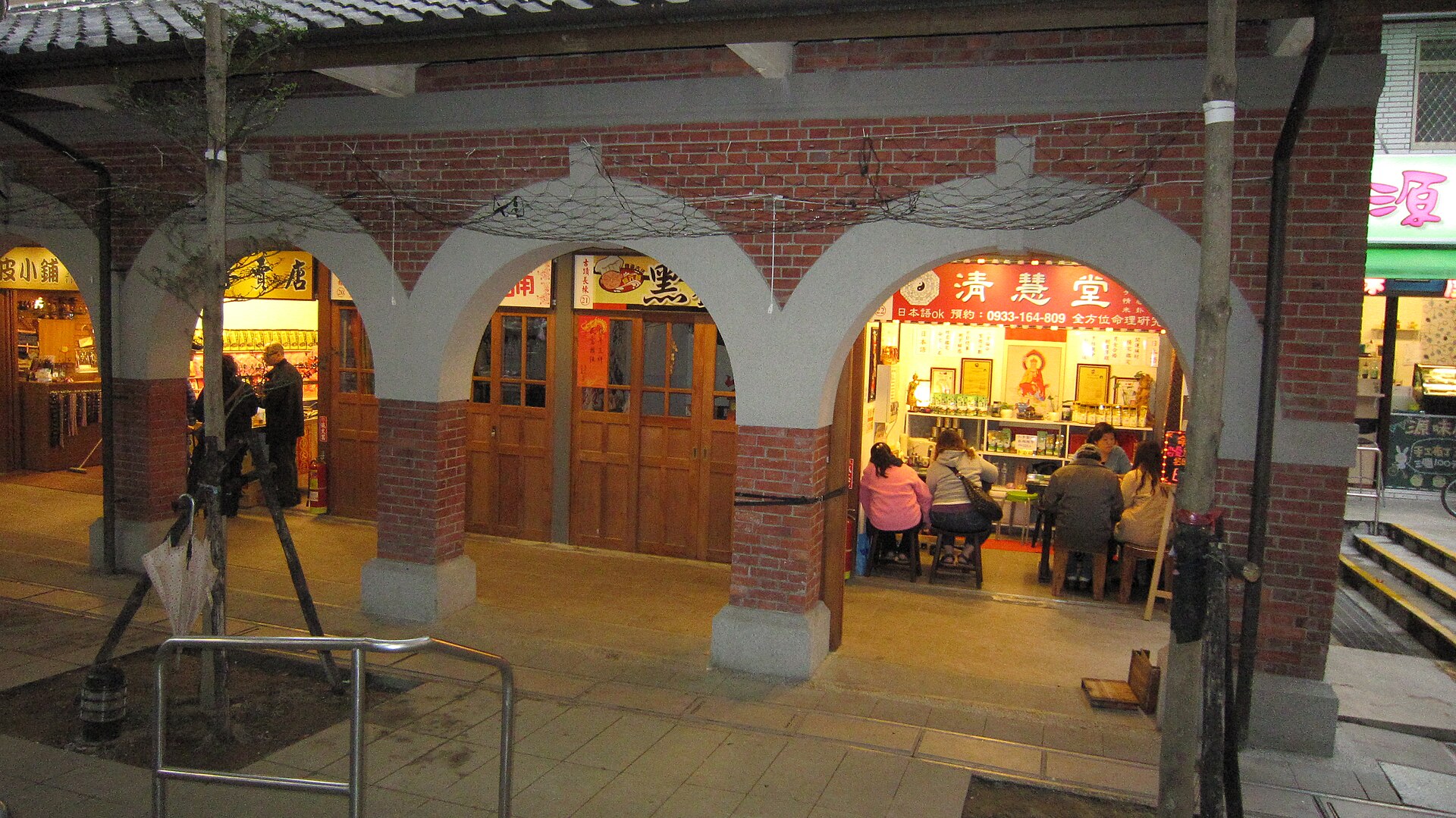
Shilin isn’t a place for maps or checklists. Taipei shows its real self here—loud, unfiltered, alive with the sound of woks, vendors calling out, and the smell of frying oil and spices hanging in the damp air. No tour guides set the pace. Locals do, coming for the same things they always have: food, gossip, a good deal on basil, the small routines that keep life moving. The market runs from morning until late, but night is when it wakes up. Neon lights flicker on, and the scent of fried tofu, sweet pancakes, and spices sticks to your clothes.
Shilin started in the late 1800s as a quiet suburban market. Farmers brought vegetables, fish, and meat to sell to Taipei’s growing population. Over time, it spread into side streets and alleys, turning into the maze of stalls, underground corridors, and pop-up shops it is now. What began as a simple trading post became something else: a record of Taipei’s food and social history. Many vendors have been here for generations. Their families pass down stalls, recipes, and even nicknames. Walk through, and you’ll see the same faces that have served regulars for decades.
The market’s layout is a mix of old and new—temporary stalls, aging buildings, and modern shops connected by narrow alleys. It looks unplanned, but there’s a system. Every vendor has a spot. The underground sections, reached by steep stairs, are where the food stalls cluster. Down there, you’ll find rows of exotic fruits, dried seafood, and other ingredients displayed in a way that’s both overwhelming and orderly. Above ground, the market spills into the streets, selling clothes, electronics, and household goods under the open sky. Between the stalls, tiny eateries serve dishes you won’t find in restaurants unless someone takes you.
Food is why most people come. The best dishes are cooked in front of you. Try the oyster omelet—crispy outside, soft inside, stuffed with plump oysters and eggs. Or the fish ball soup, served in deep bowls with chewy tapioca pearls and fresh herbs. For something sweet, there’s tangyuan (chewy rice balls filled with black sesame paste), caramelized bananas with crisp edges, and bubble tea with its signature tapioca pearls. Each vendor has their own way of making these dishes—some use secret spice blends, others fry the dough a certain way.
But Shilin isn’t just about food. You can buy almost anything here. The produce sections are packed with unfamiliar ingredients: dried shiitake mushrooms, seaweed in every form, century eggs with their dark yolks. Live seafood flops in tanks, waiting to be cooked on the spot. Non-food stalls sell knockoff sneakers, cheap electronics, and household items. For locals, these aisles are part of the weekly routine—stocking up on essentials or grabbing a new pair of socks. For visitors, it’s a look at the practical side of life in Taipei.
The market changes with the time of day. In the early morning, it’s quiet. Vendors set up stalls, and elderly locals shop with baskets. By midday, the energy picks up. Students, office workers, and tourists flood in, grabbing quick bites or browsing. But night is when Shilin transforms. The crowds grow, the noise rises, and the air fills with the sound of sizzling oil and laughter. People eat standing up, share tables with strangers, and blur the line between shopping and socializing. For a few hours, the market becomes the heart of Taipei’s nightlife.
For locals, Shilin is part of daily life. Neighbors catch up over meals. Families buy groceries for the week. Tourists see Taipei without the polish—a place where the city’s rhythms play out in real time. There are no scripted interactions here, just the raw energy of a market that has grown with the people who rely on it.
Shilin isn’t always easy. The crowds can be overwhelming. The noise never stops. The aisles are narrow. But that’s part of why it works. You don’t have to look for the “authentic” experience. It’s in the way a vendor wraps your food, in the way a grandmother haggles over a fish, in the way the market hums with life. It’s not for those who want quiet or order. It’s for anyone willing to jump in and feel the city—not just see it.