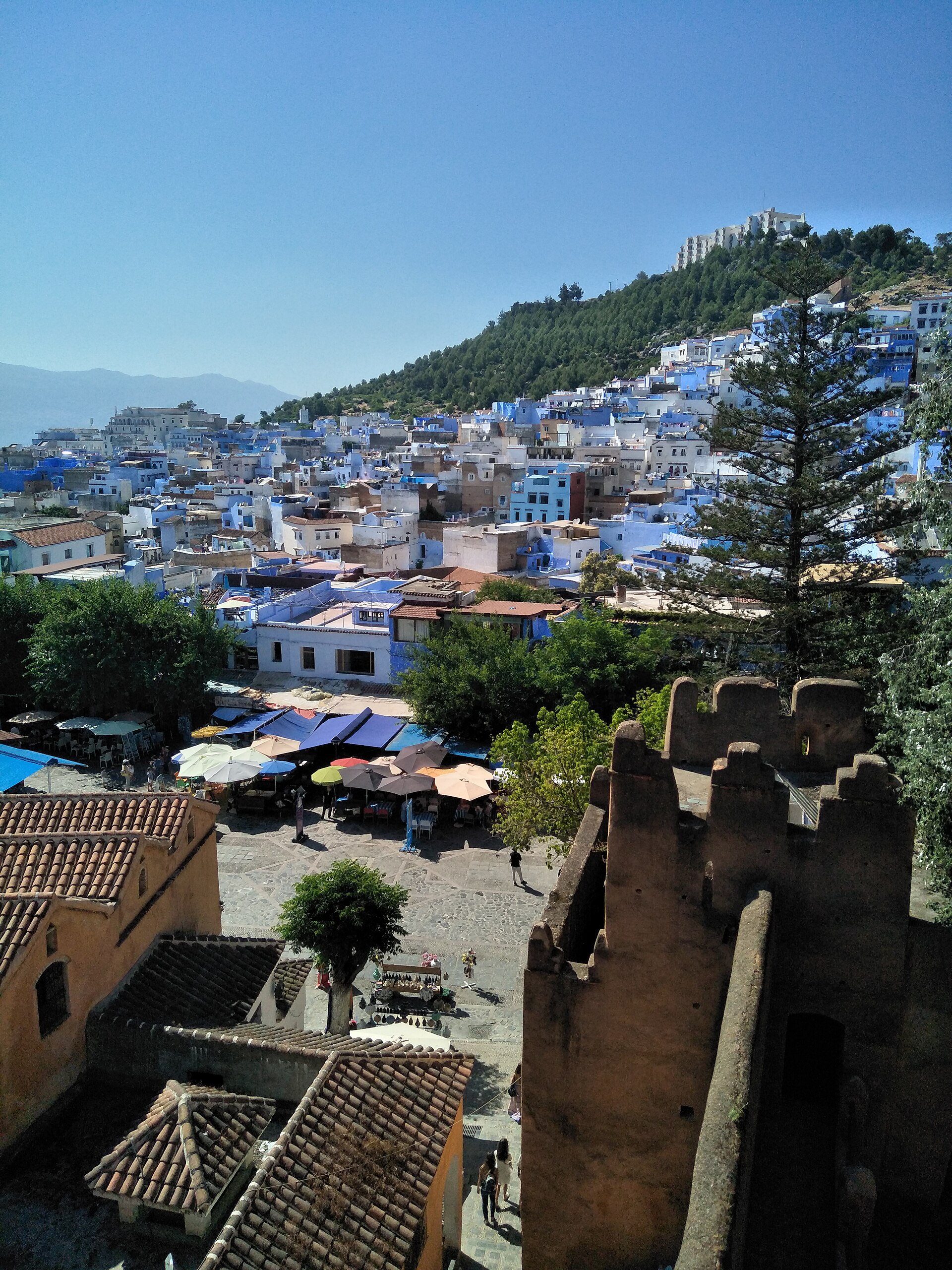
Chefchaouen’s blue-washed walls and winding alleys make it feel like a place suspended in time. The market here isn’t just a stop—it’s where the city’s rhythm becomes tangible. Unlike the souks of Marrakech or Fez, it doesn’t clamor for attention. Instead, it lets you step into the flow of daily life, where trade happens without fanfare.
The market sits in the old medina’s narrow streets, the same ones used for centuries. There are no towering stalls or piles of trinkets. What you see are baskets of tomatoes, bundles of herbs, wheels of goat cheese, and bread still warm from the oven. The displays aren’t polished, but they feel right—like each item has settled into its place over generations. This isn’t just a market. It’s where the city’s heartbeat is loudest.
The market began in the 15th century, founded by Muslims and Jews fleeing the Reconquista in Spain. They brought their traditions and merchant skills, turning the market into a meeting point. Here, news was shared, recipes swapped, and bonds formed. That history still lingers in the way people interact—a shopkeeper pausing to pour tea for a neighbor, bargaining done with laughter instead of pressure. It’s not a museum piece. It’s a tradition that lives on, shaped by the same hands for hundreds of years.
The buildings here are made of clay and stone, their wooden balconies jutting over the streets. Many shops are extensions of homes, with families living just behind the counters. This mix of public and private space gives the market an intimate feel. You might walk past a woman making a basket or a potter shaping clay into bowls. There’s no grand show—just the quiet work of craftsmanship and the occasional clink of a teacup.
Spices are one of the market’s signatures. They’re sold in burlap sacks or wooden crates worn smooth by time. Each vendor has a story for every blend—how cumin warms a tagine, how saffron turns a simple dish into something richer. The spices aren’t just ingredients; they’re a language locals speak fluently. Shopkeepers often offer tastes, letting you compare sweet and smoked paprika or the depth of freshly ground coriander. Sometimes, they’ll mix a custom blend in front of you, adjusting the proportions based on what you’re cooking. It feels less like a sale and more like sharing knowledge.
What makes Chefchaouen’s market different is its lack of pressure. No one rushes you. No one follows you down the street. The pace is slow, the interactions unhurried. Even if you’re just passing through, shopkeepers greet you with a nod or a smile. This restraint creates a rare sense of respect, one you don’t find in places overrun by tourists. The market isn’t here to impress visitors. It’s here to serve the people who rely on it, and that’s what makes it real.
The market is also where the city’s social life unfolds. There’s no divide between locals and outsiders—everyone shares the same alleys, stops at the same stalls, sips the same mint tea. The rhythm follows the sun: mornings are busy, with farmers unloading produce and bakers arranging bread. By midday, the crowds thin, and the market slows, picking up again in the late afternoon. It’s a cycle that has repeated for centuries, barely changed.
If you visit Chefchaouen, don’t hurry through the market. Spend time watching how people move, listening to conversations, tasting the food. You won’t find flashy souvenirs here. What you will find is a place where past and present coexist, where life unfolds as it always has—one slow, sunlit moment at a time.