São Filipe’s market is one of those places where time moves at its own pace, unhurried yet full of quiet energy. Tucked into the heart of the town, it has long outgrown its role as a simple trading post to become something far more alive—a place where history, culture, and daily life intertwine without pretense. There’s no rush here, no clamor of a big city. Instead, there’s the steady rhythm of island life, where every stall has a story to tell, and every transaction feels like part of something larger.
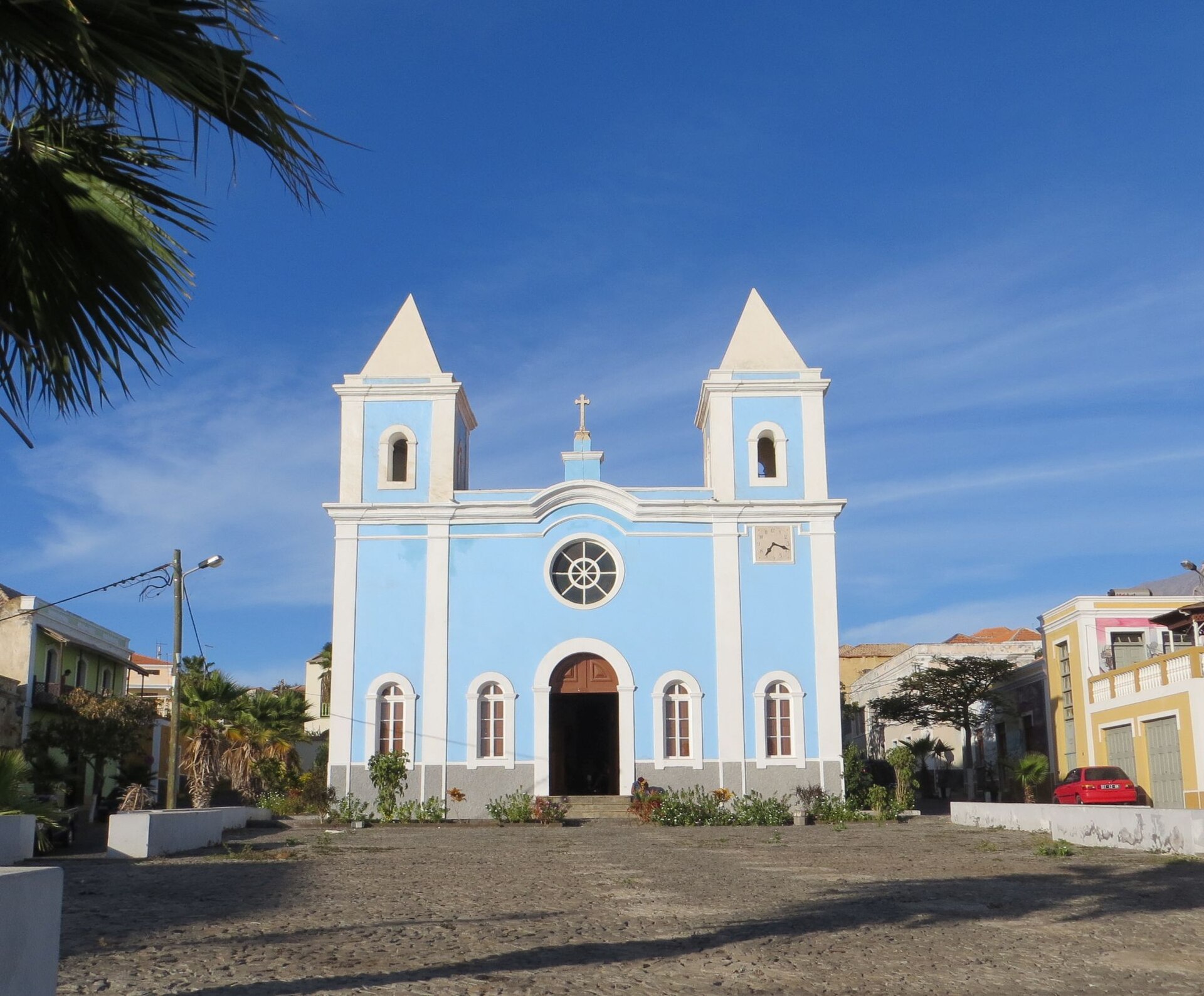
The market’s architecture is unassuming but striking in its own way. Low buildings with terracotta roofs, painted in soft pastel shades, create a space that feels both open and intimate. Inside, narrow passageways wind between stalls piled high with goods from local farmers and artisans. The walls, built from volcanic stone, carry the weight of the island’s geological past, while wooden beams overhead add a touch of warmth. It’s a place that feels rooted in tradition, even if it doesn’t claim to be a historical monument.
São Filipe’s colonial past is woven into the fabric of the market. Centuries ago, it was a hub not just for locals but for merchants arriving with goods from Africa, Europe, and even the Americas. Spices, fabrics, ceramics, and foodstuffs changed hands here before moving along ancient trade routes. Today, the market’s scale is smaller, but it still pulses with the same energy. Mornings bring fresh catches from the Atlantic—tuna, mackerel, sardines—while later in the day, farmers arrive with produce from the fertile slopes of Fogo: sweet potatoes, cassava, pumpkins, and an array of tropical fruits.
What makes the market truly special, though, are the people. Many of the vendors have worked here for decades, greeting regulars by name and sharing stories about their goods. Haggling isn’t aggressive; it’s part of the ritual, a way to connect. Even if you’re not buying, just standing by a stall, listening to the mix of Creole and Portuguese, watching women in bright dresses weigh produce on old-fashioned scales—it’s an experience in itself. The market isn’t just a place to shop; it’s a place to observe, to soak in the rhythms of daily life.
The stalls offer a glimpse into Cape Verdean cuisine. Fresh fish lies alongside smoked meats and seafood, often cooked right there on the spot. Tropical fruits—mangoes, papayas, bananas—share space with less familiar ones like cashew apples and coconuts. Vegetables grown on the volcano’s slopes, such as sweet potatoes and cassava, are staples here. Then there are the spices: dried piripiri peppers, bay leaves, coriander, and others that give the island’s dishes their distinctive flavor. Everything feels fresh, vibrant, and deeply tied to the land.
Beyond food, the market is a showcase for Fogo’s crafts. Artisans sell handwoven baskets, pottery, jewelry made from shells and coral, and fabrics with traditional patterns. The most unique items are those carved from volcanic stone—small sculptures, candle holders, and bowls made from basalt quarried on the island. Each piece is one-of-a-kind, shaped by the same forces that formed Fogo itself. Buying something here isn’t just about taking home a souvenir; it’s about carrying a piece of the island’s culture with you.
The market wakes up early. By six in the morning, farmers from nearby villages arrive with their produce, fishermen unload their catches, and vendors arrange their goods. By nine, the place is alive with chatter, laughter, and the hum of mopeds delivering supplies. By midday, the energy slows—siesta time, when the market quiets and locals retreat to their homes or cafés. It picks up again in the evening, though never as intensely as in the morning. If you linger until sunset, the sky turns golden, and the air fills with the scent of grilling fish and spices.
For visitors, São Filipe’s market is more than just a place to buy groceries or trinkets. It’s a chance to see the island as it really is—unpolished, unpretentious, but warm and welcoming. There are no tourist traps here, no inflated prices or pushy vendors. Just people going about their lives, selling what they grow or make. If you want to understand Fogo, start here. Let the smells, sounds, and stories guide you—not just the ones told by the vendors, but the ones whispered by the walls themselves.