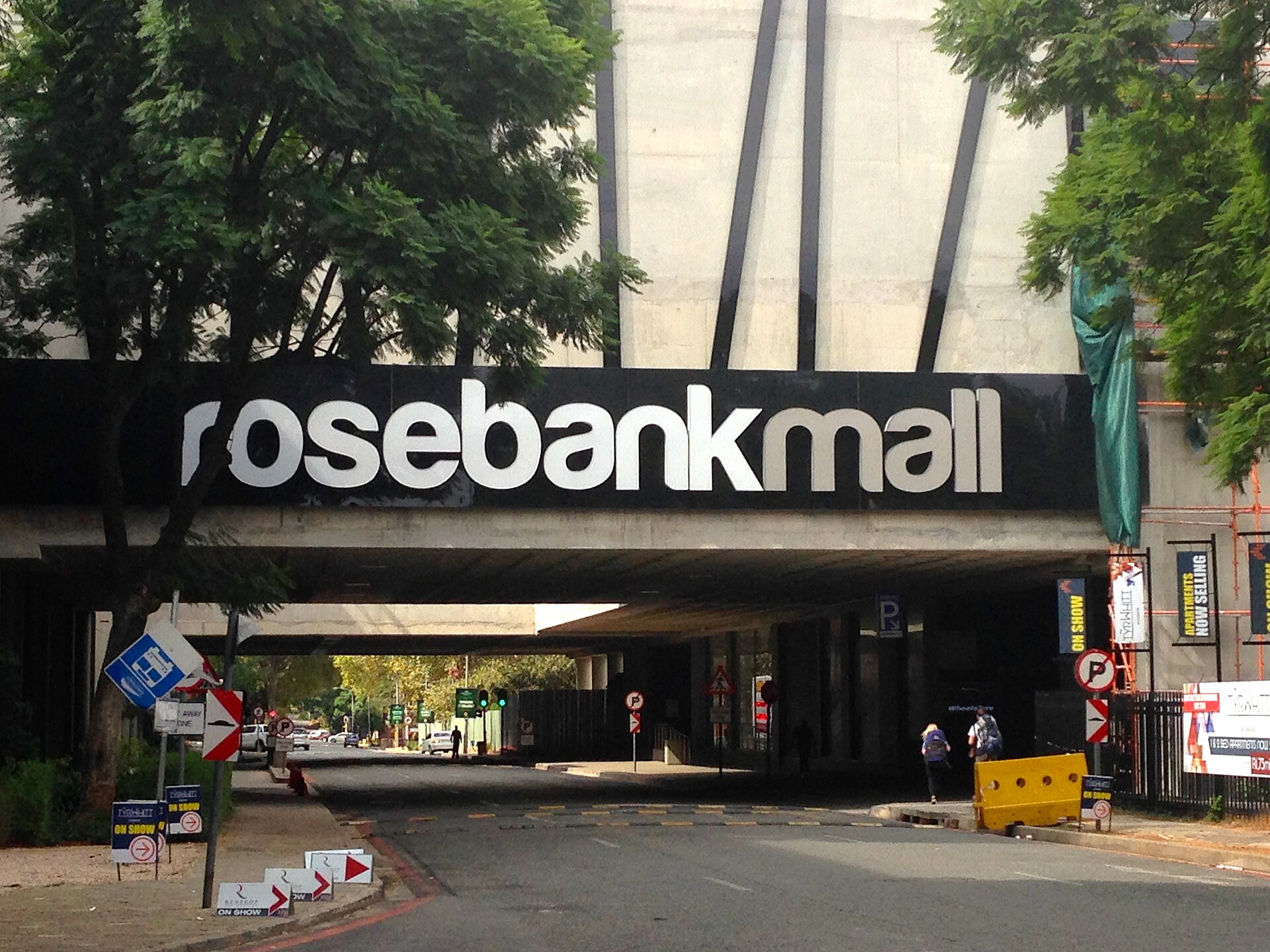
Johannesburg’s energy shifts here—slower, softer. Glass-and-steel towers loom over leafy avenues, but the market is a pause in the rush. No crowds jostle, no one haggles. People wander, taste, watch the city breathe. It’s not about buying; it’s about the quiet rhythm of a Sunday morning.
The market started in the late 1990s, when South Africa was still shaping what a modern street market could be. Back then, it was a small Sunday gathering where artisans and farmers brought their goods, mixing African traditions with European influences. Over time, it grew, drawing locals and visitors tired of tourist traps. Today, Rosebank mirrors Johannesburg: a place where cultures, classes, and ideas collide.
Rosebank sprawls outdoors across an old industrial area. Brick buildings and cobblestone paths remain, while wooden tables and benches scattered among the stalls invite lingering. Live music—jazz, African beats—fills the air, blurring shopping, eating, and simply being there. No strict divisions; everything flows.
What stands out is how human it feels. No hard sell, no pressure. Vendors share stories: how a piece of jewelry was made, why a coffee bean comes from Mpumalanga, how to cook bobotie. Many craft what they sell—pottery, textiles, upcycled accessories. Even a simple purchase feels personal, like taking home more than an object.
Food is central. Flavors span the continent and beyond: West African stews, Dutch pastries, sushi. Local specialties like grilled ostrich and biltong share space with fresh bread, artisanal cheeses, and carefully brewed coffee. Baristas here adjust grind size and water temperature, so even coffee lovers find something to savor.
Rosebank reflects Johannesburg’s cultural revival. New galleries, cinemas, and festivals have emerged, and the market hosts pop-up art exhibitions, workshops, and performances. It’s a space where the city’s creative energy is on display, where visitors feel part of something evolving.
Johannesburg is a city of extremes, and Rosebank shows it. Middle-class shoppers mingle with vendors who’ve traveled from townships. Differences are subtle—quick transactions here, careful coin counts there—but they’re real. That mix makes the market feel authentic, not staged.
No pretense here. The air smells of spices and grilled meat. Children laugh between stalls. Conversations spill from tables. Even if you don’t buy, walking through is enough. Grab a coffee, find a seat, watch the crowd—locals, expats, travelers, each with their own reasons.
The market only opens on Sundays. In a city that never slows, it offers stillness. No rush, no agenda. Arrive in the morning, spend hours browsing, eating, listening to music. Then explore the neighborhood—a park, a gallery. For many, it’s a Sunday ritual, a way to ease into the weekend with good food, good company, and the sense that the city has taken a breath.