Mokolo Market is where Cameroon reveals itself without filters. It’s not just a place to trade—it’s a space where the city’s history, culture, and daily life collide. Here, vendors and customers move in the same rhythm, and the line between local and visitor fades. Every sound, scent, and movement pulls you in before you realize it.
The market emerged in the mid-20th century as Yaoundé grew from a small settlement into the capital of an independent nation. It became the city’s central hub, where people found food, fabric, medicine, and tools. Over time, it spread across a neighborhood, its alleys covering several hectares and housing hundreds of stalls. There was no plan—just growth shaped by the people who used it.
The market’s architecture tells its own story. Corrugated metal roofs sit beside wooden stalls, concrete pavilions stand next to open-air counters, and narrow passageways open into small squares where people pause for coffee or conversation. The layout adapts to the weather—shade in the heat, shelter from the rain. It changes as Yaoundé changes.
You can find almost anything at Mokolo if you know where to look. One end is piled with pineapples, mangoes, bananas, and sweet potatoes, alongside sacks of peanuts, dried fish, and spices. Nearby, butchers hang cuts of meat in the open air, while women arrange bundles of fresh herbs. Further in, the fabric section displays African prints—wax cloth, cotton, and silk—used for garments like the *kaba* or *boubou*. There are shoes, bags, cosmetics, and secondhand car parts. Artisans sell handcrafted masks, wooden sculptures, and beaded jewelry from different regions.
The market’s mood shifts with the hours. At dawn, vendors set up their goods and exchange greetings. By midday, it’s a swirl of activity—haggling, laughter, footsteps on uneven ground. The air smells of grilled plantains, fresh bread, and spices. As evening falls, the crowds thin, but the market doesn’t empty. Some come for last-minute purchases, others linger to chat.
Mokolo is a social hub. Old friends reunite here, news spreads faster than any newspaper, and gossip flows as freely as the palm wine sold in plastic cups. For many vendors, the market is a second home—they spend their days here, sometimes even sleeping in their stalls. Shoppers don’t just come for goods; they come for connection. A visit might mean catching up on neighborhood news, learning a new recipe, or watching the city’s daily life unfold.
Haggling is part of the culture. Prices are rarely fixed, and the final cost depends on your ability to negotiate. A back-and-forth over a bundle of fabric or a bag of spices can last several minutes, punctuated by jokes. For locals, it’s routine; for visitors, it’s a way to engage with the place. Relax, enjoy the process, and don’t take it too seriously.
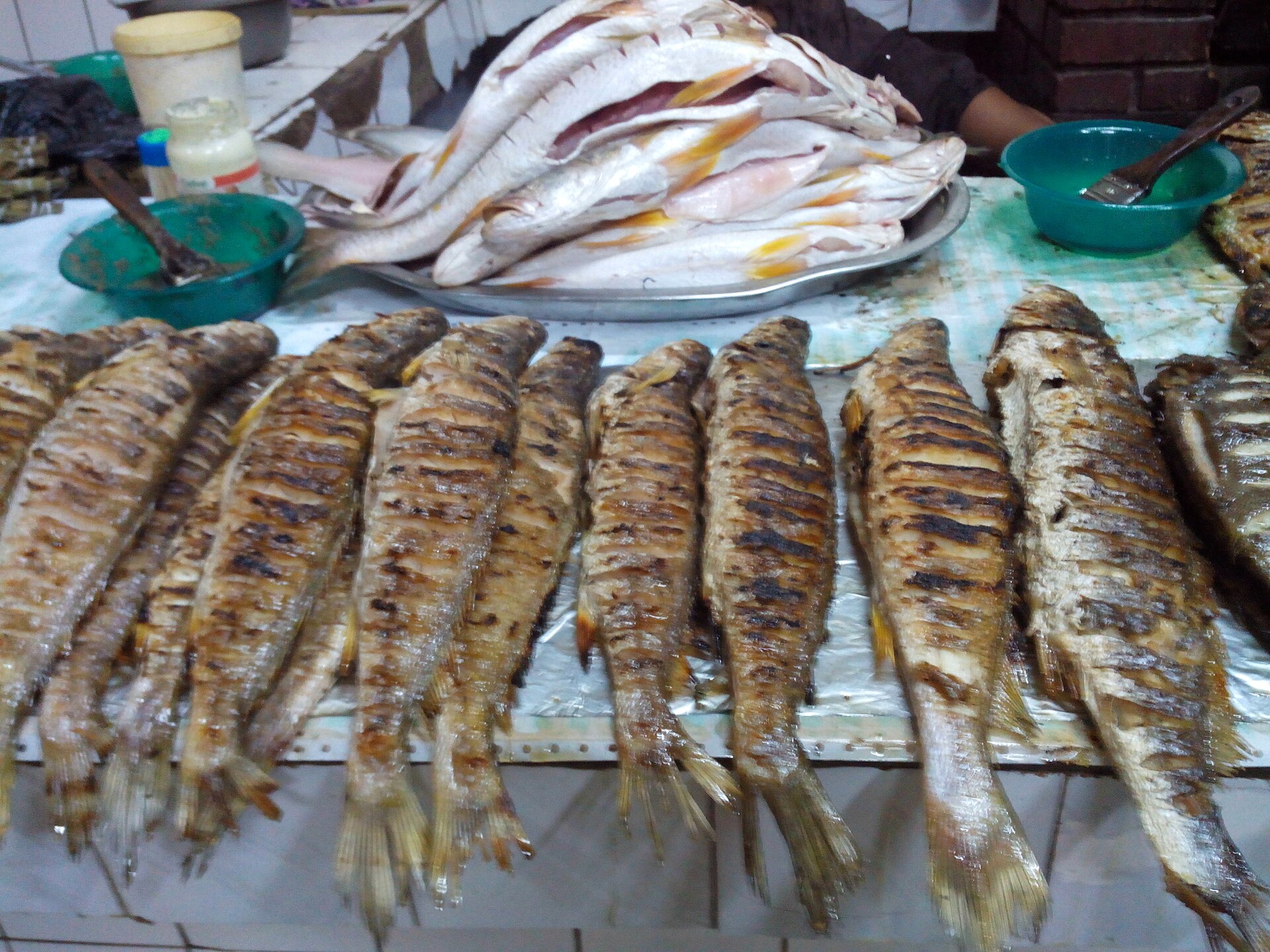
Mokolo reflects Cameroon’s diversity. You’ll hear French, English, and local dialects like Ewondo or Bassa. People from different ethnic groups—the Bamileke, the Fulani—gather here, each bringing their own traditions. Food stalls serve regional specialties: *ndolé* stew, *miondo* doughnuts, or grilled fish wrapped in banana leaves. You can sip locally brewed beer or try palm wine poured straight from jugs. The market feels like a miniature Cameroon, where identities intersect.
The narrow alleys can feel overwhelming, the noise and crowds exhausting. During the rainy season, some paths turn to mud; in the dry heat, dust and the scent of spices and sweat fill the air. But these imperfections are part of what makes the market real. There’s no perfection here—just the messy reality of daily life.
If you want to understand Yaoundé or Cameroon, start at Mokolo. There are no tourist traps, no scripted experiences—just the city’s pulse. Wander the stalls, listen to conversations, soak in the atmosphere. Even if you leave empty-handed, you’ll take something with you—the sights, the sounds, the stories.