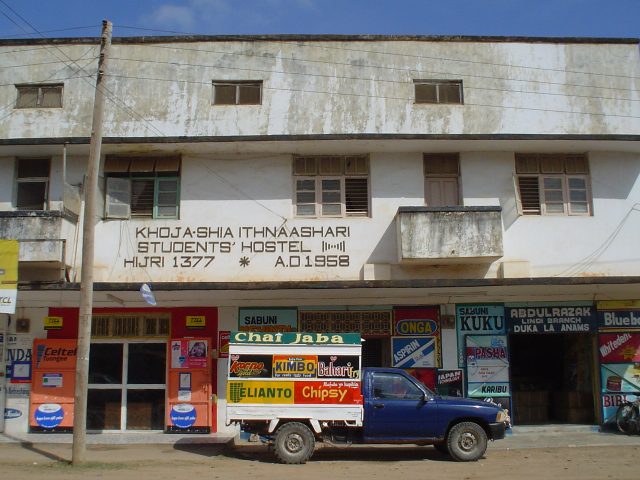
Lindi Market isn’t just a place where goods change hands—it’s the living pulse of the town, a space where the rhythms of daily life unfold without pretense. Tucked away in southern Tanzania, far from the well-trodden paths of Zanzibar or the Serengeti, Lindi feels like a world apart. The market reflects that distance, a far cry from the orderly stalls of European bazaars. Here, chaos has its own logic, and the lack of rigid structure is precisely what makes it feel so alive. There’s only one rule that matters: everything is real, unfiltered, and immediate.
The town itself carries layers of history, once a bustling port where traders from across the Indian Ocean converged. Arab merchants, Indian settlers, and local communities all left their mark, and the market absorbed those influences over generations. Today, you’ll find goods from all corners of Tanzania and beyond—Zanzibar spices, fabrics from Dar es Salaam, fresh fish from the coast, and produce from nearby farms. But the real draw isn’t the variety of items for sale; it’s the way they’re sold, the conversations that swirl around them, and the unspoken stories behind each transaction.
Mornings at the market start before dawn. By the time the first light touches the horizon, vendors are already setting up, arranging their wares in the best spots. By six, the air is thick with the scent of fresh bread, fried fish, and the sharp tang of spices. Women in vibrant kangas—traditional wrap dresses—pile mangoes, pineapples, and bananas onto their tables, their colors almost too bright against the dusty ground. Nearby, men sell fish hauled in overnight from the Indian Ocean, still glistening with saltwater. The fabric stalls are a mix of everything: bold African prints, plain cotton, and even cheap imports from China, somehow making their way to this quiet corner of the continent.
Spices hold a special place here. Tanzania is one of the world’s largest producers of cloves, vanilla, and cinnamon, and Lindi’s market is no exception. Vendors don’t just sell pre-packaged blends; they offer whole baskets of dried leaves, roots, and pods, their aromas so intense they linger in your clothes long after you’ve left. The sweetness of vanilla mingles with the sharp bite of cloves and the warm earthiness of cinnamon, creating a scent that’s almost overwhelming. If you’re lucky, you might see women sorting spices by hand, a practice passed down through families for decades. It’s not just commerce—it’s a tradition in motion.
But the market is about more than buying and selling. It’s where people gather, where news spreads, and where the town’s social life unfolds in real time. Old friends stop to chat, children dart between stalls, and elders sit in the shade, watching the ebb and flow of activity. There’s no rush here, no sense of time pressing down. Conversations meander, deals are struck with a handshake, and laughter carries over the hum of voices. It’s a place where life moves at its own pace, unhurried and unscripted.
The architecture is simple, built for function rather than aesthetics. Most stalls are little more than wooden tables under corrugated metal roofs, offering shade in the heat and shelter during the rainy season. Some vendors work directly on the ground, spreading out their goods on mats or cloth. At the heart of the market stand a few old coral-stone buildings, remnants of Lindi’s colonial past when the town was a key trading hub. Now, they house small shops selling everything from batteries to bolts of fabric, their thick walls a quiet contrast to the bustle outside.
This isn’t the kind of market where tourists come for souvenirs or Instagram-worthy shots. It’s raw, unpolished, and deeply human. The smells—of fish, spices, and sweat—are strong. The sounds—of bargaining, laughter, and the occasional argument—are constant. The people are real, not performing for visitors. That authenticity comes with its own challenges: some vendors can be persistent, and not every product is top quality. But that’s part of the experience, a reminder that this isn’t a curated attraction but a place where life happens, messy and unfiltered.
If you find yourself in Lindi, don’t just walk past the market. Take your time. Watch how the day unfolds, how the light shifts over the stalls, how the crowd thickens and thins. Try the food—ugali with fish, or mandazi, the sweet fried dough sold at nearly every corner. Buy a handful of spices or a length of fabric, not as a souvenir, but as a piece of the place itself. And if you get lost in the maze of stalls, don’t worry. That’s often when you stumble upon something unexpected, something real. The market doesn’t just sell goods; it offers a glimpse into the soul of the town, and that’s far more valuable than anything you could carry home.