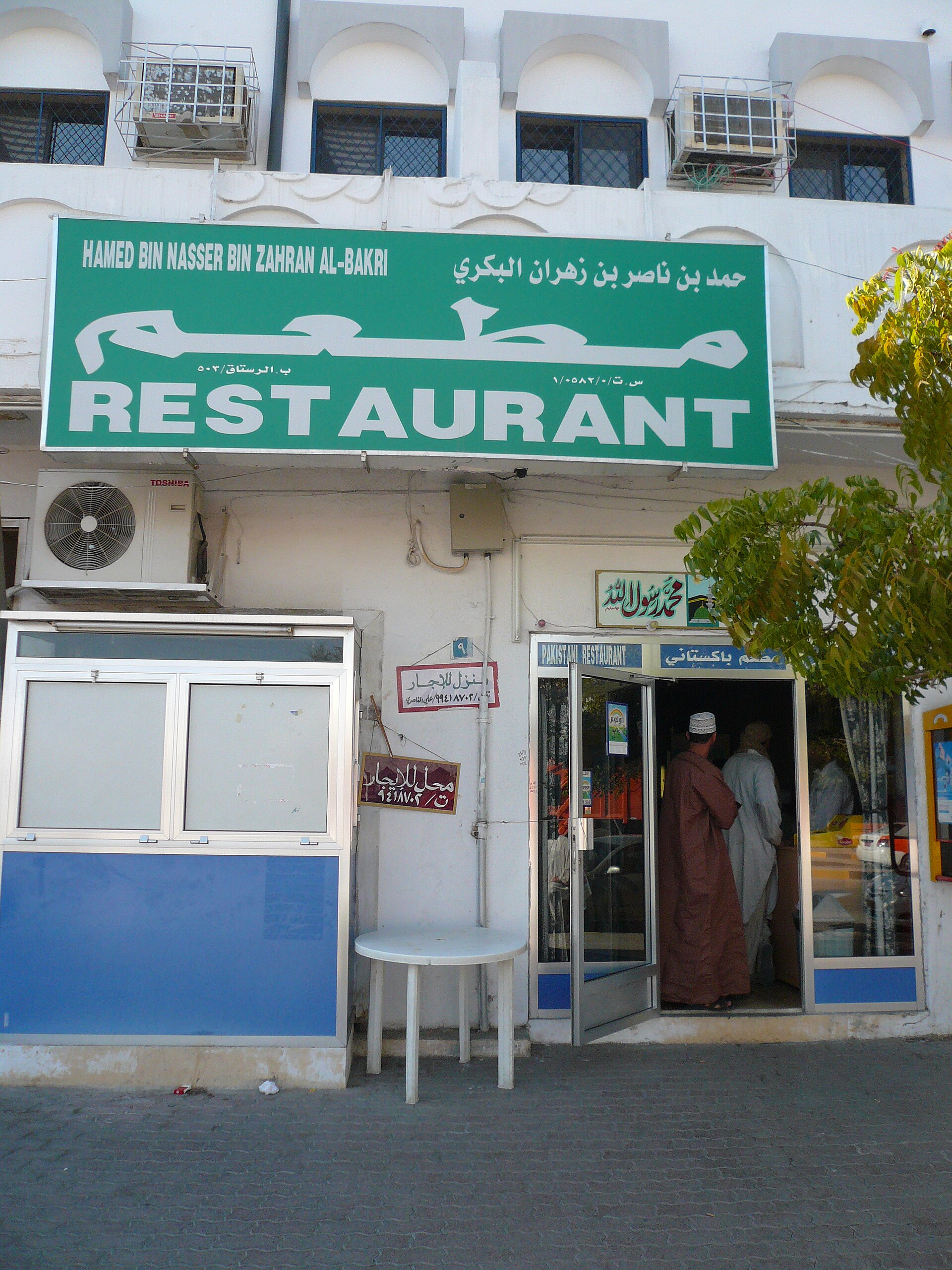
Ar-Rustaq’s souk is one of those places where the world seems to slow down, revealing the city in a way you wouldn’t expect. Unlike the bustling malls of modern cities or even the tourist-friendly markets of Muscat, where every stall is designed for visitors with cameras, this market moves to its own quiet rhythm. It’s a place where tradition lingers in the air, where the pace of life feels unhurried, just as it has for generations in Oman’s smaller towns.
Ar-Rustaq itself is a city with a deep past, once the capital of Oman and a key trading hub between the coast and the interior. The souk grew naturally from this history, a meeting point for merchants, craftsmen, and locals. It was never built for tourists, and that’s what makes it special. Even now, walking through its narrow lanes, you can sense the old trading culture—where deals were about more than just profit, where conversations, news, and the simple pleasure of bargaining mattered just as much.
The architecture here is classic Omani: low buildings with flat roofs, made from clay and stone, offering shade even in the hottest hours. The narrow passages between stalls aren’t accidental—they shield visitors from the sun and allow the air to flow, creating a natural coolness. In some spots, palm leaves or wooden beams cover the ceilings, adding warmth and reminding you how everything here is shaped by the climate and the needs of the people.
What you’ll find at the souk is what locals actually use in their daily lives. Fresh vegetables and fruits arrive from nearby farms, their colors bright against the earthy tones of the market. Spices fill the air with rich scents, and traditional Omani sweets—like halwa or dates stuffed with nuts—are stacked in neat piles. Handmade goods take center stage: pottery, woven baskets, leatherwork, and silver jewelry. Many artisans work right in their stalls, carving patterns into wooden boxes or weaving baskets from palm fronds. These aren’t tourist trinkets; they’re things Omanis buy for themselves, and that authenticity is part of their charm.
Then there’s the frankincense. Oman has long been famous for its high-quality resin, and here you’ll find it in all forms—raw chunks, ground blends, or ready-to-burn incense sticks. The sellers are happy to explain the differences, showing you how to use each type or letting you test the scent on your wrist. Nearby, you’ll see the traditional copper burners used to heat the resin, filling homes and mosques with its smoky, earthy fragrance.
The souk follows its own schedule. Mornings are the busiest, when the sun hasn’t yet turned the cobblestones scorching hot. Farmers bring their harvest, women pick out ingredients for lunch, and elders gather at tea stalls to sip strong cardamom coffee while catching up on the day’s news. By midday, things quiet down—siesta time, when traders close their shops and retreat to the shade. The market comes alive again in the evening, but more gently, as locals return not just to shop but to sit, talk, and unwind over tea.
For visitors, Ar-Rustaq’s souk offers a glimpse of Oman without the polish of tourist routes. There are no guides leading groups along a set path, no signs in English, no rush. You can wander the lanes, peek into stalls where sellers might offer you a taste of dates or a cup of tea out of curiosity rather than pressure, and feel the unhurried rhythm of a real Omani town.
In recent years, more travelers have started to discover Ar-Rustaq, but the souk hasn’t lost its authenticity. Maybe it’s because the city lies off the main tourist trail, or maybe it’s because Omanis themselves hold their traditions close. The market isn’t trying to cater to outsiders—it remains a place where locals are the main characters, and visitors are just passing through.
Coming here isn’t about shopping; it’s about stepping into the everyday life of Oman. You’ll see how people live outside the capital, what they value, and what they consider important. You’ll watch bargaining that’s more about ritual than savings, hear conversations that mix news and jokes, and maybe even be offered a sweet or a cup of tea. Most of all, you’ll soak in the atmosphere of a place where time moves slowly, and every corner has a story to tell.