Alatau Market in Qonaev isn’t the kind of place you’ll find in glossy travel brochures. There are no plaques explaining its history, no neatly arranged stalls for tourists, no signs in multiple languages. Instead, it’s a raw slice of everyday life—a place where the city reveals itself without filters. The air hums with the sounds of bargaining, the scent of fresh bread and spices, and the murmur of conversations in Kazakh, Russian, and other languages. It’s less a landmark and more a living organism, one that shifts with the rhythms of the town yet retains the kind of authenticity that makes people return.
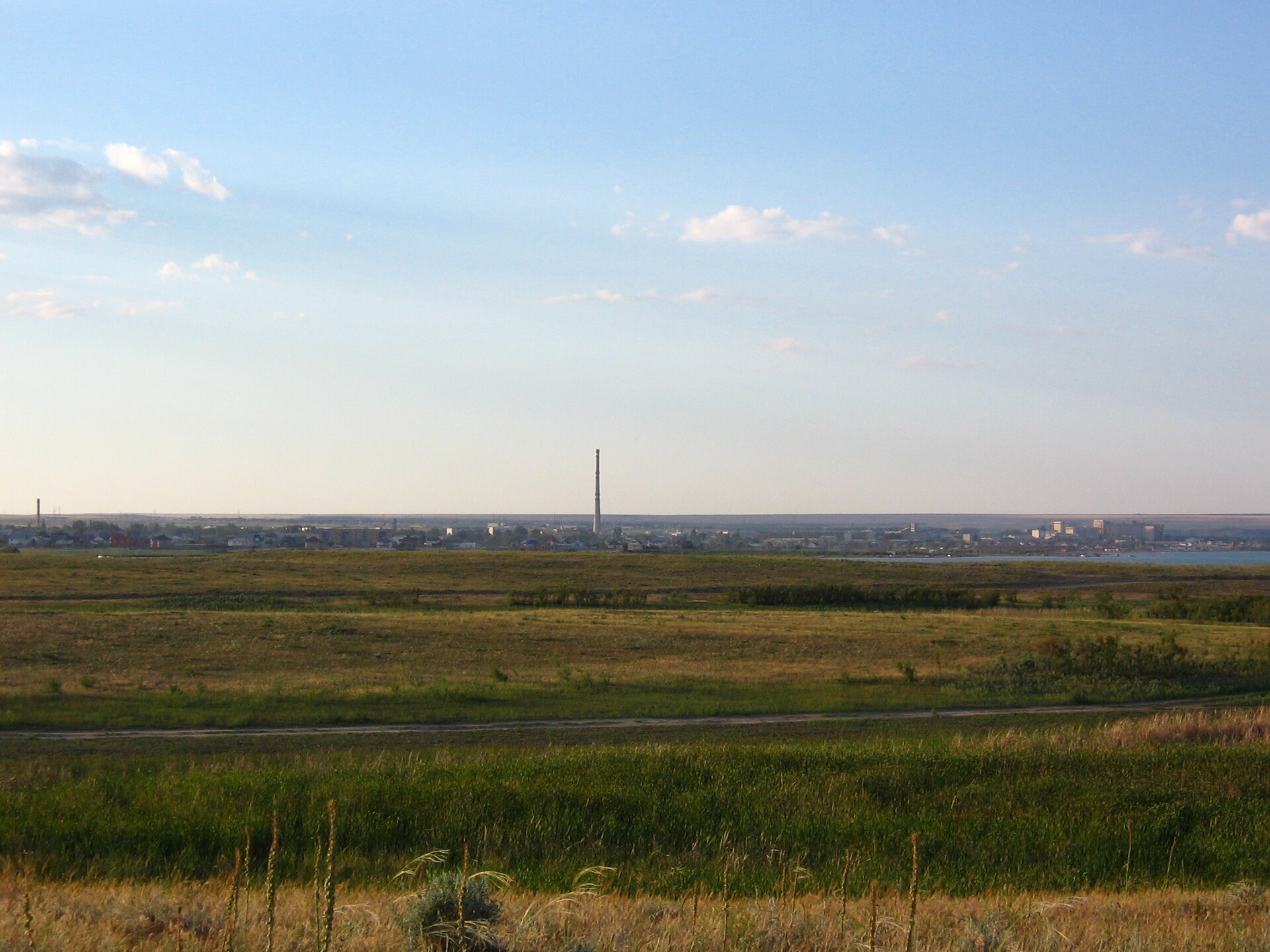
Qonaev itself is a city shaped by water. It sits on the shores of the Kapchagay Reservoir, a man-made lake created in the 1960s when the Kapchagay Hydroelectric Power Station was built. What began as a small settlement for workers soon grew into a proper town, and later, a city with its own identity. Markets like Alatau have always been the heart of such places. In Soviet times, they were more than just places to buy groceries—they were social hubs where people caught up on news, settled minor disputes, and forged connections. Alatau has held onto that role, even as the world around it changes.
The market is a crossroads of sorts. Here, the lives of locals and visitors briefly intersect over stalls of fresh fish pulled from the reservoir that morning, or bags of spices brought from distant countries. The layout is simple: rows of stalls under makeshift awnings, each section with its own purpose. The center is dominated by meat and fish vendors, where the air stays cool even in summer. Nearby, vegetable stands overflow with tomatoes, cucumbers, and bunches of herbs. Dried fruits, nuts, and honey are spread out on trays, with sellers eager to explain the differences between varieties. A separate wing is devoted to clothing and household goods, where you might find anything from practical winter boots to cheap plastic toys.
What sets Alatau apart is its unapologetic local flavor. This is where you’ll find the foods that define Kazakh cuisine but rarely make it onto restaurant menus. There’s *kurt*, a hard, salty dried cheese that locals snack on like jerky, and *irimshik*, a soft, crumbly cheese meant to be eaten with flatbread. Vendors often offer samples, urging you to taste before you buy. Nearby, large barrels hold *kumys* and *shubat*—fermented mare’s and camel’s milk, respectively. The taste is an acquired one, sharp and slightly sour, but here, it’s easy to understand why these drinks have been staples in Kazakhstan for centuries.
The market has seen its share of changes. In Soviet times, it was a place for local collective farmers and workers to sell their goods. Today, you’ll find products from China, Turkey, and Uzbekistan, and the faces behind the stalls are just as diverse—Kazakhs, Russians, Uyghurs, Dungans. Yet despite the influx of new influences, Alatau hasn’t lost its character. Bargaining is still expected, and sellers take pride in explaining where their goods come from. It’s not uncommon for a conversation to stretch longer than the transaction itself.
For visitors, Alatau isn’t a place to hunt for souvenirs. It’s a chance to see Qonaev as locals do—without the polish of tourist spots. There are no crowds of foreigners snapping photos, no pushy guides offering their services. Just people going about their day: a grandmother carefully selecting the ripest watermelon, a young man haggling over the price of lamb, children begging for sweets. In moments like these, the city stops being just a dot on a map and becomes something real, something lived-in.
Of course, the market isn’t perfect. Some corners are cluttered, the smells can be overwhelming, and prices aren’t always fair. But that’s part of its charm. Alatau doesn’t try to be pristine or photogenic. It simply exists, a place where goods, stories, and people come together in a way that feels unscripted. If you find yourself in Qonaev, it’s worth stopping by—not for the sake of ticking off a tourist attraction, but to experience the city as it truly is.