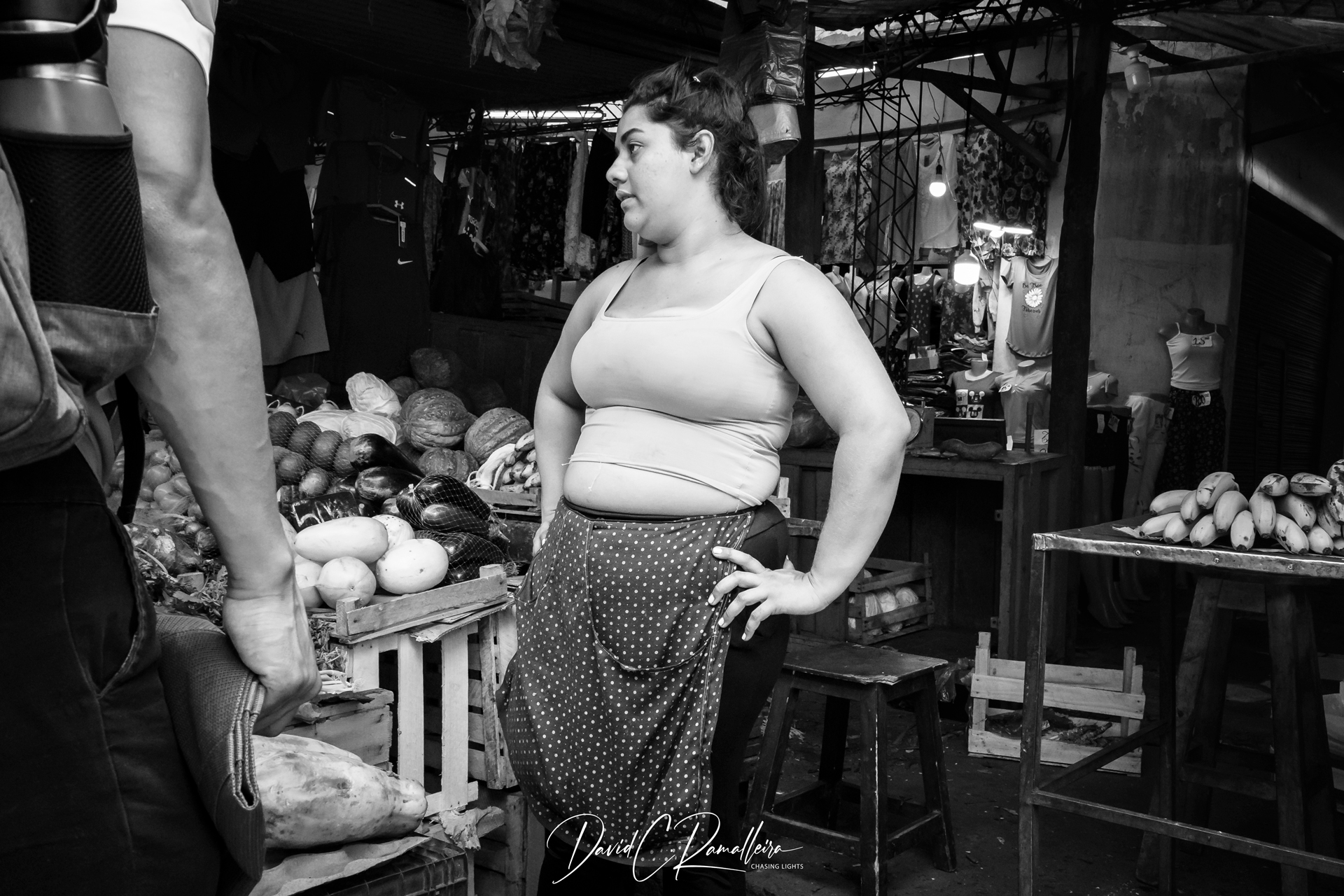
Market No. 4 in Luque is the kind of place where the city reveals itself without pretense. There are no curated paths, no explanatory signs, no attempt to impress visitors with spectacle. Instead, it’s a slice of life that has flowed the same way for decades, untouched by the gloss of tourism. This isn’t the kind of market you’ll find in guidebooks—it doesn’t aim to dazzle with size or exoticism. But that’s precisely why it feels so authentic, so deeply rooted in Paraguay’s everyday rhythm.
The market’s origins trace back to the mid-20th century, when Luque was evolving from a small settlement into one of the country’s key cities. Back then, markets weren’t just places to trade; they were the heart of community life, where deals were struck, news was shared, and connections were made. Market No. 4 emerged to meet the needs of a growing population, offering everything from fresh produce to tools without the hassle of traveling to Asunción. Over time, it became a fixture of the city, holding its ground even as supermarkets and shopping malls sprang up around it.
The architecture here is practical, not grand. There are no towering structures or ornate designs—just a maze of narrow aisles, makeshift stalls, and covered counters, every inch used efficiently. Inside, the space feels like a vast, organized warehouse, divided into sections: one for vegetables, another for meat, then spices, textiles, and household goods. From the outside, it’s unremarkable, but step inside, and the market’s energy hits you immediately. The air is thick with the scent of fresh herbs, sizzling meat, and strong coffee, mingling with the hum of voices—vendors calling out prices, shoppers haggling, friends catching up.
What makes Market No. 4 special isn’t the goods on offer, but the people. Farmers from nearby villages arrive with their harvests, artisans display handmade crafts, and locals come not just to shop but to chat with neighbors. Vendors know their regulars by name, and customers trust them like old friends. There’s a warmth here that’s hard to describe—even if you’re a stranger, within minutes, you start to feel like part of the crowd, swept up in the market’s lively, unfiltered pulse.
The food at Market No. 4 is a story of its own. This is where you’ll find the flavors Paraguayans actually eat: juicy mangoes, fragrant passionfruit, and pineapples so sweet they taste like sunshine. Then there’s manioc, the starchy root that’s a staple in local dishes. The meat is fresh, often butchered on the spot, and customers can pick their cuts while they’re still warm. Adventurous eaters might stumble upon dried insects or unusual spices, but most come for the simple, time-tested staples. Prices are lower than in stores, and the quality is better because reputation matters here.
Beyond commerce, Market No. 4 is a living piece of the city’s culture. You’ll hear Guaraní, the indigenous language still widely spoken in Paraguay, woven into conversations alongside Spanish. Vendors switch between the two effortlessly, especially when negotiating prices or sharing gossip. In this mix of languages, scents, and sounds, you sense the country’s layered history—its resilience, its diversity, its traditions that refuse to fade. Even if you don’t understand the words, the atmosphere speaks volumes.
Like many traditional markets, Market No. 4 faces pressure from modern retail. New shopping centers offer air-conditioned convenience, where you can buy everything without leaving your car. But this market isn’t going anywhere. It endures because it offers something those places can’t: a sense of belonging. There are no flashy signs or climate control here, just the raw, unfiltered rhythm of life that doesn’t bend to marketing trends.
Visiting Market No. 4 isn’t an excursion—it’s an immersion. There are no tourist traps, no pushy guides, no need to pretend you know more than you do. You can wander the aisles, sample local snacks, eavesdrop on conversations, and let the city’s pace wash over you. It’s a place for those who want to experience Paraguay not through a camera lens, but through the smells, sounds, and tastes that linger long after you leave.