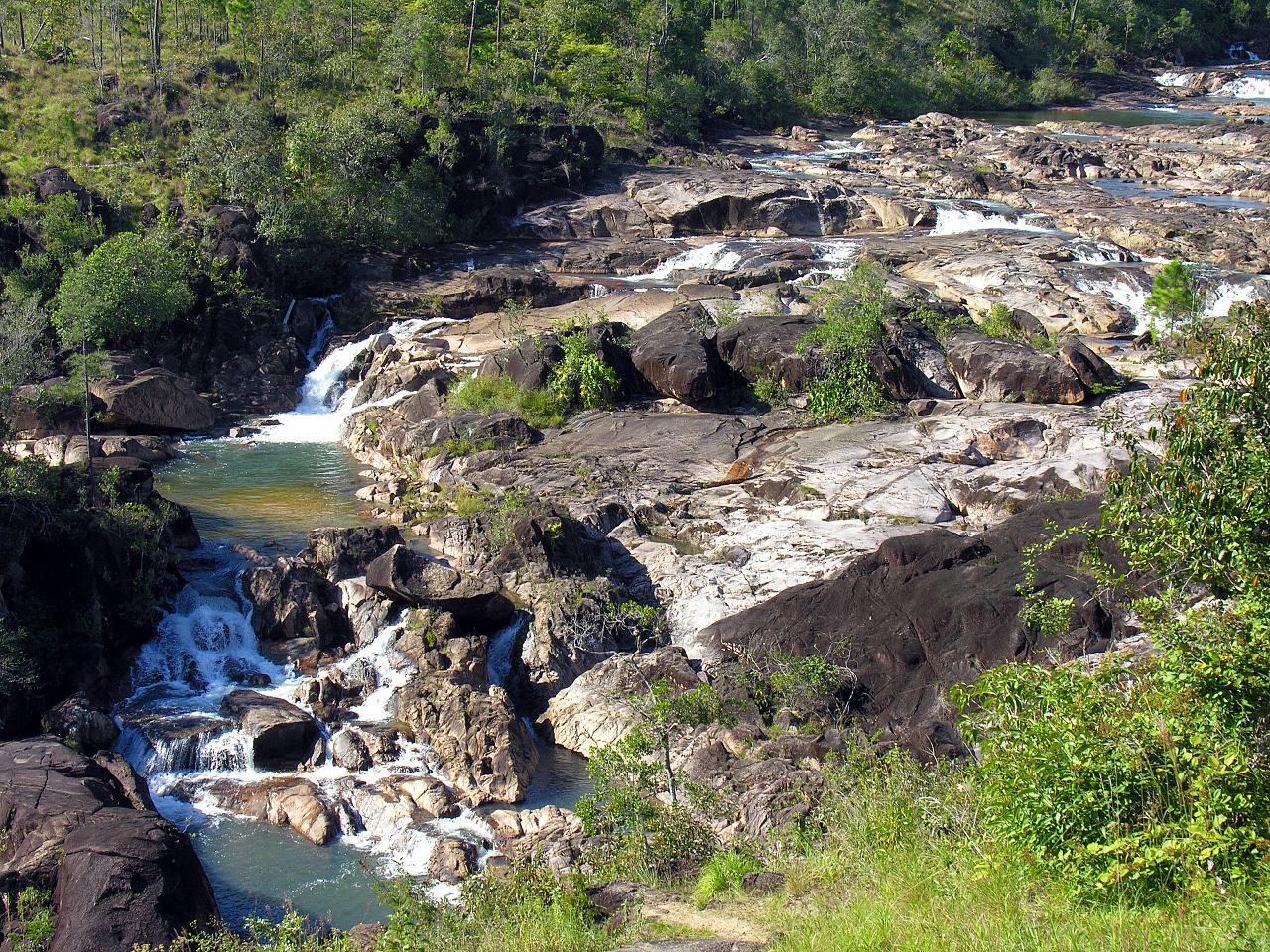
The Macal River winds through western Belize like a living vein, carrying life from the Maya Mountains down to the small towns and villages that dot its banks. Its journey begins high in the misty highlands, where rainwater gathers into streams that merge into a steady, meandering flow. By the time it reaches the area around San Ignacio Cayo, the river has shed its mountain swiftness, broadening into a gentle ribbon that curves around hills and slips through dense jungle. The locals call it simply the Macal, a name that fits as naturally as the sound of water over stones or the distant call of a toucan in the treetops.
For visitors, the river is more than just a body of water—it’s a way to experience Belize at its most unfiltered. Along its banks, the jungle grows thick, hiding the ruins of ancient Maya cities beneath layers of vines and time. The water reflects the overhanging trees, creating the illusion of an endless green tunnel. During the rainy season, the river swells, flooding low-lying areas, while in the dry months, its level drops, revealing sandy beaches where children play and travelers spread out picnics. The water stays warm year-round, though after heavy rains, the current picks up noticeably.
Long before modern settlements took root, the Macal was already shaping life in the region. For the Maya, it wasn’t just a water source but a vital trade route connecting the interior to the coast. Cacao, quetzal feathers, jade, and other prized goods moved along its waters, carried in canoes to distant markets. Archaeologists still uncover remnants of old docks and storage sites along the banks, though today, the river’s past is mostly visible in the way its bends have been worn smooth by centuries of flow. The occasional artifact might surface, but more often, the history lingers in the quiet persistence of the landscape itself.
San Ignacio Cayo, perched on the river’s edge, began as a small outpost in the early 1900s, settled by loggers and hunters drawn to the jungle’s abundance. As timber and goods started moving along the Macal, the town grew into a trading hub. Now, it serves as a gateway to Belize’s natural and historical wonders, with the river remaining its defining feature. The people here still rely on it—fishermen set out at dawn, farmers irrigate their fields, and children learn to swim in its warm shallows.
For travelers, the Macal offers a glimpse of Belize beyond the postcard images. There are no luxury resorts or crowded beaches, just the quiet rhythm of water and wildlife. Mornings often begin with mist rising from the surface, slowly burning off to reveal forested hills. By day, you can rent a canoe or kayak and paddle upstream, exploring hidden coves and secluded sandbars where few venture. Evenings bring bonfires on the shore, where locals share stories of jungle spirits said to wander the riverbanks after dark.
Those who stay for a while often find themselves caught in the river’s unhurried pace. Unlike tourist hotspots, where time is measured in excursions and itineraries, life along the Macal moves to its own beat. You might spend a day watching fishermen mend their nets or iguanas bask on sun-warmed rocks, or venture into the jungle where the river narrows and quickens, the air thick with the scent of damp earth and blooming flowers. In the rainy season, the water takes on a reddish hue from the clay washing down from the banks, turning the river into a living painting.
Despite its wild appearance, the Macal isn’t a place for thrill-seekers. There are no dangerous rapids or the crocodiles found in other Belizean rivers. The current is gentle, the banks mostly gradual, making it ideal for families. Local guides offer boat tours where you might spot birds, butterflies, or even deer coming to drink. For those wanting more adventure, multi-day treks along the river are possible, with overnight stays in simple camps or with welcoming locals who share meals and stories.
The Macal is more than just a scenic spot—it’s a thread woven through Belize’s culture and history. It connects the past to the present, a reminder of how essential water has always been to life here. Standing on its banks, you can feel part of something larger, a slow-moving current that hasn’t changed in centuries. Tourism is slowly arriving, but the river remains as it always has: quiet, majestic, and just a little mysterious, much like Belize itself.