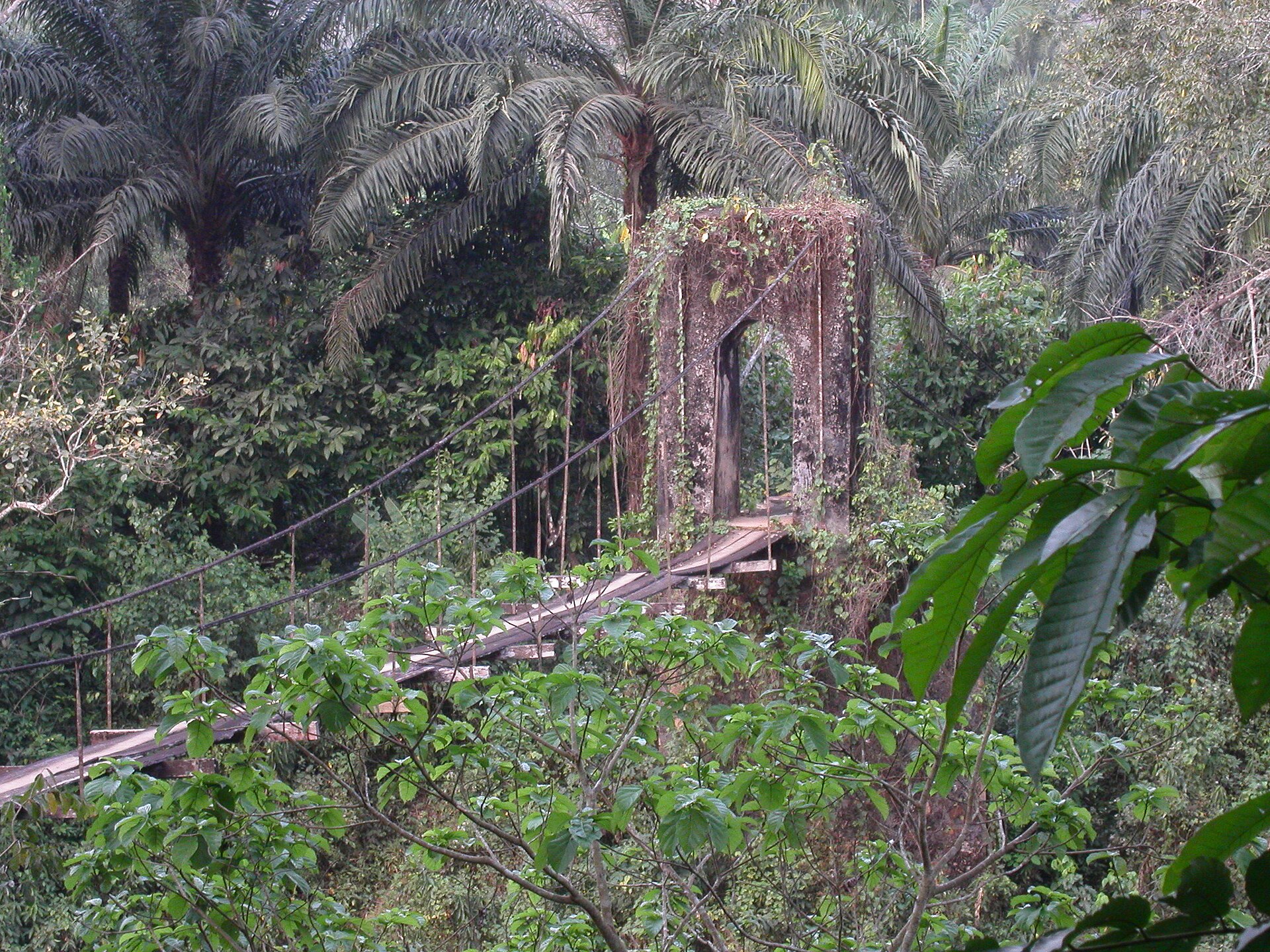
The Cross River winds its way through the southwestern reaches of Cameroon, cutting a path through dense rainforests and rolling hills before emptying into the Gulf of Guinea. Its journey begins in the highlands near the Nigerian border, where the water rushes narrow and swift between rocky banks. As it flows south, the river widens, its currents slowing into broad, glassy stretches near Mamfe. Here, the Cross is no longer the wild mountain stream of its upper reaches—its waters spread into quiet backwaters lined with papyrus and mangroves, where the only sounds are the calls of birds and the occasional splash of a fisherman’s paddle.
For centuries, the river has shaped life along its banks. Long before roads carved through the forest, the Cross served as a highway for the people who lived in its shadow, connecting remote villages to the coast. Traders, explorers, and later colonial missionaries relied on its waters to move deeper into the interior. Even now, wooden canoes glide along the river, carrying goods and passengers, though the steady creep of roads has made them less essential. When the rains come, the Cross swells, flooding the lowlands around Mamfe and turning the landscape into a vast, shimmering expanse. Fishermen navigate the shallows in their slender pirogues, while children wade into the warm water, their laughter mingling with the rustle of reeds.
There are no grand cathedrals or ancient fortresses along the Cross—nothing built by human hands to mark its passage. Instead, the river has sculpted its own monuments over millennia: cliffs of red clay rising sharply from the water, sandy banks where herons stand motionless, and quiet inlets where water lilies float like scattered coins. Villages dot the shoreline, their huts woven from mud and palm fronds, their rhythms dictated by the rise and fall of the water. Life here moves at the pace of the current, unhurried and unchanging.
To the people who live along its banks, the Cross is more than just a river. It is a marketplace, a thoroughfare, a place of work and rest. In the early mornings, women kneel at the water’s edge, scrubbing clothes against smooth stones, while men mend their nets in preparation for the day’s catch. Children dart along the shore, chasing minnows or splashing in the shallows. When the dry season arrives, the river shrinks, revealing sandbars where cattle graze and traders lay out their wares—no stalls, no signs, just the simple exchange of goods under the open sky. There are no souvenir shops or cafes, only the quiet persistence of life as it has always been.
The river is also the lifeblood of the region’s ecosystem. Its waters feed the surrounding swamps and forests, sustaining species that have adapted to its rhythms. Crocodiles lurk in the deeper pools, though they rarely venture close to human settlements. Above the water, kingfishers dive for fish, while egrets stand sentinel in the shallows. Along the banks, monkeys chatter in the trees, and the occasional otter slips into the water, leaving barely a ripple. When the rains return, the river carries rich sediment downstream, replenishing the soil and making the land fertile for crops. Farmers plant cassava, bananas, and corn along the banks, while fishermen cast their nets into the murky depths, pulling up tilapia and catfish to feed their families.
The mood of the Cross shifts with the seasons. During the rainy months, the river is a force to be reckoned with—its waters churning, its currents unpredictable. Boats rock violently in the swell, and the banks disappear behind curtains of rain. It’s a time when only the most experienced navigators dare to venture out. But when the dry season arrives, the river softens. The water clears, the current slows, and the sandbars emerge like islands in the sun. Fishermen return to their favorite spots, children build dams from stones and driftwood, and in the evenings, mist rises from the surface, blurring the line between water and sky. The river becomes a mirror, reflecting the colors of the sunset in its stillness.
Most travelers who pass through Mamfe don’t come specifically for the Cross. The river is usually just a stop along a longer journey through southwestern Cameroon—a place to pause rather than a destination in itself. But those who take the time to linger discover something rare: a place where time moves differently. There are no crowds, no itineraries, no pressure to see or do. You can sit on the bank for hours, watching the water slip past, listening to the chorus of frogs at dusk, or simply letting the quiet settle over you. The Cross doesn’t offer grand adventures or exotic thrills. What it provides instead is something far more enduring—a sense of stillness, of connection to a way of life that has remained unchanged for generations.
In a world that moves too fast, the Cross River reminds you what it means to slow down. It doesn’t ask for your attention; it simply exists, as it always has, carrying the stories of those who have lived along its banks. Whether you come to fish, to watch the birds, or just to sit and listen, the river offers a kind of quiet companionship. And perhaps that’s the real reason to visit—not for what you’ll see, but for what you’ll feel. The water keeps flowing, the seasons keep turning, and life along the Cross goes on, just as it always has.