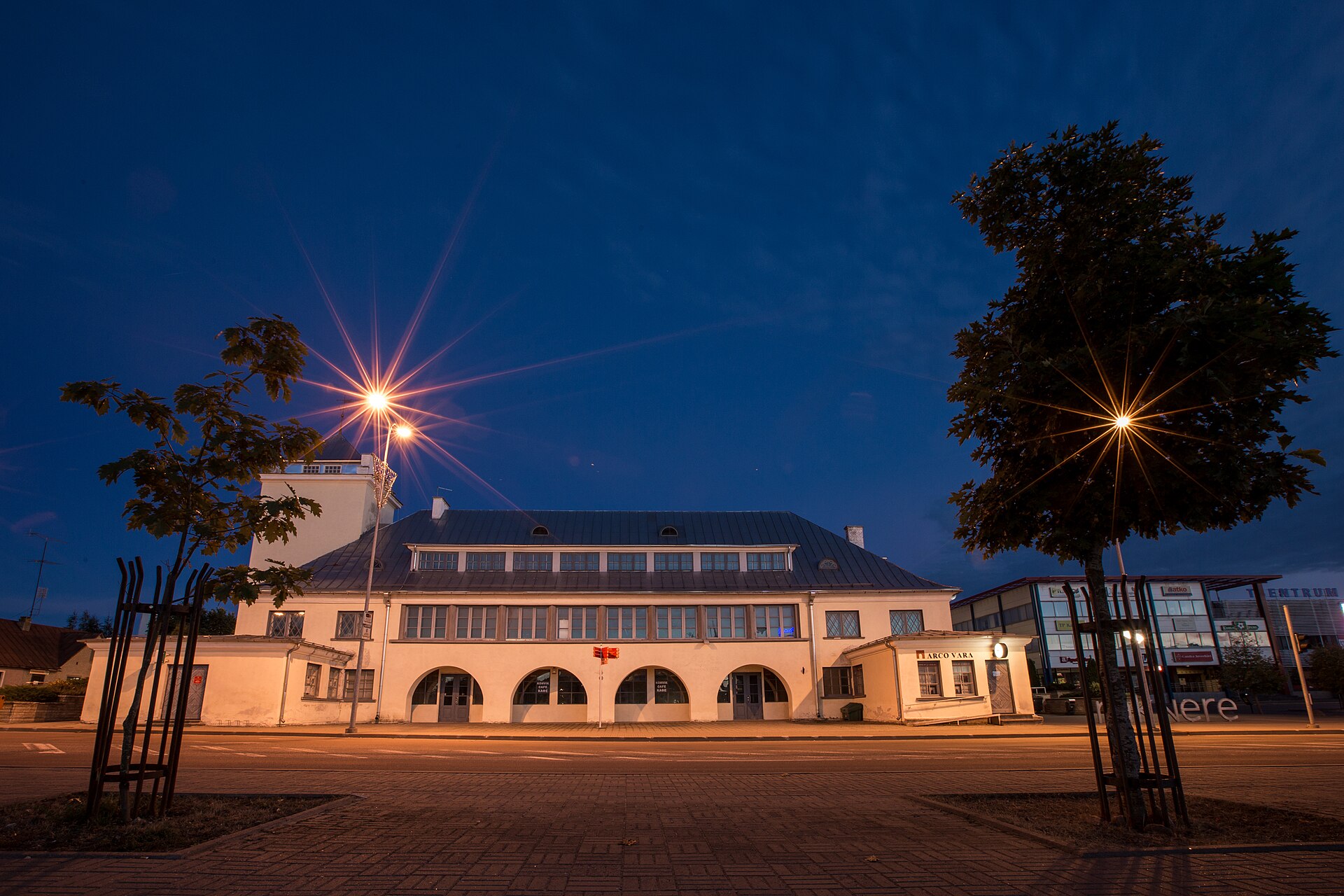
Rakvere’s market is the kind of place where the town shows its true colors. There’s no tourist gloss here, no staged authenticity—just the quiet rhythm of daily life. The air carries the scent of fresh bread, smoked meats, and just-picked berries, while conversations drift between Estonian and Russian. It’s been a fixture for decades, long enough to outgrow its role as just a place to shop and become something more: a small, living crossroads of local tastes, traditions, and stories.
The market building itself is unassuming but familiar. Low pavilions with wide aisles, bright awnings over the stalls, signs in two languages—everything feels practical yet welcoming. Inside, it’s airy and well-lit, never crowded even on rainy days. In summer, trade spills outside, turning the market into an open-air bazaar where you can find everything from just-harvested strawberries to hand-knit socks. The layout is simple, with no rigid sections, so browsing feels more like exploration than shopping.
What draws people here, above all, is the food. Local farmers and producers sell what they grow or make nearby: crisp vegetables, honey from Lääne-Viru County hives, smoked sausages from family farms, homemade cheeses, and bread baked in wood-fired ovens. Seasonal specialties are especially prized—young potatoes and radishes in spring, wild berries and mushrooms in summer, pumpkins and root vegetables in autumn. Many regulars know the vendors by name, stopping not just to buy but to chat, turning each visit into a small ritual.
Beyond food, the market offers a mix of handmade goods. Artisans sell wooden spoons, pottery, amber jewelry, and linen textiles. You might also stumble upon old books, vintage postcards, or even rare seeds for the garden. The lack of strict organization gives the market its charm—you never quite know what you’ll find next. It’s the kind of place where a routine errand can turn into a small adventure.
The market has always been more than just a place to trade. During Soviet times, it was a social hub where people exchanged news, gossip, and advice along with their purchases. That role hasn’t entirely faded. Mornings are the busiest, with retirees comparing prices, young parents picking out groceries, and the occasional tourist eyeing local delicacies. The conversations, the haggling, the shared jokes—it all feels like a slice of the town’s everyday life.
For a quick bite, the market’s small cafés and stalls serve simple, hearty food: hot pastries stuffed with cabbage or meat, pancakes with sweet or savory fillings, soups served in bread bowls. The coffee is strong, the tea often flavored with herbs or berries. There’s no fine dining here, just honest, filling meals that taste like they’ve been made the same way for generations. The seating is basic—just a few tables near the entrance—but the view of the market’s hustle and bustle makes up for it.
Economically, the market is a lifeline for the town. Many small farmers and producers rely on it as their main outlet, keeping money within the community rather than funneling it to big chains. In a place like Rakvere, where every business matters, that’s no small thing. Some families have been selling here for generations, passing down recipes, techniques, and customer relationships. The market doesn’t just support trade; it preserves a way of life.
In recent years, the market has seen some updates—new pavilions, better facilities—but its essence hasn’t changed. Quality still matters more than quantity, and honest prices trump fancy packaging. To outsiders, it might seem too ordinary, but that’s precisely its appeal. This is Estonia without the filter: not the postcard version, but the real, lived-in one.
If you find yourself in Rakvere, set aside half an hour to wander the market. You don’t have to buy anything—just walk the aisles, listen to the chatter, watch the people. Maybe you’ll leave with a bag of wild strawberries or a handmade wooden spoon, or maybe you’ll just leave with a sense of the town’s pulse. Because a market isn’t just a place to shop. It’s where a town breathes.