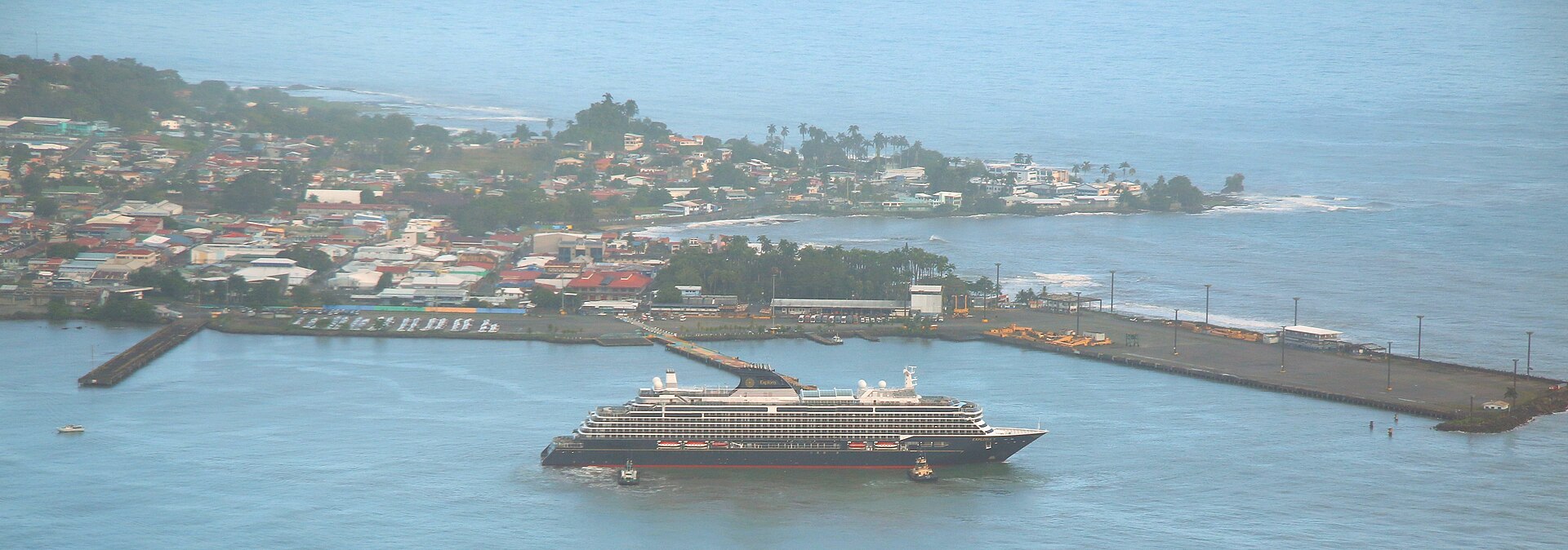
Limón is where Costa Rica’s Caribbean soul reveals itself differently than anywhere else in the country. There are no postcard-perfect beaches or polished resort towns here—just the raw energy of a working port city where African rhythms, Caribbean ease, and colonial echoes blend together. The streets are uneven, the air thick with the scent of spices and salt, and reggae drifts from open windows. Limón doesn’t try to be conventionally beautiful, but its rough edges and unapologetic character leave an impression.
The city’s story begins in the late 19th century, when Costa Rica built a major Caribbean port on what was then an empty coastline. Before that, the area was home to small indigenous communities and Afro-Costa Ricans, descendants of enslaved people brought to work on banana plantations. The railroad from San José to Limón changed everything, turning a sleepy settlement into the country’s gateway for coffee and banana exports. Immigrants arrived—Jamaican laborers, Chinese merchants, Italian traders—and shaped the city’s culture, language, and architecture.
Downtown Limón still holds remnants of its colonial past. Grand buildings with high ceilings and faded pastel facades once belonged to wealthy traders and shipping companies. Beside them stand wooden houses on stilts, painted in bold colors, their porches filled with neighbors chatting in the evening. The old customs house, one of the few structures to survive the 1991 earthquake, occasionally hosts exhibitions. Mostly, it stands as a reminder of the port’s past.
Limón remains a working port. Ships loaded with bananas and cacao dock here before their cargo heads to Europe and North America. The waterfront is lined with warehouses and docks where activity never stops—the air heavy with diesel, saltwater, and ripe fruit. Early mornings bring fishing boats back to shore, their catches sold fresh at the market. You can buy lobster, snapper, or crab straight from the fishermen. The port operates on its own rhythm, indifferent to tourists.
The city’s most famous event is its October carnival. For a week, the streets fill with dancers in costumes, calypso and reggae spill from every corner, and the scent of grilled meat and coconut hangs in the air. Unlike tourist-heavy festivals, Limón’s carnival is deeply local, blending Afro-Costa Rican traditions with Latin American influences. Everyone ends up swept up in the same joyful chaos.
For quiet moments, Vargas Park offers a small green space in the city center. The waterfront comes alive in the evenings when locals gather by the water. Nearby beaches are wild and undeveloped, better suited for adventurers than those seeking amenities. If you want to swim, head north to Tortuguero National Park.
Limón is a city of contrasts. Upscale neighborhoods sit blocks away from crowded homes where dockworkers and migrants live. Luxury cars share the road with bicycles piled high with goods. Spanish, English, and Creole mix in the streets, each language carrying its own history. It’s not a perfect place, but that’s what makes it real.
This isn’t the Costa Rica from travel brochures. There are no manicured gardens or museums with multilingual plaques. But if you look beyond the usual script, Limón offers something more interesting: a glimpse of the country as it is—loud, diverse, and alive. Wander the streets, stop in a local bar, listen to calypso, and try the food—spicy, coconut-rich, and Caribbean. Limón will show you why it matters to the people who call it home.