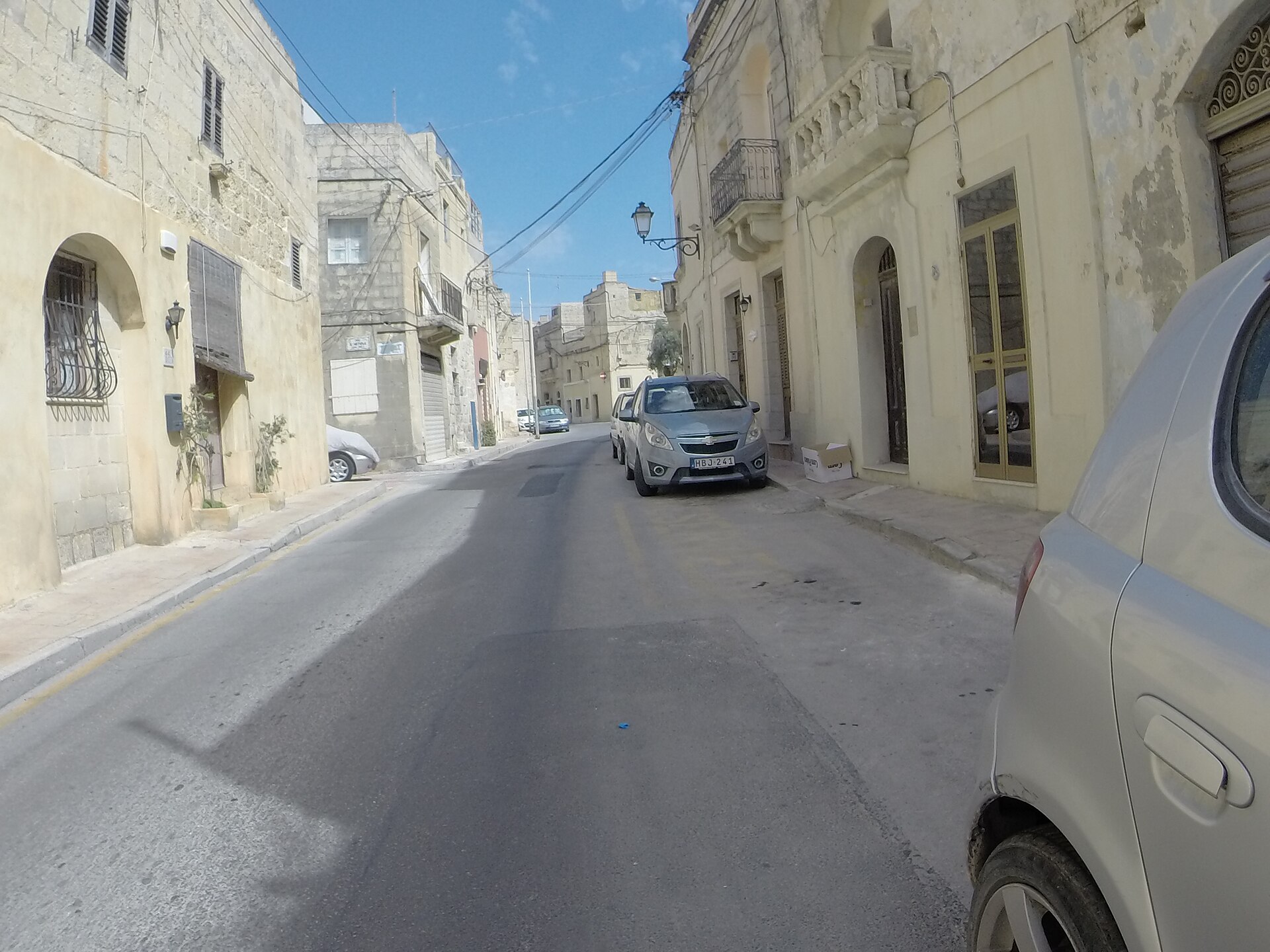
Saint John’s Square in Qrendi is one of those places where Malta’s history feels almost tangible. Tucked away in the heart of the old town, it’s surrounded by stone buildings that have stood since the days of the Hospitaller knights. Unlike the more tourist-heavy spots on the island, this square retains a quiet, almost village-like charm, even in the busier months. The pace here is unhurried, shaped by the rhythms of a small Maltese community where life moves at its own steady speed.
The architecture is unmistakably Maltese—low houses built from local limestone, their wooden balconies painted in faded but cheerful hues, narrow lanes winding off into the neighborhood, and the inevitable church presiding over it all. Saint John’s Church, which gives the square its name, isn’t the grandest on the island, but it sets the tone for the space. Its facade is simple and unadorned, in keeping with the austere style of 17th-century churches built when Malta was a Christian stronghold in the Mediterranean. There’s a quiet dignity to it, a sense of purpose that goes beyond mere decoration.
The square hasn’t always looked the way it does today. In the Middle Ages, this was the site of a bustling market where everything from fresh fish to imported fabrics changed hands. Later, as Qrendi grew into an administrative hub, the square became a gathering place for locals—disputes were settled here, justice was meted out, and decisions that shaped the town were made in the open air. Over time, the market moved elsewhere, and the square evolved into a place for leisurely strolls and casual meetings. These days, it’s rarely crowded, though in the evenings, you might still find residents sitting on benches, catching up on news or simply enjoying the cooler air.
What makes Saint John’s Square special is its refusal to be anything other than what it is. It’s not a grand civic space or a tourist attraction, but a living part of the town. There are no cafes with multilingual menus, no souvenir shops, no guides waving flags. Instead, you’ll find small family-run businesses—a shop selling homemade wine and olive oil, a bakery where the scent of fresh bread lingers in the air, an old bar where you can sip an espresso while watching the square come to life. It’s the kind of place where the details matter more than the spectacle.
Inside Saint John’s Church, while the interior isn’t lavish, there are a few noteworthy touches. The walls bear faded frescoes depicting scenes from the saint’s life, and the wooden altar, carved by local craftsmen, has a rustic charm. The bell tower is particularly interesting—one of the few in Malta that has retained its original form. Its chimes ring out over the town several times a day, a reminder that Qrendi isn’t just a relic of the past but a place where people still live, work, and go about their daily routines.
This square is one of the best places to experience the Malta that most visitors never see. There’s no need to rush or document every corner. Just take a seat on one of the benches, order a coffee from the nearby bar, and watch the world go by. Locals pass through in their own time—elderly men deep in conversation, children kicking a football around, women returning from the market with bags of fresh produce. In moments like these, it becomes clear why Malta has such a hold on those who visit. It’s not just the beauty of the place, but the sense that life here is still lived with intention.
If you find yourself in Qrendi, don’t just stick to the main streets. Turn onto Saint John’s Square and spend an hour or so there. You might come to realize that Malta isn’t just about beaches and ancient temples—it’s also about quiet corners where time moves differently. And if you’re lucky, you might hear the local choir rehearsing in the church as evening falls. The music blends with the sounds of the town, creating an atmosphere that’s hard to put into words but impossible to forget.