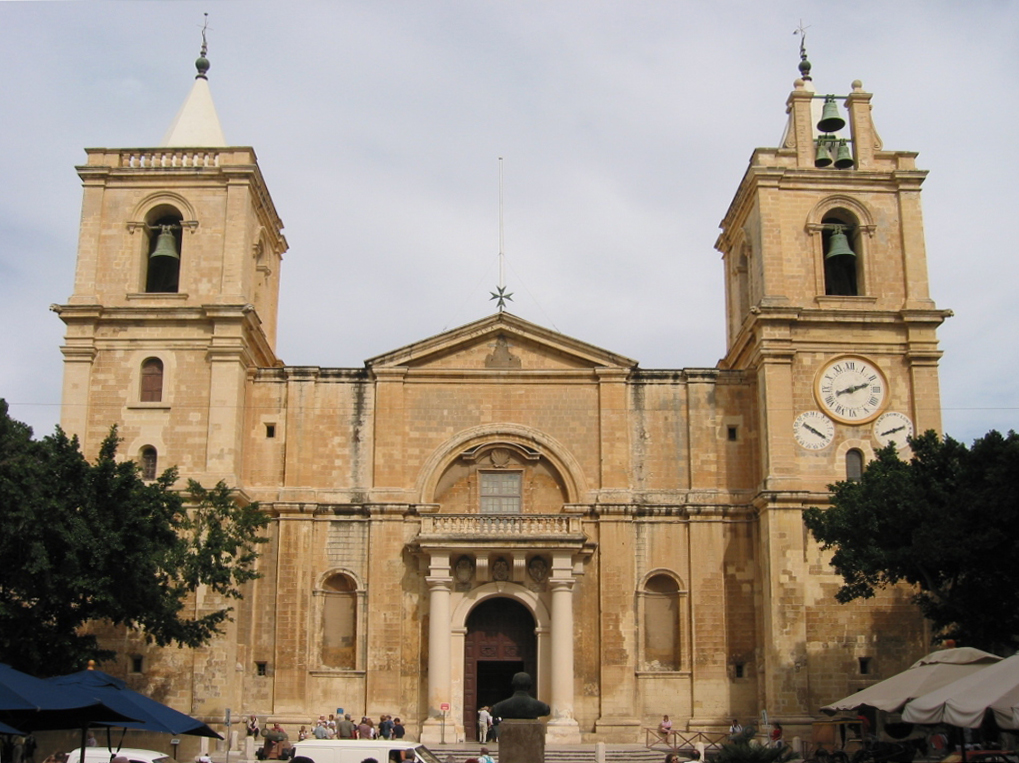
St. John’s Square in Senglea is one of those places where Malta’s history feels almost tangible. Tucked away in the heart of the old town, it’s surrounded by stone buildings that have stood for centuries, bearing silent witness to the lives of knights, merchants, and ordinary islanders. Unlike the bustling tourist hubs of Valletta, just a short walk away, this square has a quieter rhythm. Time moves slower here, and every cobblestone seems to carry a story of its own.
The architecture is classic Maltese, shaped by the Knights Hospitaller who once ruled the island. The low, sturdy houses with their thick wooden doors and shutters, painted in muted earth tones, give the square a sense of warmth and shelter. Some facades feature the traditional *gallariji*—carved wooden balconies that were once used to observe the street below without being seen. At the center of the square stands the modest Church of St. John, unassuming on the outside but rich in character within.
Built in the 17th century, when Senglea was still a separate village rather than part of the expanding capital, the church was the spiritual heart of the community. Many of its parishioners were fishermen or craftsmen, and the building reflects their simple, unpretentious lives. Inside, there are no grand frescoes or gilded altars like those in Valletta’s cathedrals. Instead, the space is intimate, with wooden pews, soft light filtering through stained glass, and an atmosphere of quiet devotion. It’s a place where you can sit undisturbed, imagining the generations of Maltese who have prayed under these same arches.
St. John’s Square hasn’t always been this peaceful. In the Middle Ages, it was a lively marketplace where fish, fabrics, and spices from the East were traded. When the Knights Hospitaller took control of Malta in the 16th century, Senglea became one of their key strongholds, and the square often hosted meetings and negotiations. Even after Valletta became the capital, the square remained a gathering place for locals. Today, it still serves that purpose—whether it’s neighbors catching up over coffee or old men playing *boċċi*, a traditional Maltese game similar to boules.
The square comes alive during religious festivals, particularly the feast of St. John in June. Malta is known for its vibrant celebrations, and Senglea is no exception. Houses are decorated with garlands, an altar is set up on the church steps, and in the evening, a torchlit procession winds through the streets, accompanied by singing and prayers. Even if you’re not religious, the sense of community and shared joy is infectious. Locals are happy to share stories about their traditions, passed down through generations, and often invite visitors to join in the feasting.
On ordinary days, the square has a slower, more familiar pace. In the mornings, elderly men gather to play *boċċi* or chat over newspapers. Children play in the shade of the trees, while women return from the market with baskets of fresh bread and vegetables. A small shop in one corner sells homemade wine and olive oil, and the owner—a kind-eyed Maltese man—might offer you a cup of strong coffee while recounting how the town has changed over the years.
Senglea isn’t a place you visit for grand landmarks or world-famous museums. There are no palaces here to dazzle the imagination. But that’s precisely why St. John’s Square feels so special. It offers a glimpse of Malta as the Maltese know it—unpolished, authentic, and deeply rooted in history. Wander the narrow streets leading to the square, and you might stumble upon hidden courtyards, old fountains, or workshops where artisans still craft traditional pottery. Every turn feels like a page from a history book, best read at a leisurely pace.
As the sun sets, the square is bathed in a golden glow. Lamplight casts long shadows across the cobblestones, and the air fills with the scent of jasmine and freshly baked bread. In one of the cafés, candles flicker, and you can order a glass of local wine, watching life unfold at its own unhurried pace. There’s no need to rush or document every moment. Sometimes, the most memorable experiences come not from grand cathedrals, but from ordinary places where time seems to stand still.