Shahbagh is where Dhaka’s energy slows into something deliberate—history and daily life meet here. Not grand like ruins or monuments, this space has become a symbol of change. It’s where Bangladesh keeps asserting itself. Tucked into the capital’s heart, where streets converge, Shahbagh is more than a transit point. It’s where politics, culture, and ordinary life collide.
The square’s story is tied to Bangladesh’s fight for independence. In 1971, during the Liberation War, this area became a rallying point against Pakistani forces. Protests filled the streets, voices demanding freedom echoed off nearby buildings, and the square became a platform for speeches. Even after independence, Shahbagh remained significant. It became a space for public expression—through demonstrations, celebrations, or casual gatherings. It’s still a monument to the nation’s struggles and aspirations.
Architecturally, Shahbagh doesn’t dominate the skyline. The surrounding buildings, mostly low-rise colonial structures, show their age: peeling plaster, wrought-iron balconies, and wooden shutters. Among them stands the University of Dhaka, one of the country’s oldest institutions. Its early 20th-century buildings give the square an academic feel. Bookshops, cafes, and stalls where students and professors linger reinforce this. Ideas are exchanged here as readily as gossip.
Shahbagh isn’t just a university quarter.
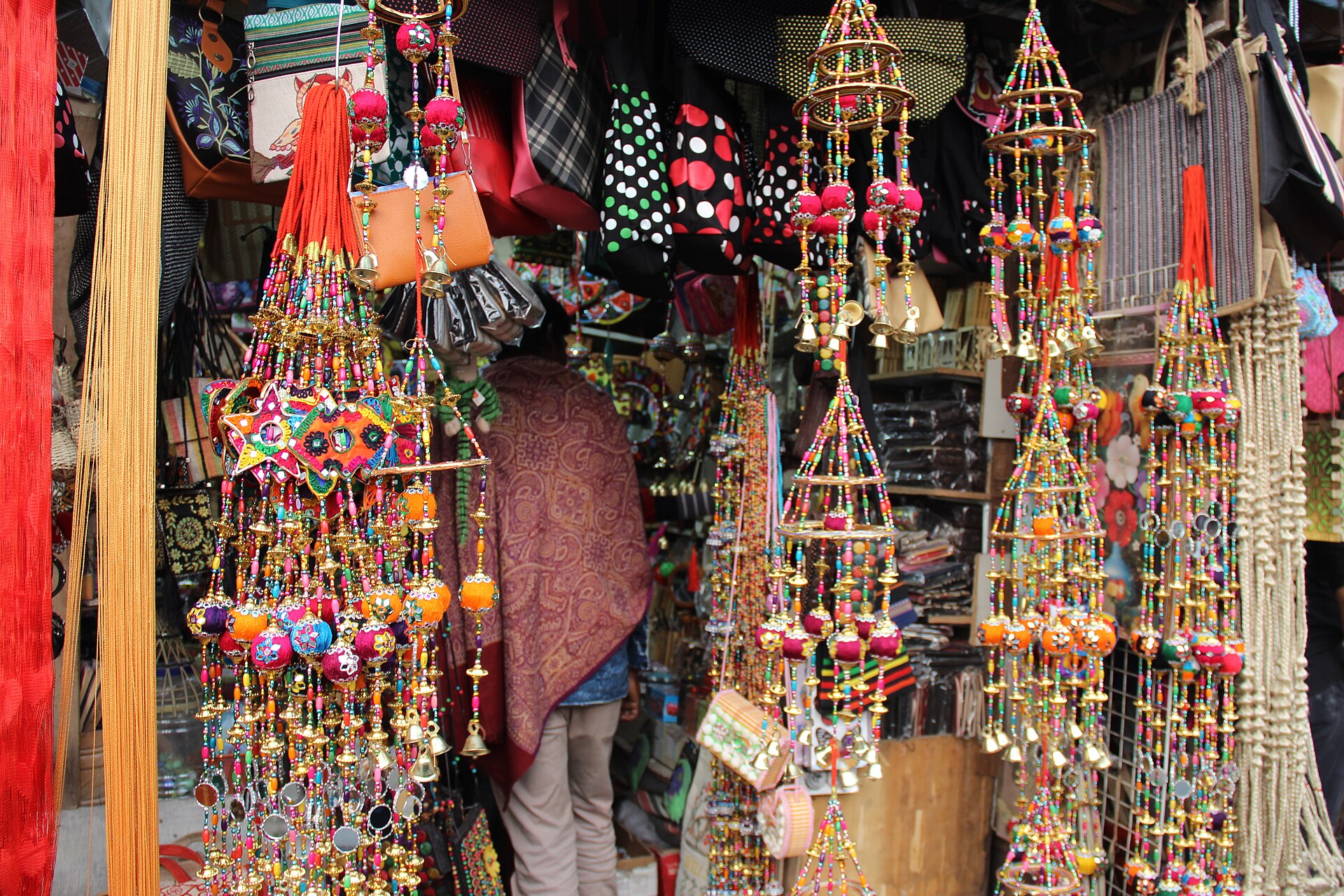
Mornings bring vendors with fresh fruit, spices, and sweets spread across sidewalks. By midday, students rush past, some pausing at tea stalls to debate or eat. Evenings hum with conversation—friends catching up, strangers debating, families enjoying the cooler air. On weekends, impromptu performances sometimes take over: music, poetry readings, or groups gathering to pass time. Shahbagh isn’t a place you visit for a reason. It’s where something is always happening.
Politics have always shaped the square’s identity. Bangladesh has a history of public movements, and Shahbagh has often been at their heart. In 2013, it became the center of protests demanding justice for 1971 war criminals, drawing thousands. Even on quieter days, activists hand out flyers or address small crowds. For many, Shahbagh represents the power of collective voice—dissent and dialogue are part of daily life here.
Despite its political weight, the square remains open. No rigid rules, no barriers. Children play under trees, elderly men watch the world from benches, and visitors navigate the chaos. The lack of polish is part of its charm. Shahbagh feels like real Dhaka—messy and alive. It doesn’t try to impress; it simply exists, reflecting the city’s contradictions.
First-time visitors might find it overwhelming. The noise, crowds, and unpredictability can feel like too much. But spend a few hours, and the rhythm starts to make sense. There are no guided tours or must-see attractions. Shahbagh isn’t a checkbox on an itinerary. It’s where you experience the city’s pulse. You might get lost in the crowd, talk to a stranger, or try a snack from a vendor. It’s where you don’t just observe life—you join it.
In recent years, Shahbagh has changed subtly. New cafes have opened, old buildings have been restored, and streets feel more orderly. But these shifts haven’t erased its character. The square hasn’t turned into a sanitized tourist spot. It’s still loud, still chaotic. And that’s what makes it special. Shahbagh is a microcosm of Bangladesh—its history, struggles, hopes, and the everyday moments that tie them together.