San Isidro de El General is the kind of town that doesn’t announce itself with grand monuments or tourist crowds, but rather with the quiet rhythm of daily life in Costa Rica’s southern Pacific region. At its heart lies the central square, a place that feels less like a formal plaza and more like the living room of the community. Here, the pace slows, conversations linger, and the scent of freshly brewed coffee mingles with the warm, humid air. It’s not a destination you’d find in glossy travel brochures, but that’s precisely what makes it worth a visit—it offers a glimpse into the unfiltered soul of the country, away from the well-trodden paths of Manuel Antonio or Monteverde.
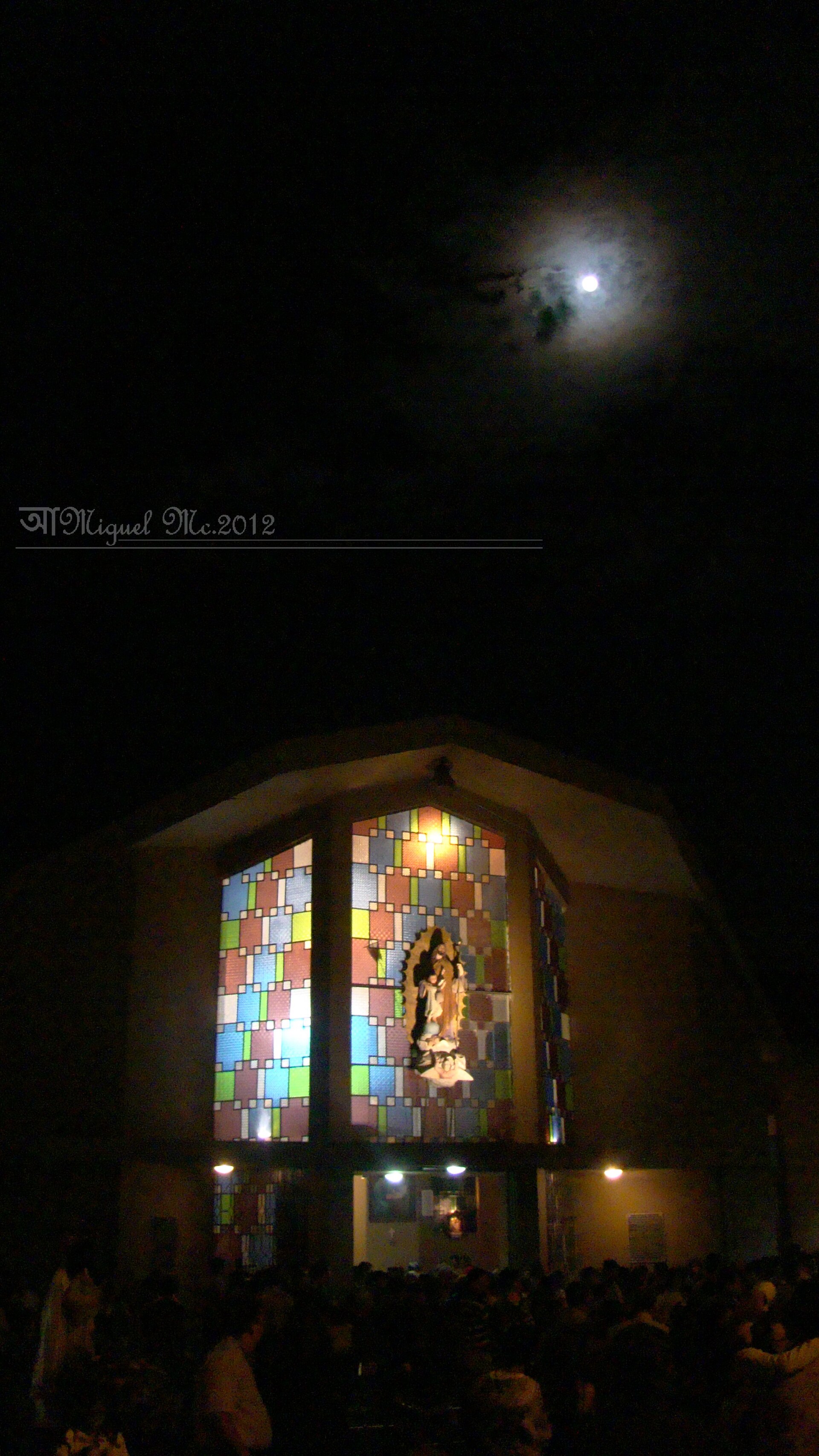
The square itself is modest, framed by low-rise buildings that wear the patina of time. The architecture is a mix of practical and unassuming, with pastel-colored facades and corrugated metal roofs that speak to the region’s agricultural roots. Many of the structures date back to the mid-20th century, when San Isidro was still a small farming town growing coffee, sugarcane, and later, pineapples. The most prominent building is the parish church, its whitewashed walls and simple bell tower standing as a quiet anchor for the square. Inside, the air is cool and dim, the wooden pews worn smooth by generations of worshippers. The church isn’t ornate, but its presence is felt in the way it gathers people—not just for services, but for festivals, markets, and the occasional impromptu gathering.
What gives the square its character isn’t the buildings, though, but the people who move through it. In the early mornings, farmers from the surrounding hills arrive with their produce, setting up stalls under the shade of almond trees. The market here is small but lively, with piles of ripe mangoes, avocados the size of a fist, and bunches of plantains that will later be fried into patacones. By midday, the square fills with students from the nearby schools, their laughter cutting through the hum of motorbikes and the occasional bark of a stray dog. Older men gather on benches to play dominoes, their games unfolding in slow motion, punctuated by sips of *agua dulce* or *café chorreado*. In the evenings, families stroll along the perimeter, children chasing each other while parents stop to chat with neighbors.
San Isidro’s square has always been a place of convergence. The town itself grew up around the old road that connected the Central Valley to the southern coast, a route that was once little more than a muddy track. In the 1940s and 50s, as Costa Rica’s economy shifted from subsistence farming to export crops, San Isidro became a hub for traders and laborers. The square was where deals were made, news was exchanged, and the rhythms of rural life met the demands of a changing country. Even today, you can sense that history in the way the town moves—less hurried than the capital, but not as sleepy as some of the smaller villages in the mountains. It’s a place that has grown without losing its sense of itself.
One of the square’s most enduring traditions is the *turno*, a weekly market that spills out from the central area into the surrounding streets. On these days, the square transforms into a sea of color and sound. Vendors sell everything from handmade tortillas to secondhand clothes, while food stalls offer *chicharrones*, *arroz con pollo*, and *casados*—plates piled high with rice, beans, salad, and your choice of meat. The air is thick with the smell of frying oil and grilled corn, and the chatter of bargaining blends with the music drifting from a nearby speaker. The *turno* isn’t just about commerce; it’s a social event, a chance for people to catch up, gossip, and reinforce the bonds that hold the community together.
Beyond the square, the town radiates outward in a grid of streets that climb gently into the hills. The landscape here is a mix of cultivated fields and patches of secondary forest, with the Talamanca Mountains looming in the distance. San Isidro sits in a valley that was once covered in dense rainforest, and while much of it has been cleared for agriculture, the wildness of the region still makes itself known. Howler monkeys can sometimes be heard at dawn, their calls echoing from the tree-lined rivers that cut through the outskirts of town. The climate is warmer and more humid than in the highlands, with a dry season that turns the hills golden and a rainy season that brings sudden, dramatic downpours.
For visitors, the square is less about ticking off sights and more about settling into the flow of local life. There are no guided tours here, no gift shops selling mass-produced souvenirs. Instead, the best way to experience it is to find a seat on one of the benches, order a *batido* from a nearby *soda*, and watch the day unfold. In the late afternoon, when the heat begins to ease, the square takes on a softer light. The shadows lengthen, and the air fills with the sound of cicadas. If you’re lucky, you might catch a pickup game of soccer in the open space near the church, or hear the strum of a guitar from someone sitting on the steps.
San Isidro de El General isn’t a place that tries to impress. It doesn’t need to. The square, with its unpretentious charm and steady pulse of activity, is a reminder that the most authentic experiences often lie in the spaces between the well-known landmarks. Here, the heart of Costa Rica beats not in the grandeur of its national parks or the postcard-perfect beaches, but in the quiet, everyday moments of a town that has found its own way of being. Whether you’re passing through on your way to the coast or spending a few days exploring the surrounding hills, the square offers a pause—a chance to step off the tourist trail and into the rhythm of real life.