In the heart of Sofia, where the city’s layers of history unfold like the pages of a well-worn book, Independence Square—often called the Square of the National Assembly—serves as a quiet witness to Bulgaria’s journey through time. It’s not the kind of place that demands attention with towering monuments or flashy fountains, but rather one that invites you to pause and notice the details: the way the light falls on the cobblestones at dusk, the murmur of conversations drifting from nearby cafés, or the faint echo of footsteps on the pavement that has been trodden by generations. Here, the past and present coexist without fanfare, offering a space where the weight of history feels tangible, yet unobtrusive.
The square’s origins trace back to the late 19th century, a period when Sofia was transforming from a provincial Ottoman town into the capital of a newly independent Bulgaria. The country had just shaken off nearly five centuries of Ottoman rule, and the city was eager to assert its new identity. The area around what would become Independence Square was chosen as the site for key government buildings, symbolizing the nation’s aspirations. The National Assembly, the seat of Bulgaria’s parliament, was completed in 1886, its neoclassical façade designed by the Austrian architect Konstantin Jovanović. The building’s restrained elegance—columns, pediments, and a sense of symmetry—reflected the ideals of the time: order, progress, and a break from the past. Over the decades, the square evolved alongside the country, bearing silent witness to political upheavals, celebrations, and moments of quiet resilience.
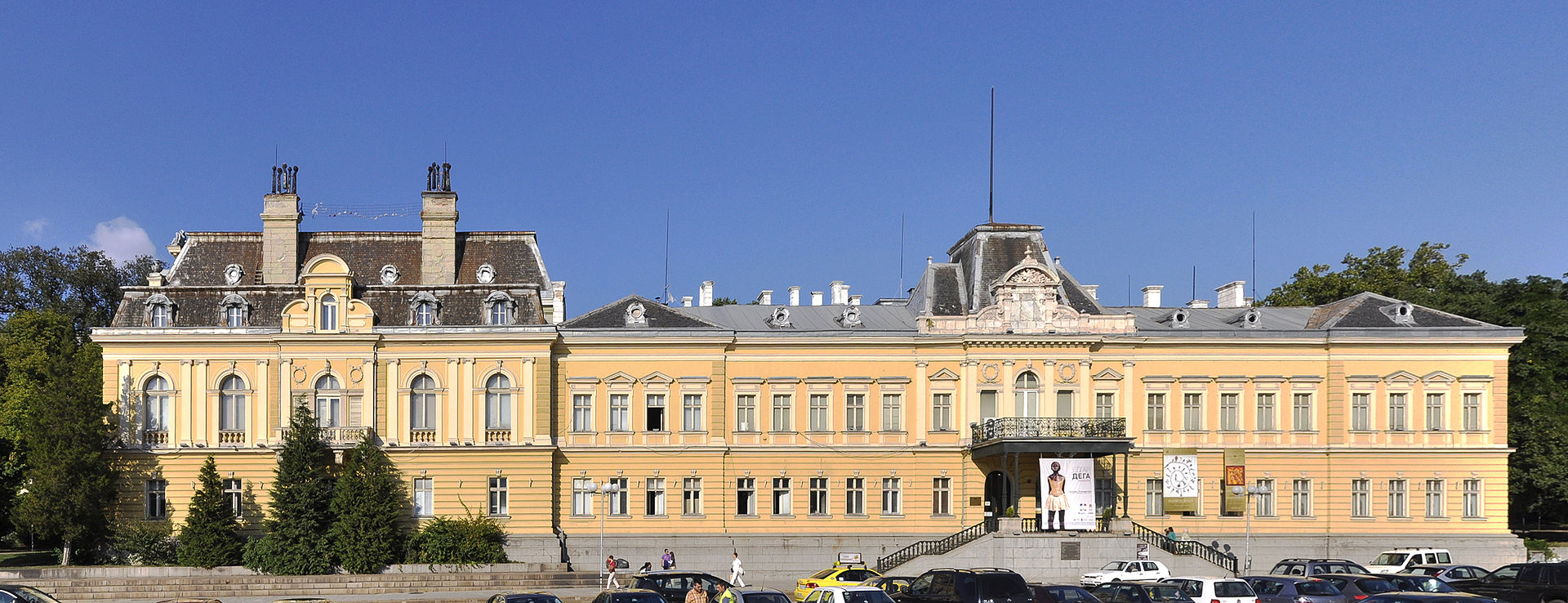
Standing in the square today, it’s easy to overlook the subtle shifts in architecture that hint at Sofia’s complex history. The National Assembly building, with its pale yellow exterior and green copper roof, dominates the northern side, its presence both imposing and understated. Nearby, the former Royal Palace, now housing the National Art Gallery, adds another layer to the narrative. Built in the late 19th century for Prince Alexander of Battenberg, the palace was later expanded by King Ferdinand I, who sought to give Sofia the grandeur befitting a European capital. The result is a blend of styles—Baroque, Renaissance, and even hints of Bulgarian Revival—each era leaving its mark without erasing what came before. The square itself is a study in contrasts: the formal lines of the government buildings softened by the organic shapes of trees and the occasional street musician tuning a guitar.
What makes Independence Square more than just a collection of buildings is the way it functions as a living space. Unlike some grand plazas that feel like open-air museums, this one is woven into the fabric of daily life. Students cut through on their way to lectures, office workers grab coffee from the kiosks that dot the edges, and elderly couples sit on benches, watching the world go by. In the warmer months, the square becomes a stage for impromptu gatherings—protests, festivals, or simply groups of friends sprawled on the grass with bottles of cheap wine. The atmosphere is unpretentious, even a little rough around the edges, which only adds to its charm. There’s no sense of performance here; it’s just a place where people come to be, whether for a moment or an hour.
The square’s role in Bulgaria’s political life has been both central and contentious. It has been the starting point for marches, the backdrop for speeches, and the site of clashes that have shaped the country’s modern identity. During the communist era, it was here that parades glorifying the regime would pass, with crowds waving flags and chanting slogans. Later, in the 1990s, it became a gathering place for those demanding change, its cobblestones echoing with the footsteps of protesters calling for democracy. Even today, the square remains a barometer of public sentiment, a place where people come to voice their frustrations or celebrate their victories. Yet, despite its political significance, it doesn’t feel like a place of division. Instead, it absorbs the energy of the city, reflecting its moods without being defined by any single moment.
One of the square’s most enduring qualities is its ability to surprise. On any given day, you might stumble upon a small market selling handmade crafts, or a group of dancers practicing traditional Bulgarian folk steps. In winter, the trees are strung with lights, casting a warm glow over the snow-dusted pavement, while in summer, the air hums with the sound of cicadas and the occasional accordion. The square is also a gateway to some of Sofia’s other landmarks. Just a short walk away lies the Alexander Nevsky Cathedral, its golden domes shimmering in the sunlight, while the ancient ruins of Serdica—remnants of the Roman city that once stood here—lie partially unearthed beneath the modern streets. The contrast between these layers of history is striking, yet they coexist seamlessly, as if each era has simply settled into its own rhythm.
For all its historical weight, Independence Square doesn’t feel like a place that expects reverence. It’s too lived-in for that. Instead, it offers something more valuable: a sense of continuity. Here, the past isn’t preserved behind glass or roped off for tourists; it’s part of the everyday. The same cobblestones that bore the footsteps of revolutionaries now support the weight of a child on a scooter. The same buildings that once housed kings and politicians now shelter cafés where people argue over politics or gossip about their neighbors. It’s this blend of the monumental and the mundane that makes the square feel authentic. It doesn’t try to impress; it simply is.
If you visit, don’t rush. Take a seat on one of the benches and watch the way the light changes as the day wears on. Notice how the shadows lengthen across the façade of the National Assembly, or how the sound of church bells from nearby St. Nedelya mingles with the hum of traffic. There’s no grand revelation waiting here, no single moment that will define your experience. Instead, it’s the accumulation of small details—the scent of freshly baked banitsa from a nearby bakery, the laughter of a group of teenagers, the way the wind rustles the leaves of the plane trees—that will stay with you. Independence Square is, above all, a place of quiet resilience, a reminder that history isn’t just something that happens in books. It’s something that happens here, every day, in the spaces between the buildings and the people who move through them.