Independence Square in Buje is one of those places where the pulse of the city meets the weight of history. Tucked in the heart of Gabon’s capital, it may not be grand in size, but it carries a quiet significance that lingers in the air. This isn’t just an empty space between buildings—it’s a spot where the country’s past and present intersect, even if only in subtle ways. Today, the square remains a natural gathering point, a place where people pause between errands, meet friends, or simply take a moment under the shade of the trees that dot the area.
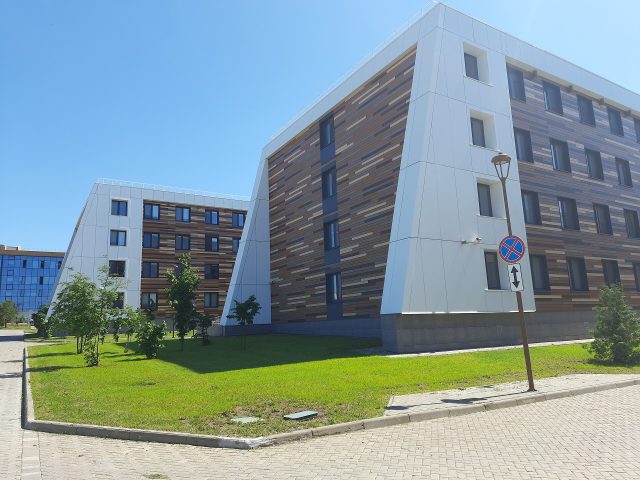
The architecture surrounding the square is unassuming, and that’s part of its charm. Low-rise buildings with faded pastel facades, some showing signs of age, give the place a lived-in feel. There are no towering skyscrapers or monumental structures here, just a sense of authenticity—like the city isn’t trying to impress anyone, but simply exists as it always has. In the center, you might find temporary stalls or a small stage set up for events, but on most days, the square is understated: a few benches, paved walkways, and a modest fountain that works when it feels like it.
The square’s history is tied to Gabon’s independence in 1960, a time of upheaval and hope. Back then, Buje wasn’t yet the capital—that status came much later, in 2017, when the government moved the administrative center from Libreville. But even in those early days, Independence Square was a symbolic space. It hosted rallies, political speeches, and the first celebrations of a new nation. Now, the echoes of that era are faint, preserved mostly in old photographs and the memories of those who were there. The name itself, though, keeps the connection alive.
For locals, the square is woven into daily life. In the mornings, women sell fresh fruit and vegetables from makeshift stalls, their voices blending with the hum of the city. By afternoon, schoolchildren rush past on their way to or from classes. Evenings bring a different energy: teenagers gather by the fountain, chatting, while older men play checkers on handmade boards. On weekends, families arrive with children in tow, filling the air with laughter, music from portable speakers, and the smoky scent of grilled meat cooking on open fires.
Despite its modest appearance, the square plays a role in Buje’s cultural life. Small concerts, local art exhibitions, and craft fairs often take place here, turning the space into a temporary hub of activity. Sometimes, musicians perform traditional Gabonese music on a makeshift stage, and for a little while, the square feels like a miniature festival. These moments draw people from all walks of life—government workers, street vendors, students—creating a rare sense of community.
Around the square, a handful of cafés and small eateries offer simple meals and a place to rest. The food is straightforward: grilled fish with cassava, plantains, spicy sauces, and the ever-present local beer. The places aren’t fancy, but they capture the rhythm of the city. By evening, some of these spots turn into informal bars where friends gather to talk, share news, or just pass the time. There’s no pretension here, just the easy flow of everyday life.
Independence Square isn’t the kind of place that draws crowds of tourists. There are no grand monuments or luxury hotels nearby, and that’s precisely what makes it worth visiting. It’s a space where you can see Gabon as it really is—not as a postcard image, but as a living, breathing place with its own pace and character. Walking through the square, it’s easy to imagine how Buje has changed over the decades, from a small town to a capital, all while keeping its laid-back, welcoming spirit.
In recent years, new buildings have started to appear around the square, but so far, they haven’t disrupted its quiet character. The city maintains the area without over-polishing it—there’s no attempt to turn it into a museum piece. That might be why it still feels so alive. Independence Square isn’t just a landmark; it’s a reflection of Buje itself—unassuming, but full of life in ways that are hard to define.