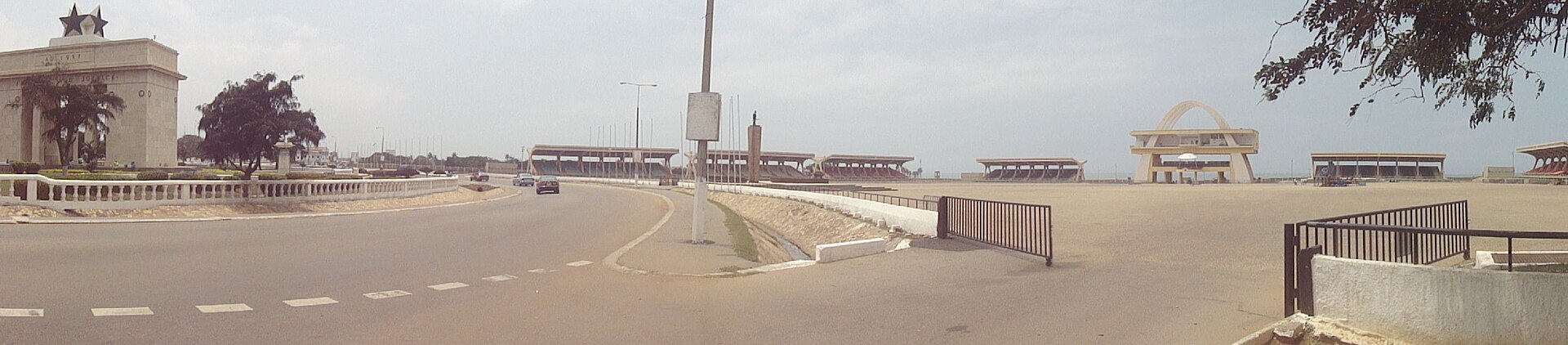
Independence Square is where the past and present of Barbados meet. It doesn’t shout for attention with grand monuments or statues. Instead, it asks you to slow down. Notice the sunlight through the almond trees. Listen to locals on benches or a street musician tuning a guitar in the shade. The square sits near the Careenage, the historic basin where ships once unloaded goods. Its spot in the city’s heart makes it a natural gathering place—morning strolls, evening pauses, or a stop before a rum shop.
The square’s history is tied to Bridgetown’s story. Once called Trafalgar Square, it was renamed in 1999 to mark the island’s 1966 independence from Britain. The change wasn’t just symbolic. It reflected how Barbadians saw their place in the world. The square had been a site of public life—colonial proclamations, political rallies. Its renaming was a quiet claim of identity. Some still call it by its old name, a sign of how history layers here.
At the center stands a statue of Errol Barrow, Barbados’ first prime minister. He led the country from colony to nation. The statue shows him mid-stride, as if walking toward the future. His legacy remains alive, especially on Independence Day in November. Around the base, visitors leave flowers or small tokens. It’s personal for many Barbadians.
The architecture around the square mixes old and new. The most striking building is the Old Public Library, a coral-stone structure with a red-tiled roof from the 19th century. It feels timeless, its weathered facade holding stories of generations of readers. Nearby, modern financial buildings rise, a reminder that Bridgetown is still a working city. The square itself is paved with stone, lined with benches. Sit and watch the city move.
The square’s connection to water is subtle. The Careenage is a short walk away. On weekends, small boats bob in the basin. Fishermen mend nets. No waterfront promenade exists, but the harbor’s proximity gives the square a maritime feel. The breeze carries salt and gulls. Imagine this area in Bridgetown’s port days—merchants haggling over sugar and rum, sailors swapping stories.
Barbadians gather here for events that matter. During Crop Over, the festival marking the end of the sugar cane harvest, the square hosts performances. On quieter days, it’s where friends meet for lunch, office workers take breaks, or families let kids run. No grand stage is needed. The square adapts—political speeches, cultural performances, teenagers practicing dance moves.
What makes the square feel alive is how it fits into Bridgetown’s daily rhythm. It’s not a tourist attraction, though visitors pass through on their way to the Careenage or Parliament Buildings. It’s where the city’s pulse is clear—the hum of conversation, dominoes being shuffled, laughter from schoolchildren. The almond trees offer shade. Their fallen leaves crunch underfoot. The space is well-used, well-loved.
Spend time here, and you’ll notice small details. The light in late afternoon, casting long shadows. The old man selling coconut water, his knife flashing as he splits husks. Stray cats napping in the sun. These moments aren’t grand, but they make the square feel alive, not just a monument.
For those who linger, the square shows what makes Barbados tick. History isn’t just in stone here—it’s lived in the everyday. The past is acknowledged but not dwelled on. The future is met with quiet confidence. Whether you stay for minutes or hours, Independence Square makes you feel part of something real, something still unfolding.