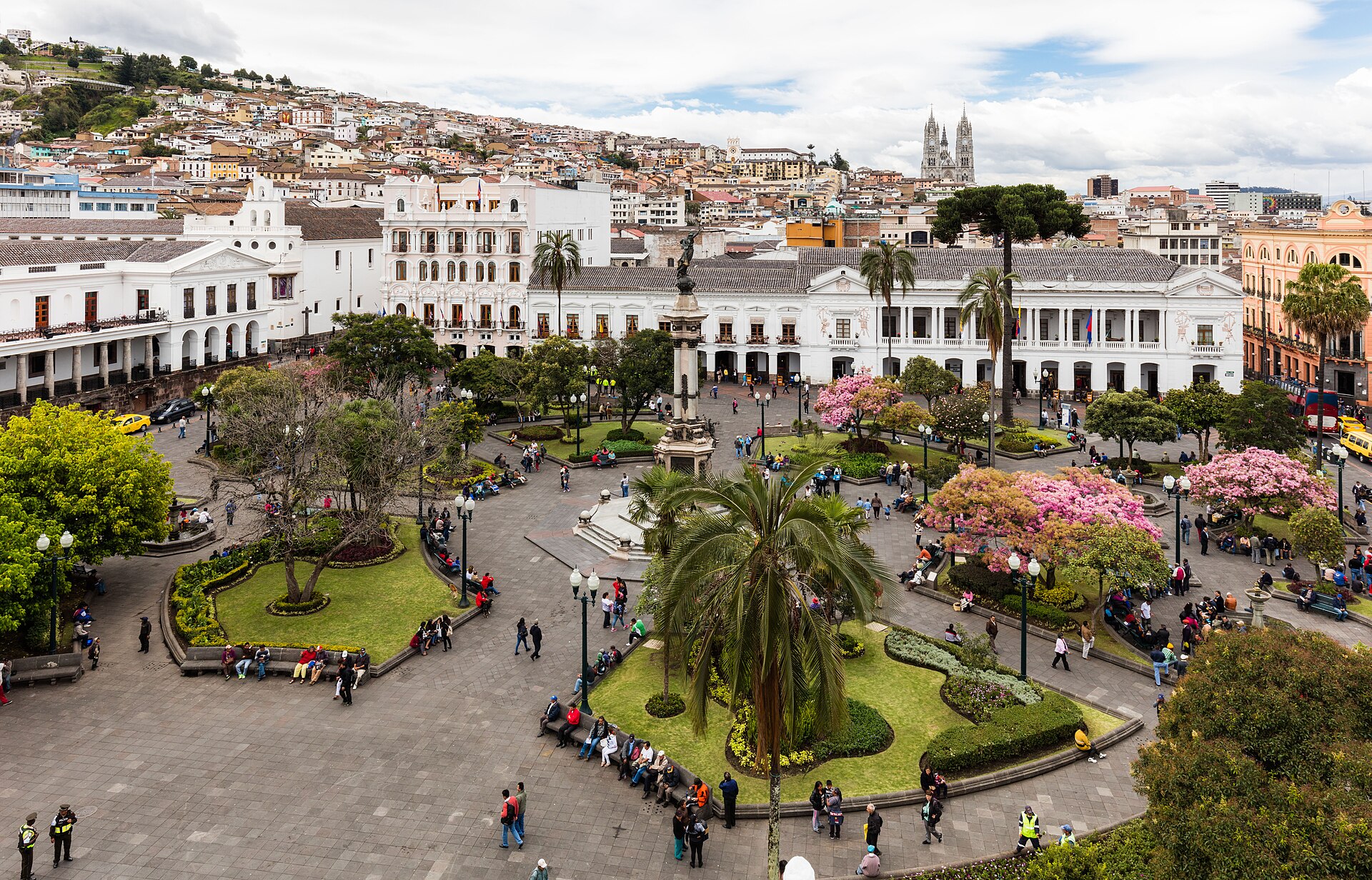
Independence Square in Boké is one of those places where the city reveals itself slowly, without fanfare or the usual tourist trappings. There are no grand landmarks or intrusive signs here, which is precisely why the square feels alive rather than like a museum exhibit. It sits at the heart of the city, where the main streets converge, and where locals have long gathered to meet, relax, or simply watch life unfold at its own unhurried pace.
The square’s history is tied to Guinea’s independence in 1958, a time when Boké, like much of the country, was undergoing profound change. The colonial era was fading, and in its place came a new chapter filled with hope. Independence Square became a symbol of that transition—not in a ceremonial way, but in the quiet, everyday sense of renewal. There were no grand monuments erected here, yet the space itself became a place where people could feel part of something larger than themselves.
The architecture surrounding the square is simple and practical, reflecting a city that has always valued hard work and daily life over ostentatious displays. Low two-story buildings with verandas, painted in light colors, create a welcoming atmosphere. Some facades bear the marks of time—cracks, peeling paint, the stains of frequent rain—adding a layer of authenticity. Nothing here is polished or perfect, and that’s what makes it feel real.
At the center of the square, a few trees offer shade from the midday heat. Under them, elderly men often gather to play checkers or dominoes, or simply sit in silence, watching the world go by. In the summer, the shade provides relief from the sun, and locals sometimes bring chairs or mats to linger a while. Children run around, kicking up dust in the breeze, turning the square into something like an open-air living room.
As evening falls, the atmosphere shifts. When the day’s heat subsides, the square comes alive with voices, laughter, and the occasional strains of music drifting from nearby cafes. Street vendors lay out their goods on the ground—fresh fruit, nuts, homemade sweets. You can buy a slice of pineapple or a paper cone of roasted peanuts, their scents mingling with the smoky aroma of grilled meat and the faint dust kicked up by passersby.
Independence Square isn’t a place you visit for guided tours or Instagram photos. It operates on its own rhythm, and to understand it, you have to spend time here. Sit on a bench, listen to the conversations, watch how the light changes throughout the day. In the morning, the sun rises over the rooftops, casting a golden glow, while by evening, the shadows stretch long and the air cools.
For Boké’s residents, the square is woven into the fabric of daily life—unremarkable in the best sense, like breathing. It’s where people arrange to meet, catch up on news, or simply pass the time. Occasionally, small events take place here: local musicians perform, street artists put on shows, or gatherings mark city occasions. But even then, the square retains its everyday feel, a place where everyone can feel at home.
Around the square, small shops, cafes, and workshops sell the essentials of daily life—fabric, tools, household goods, food. The owners know their regulars, and conversations often drift into personal stories or the latest news. There’s no rush here, no urgency of big-city life. People move at their own pace, and the square reflects that unhurried rhythm.
Independence Square is as much about Boké’s present as its past. It serves as a reminder that independence isn’t just a date in a history book but something lived every day—through small joys, quiet struggles, and the steady pulse of ordinary life. There are no grand monuments or elaborate ceremonies here, but there is something money can’t buy: a sense of belonging, quiet dignity, and the unshakable feeling that life goes on, no matter what.