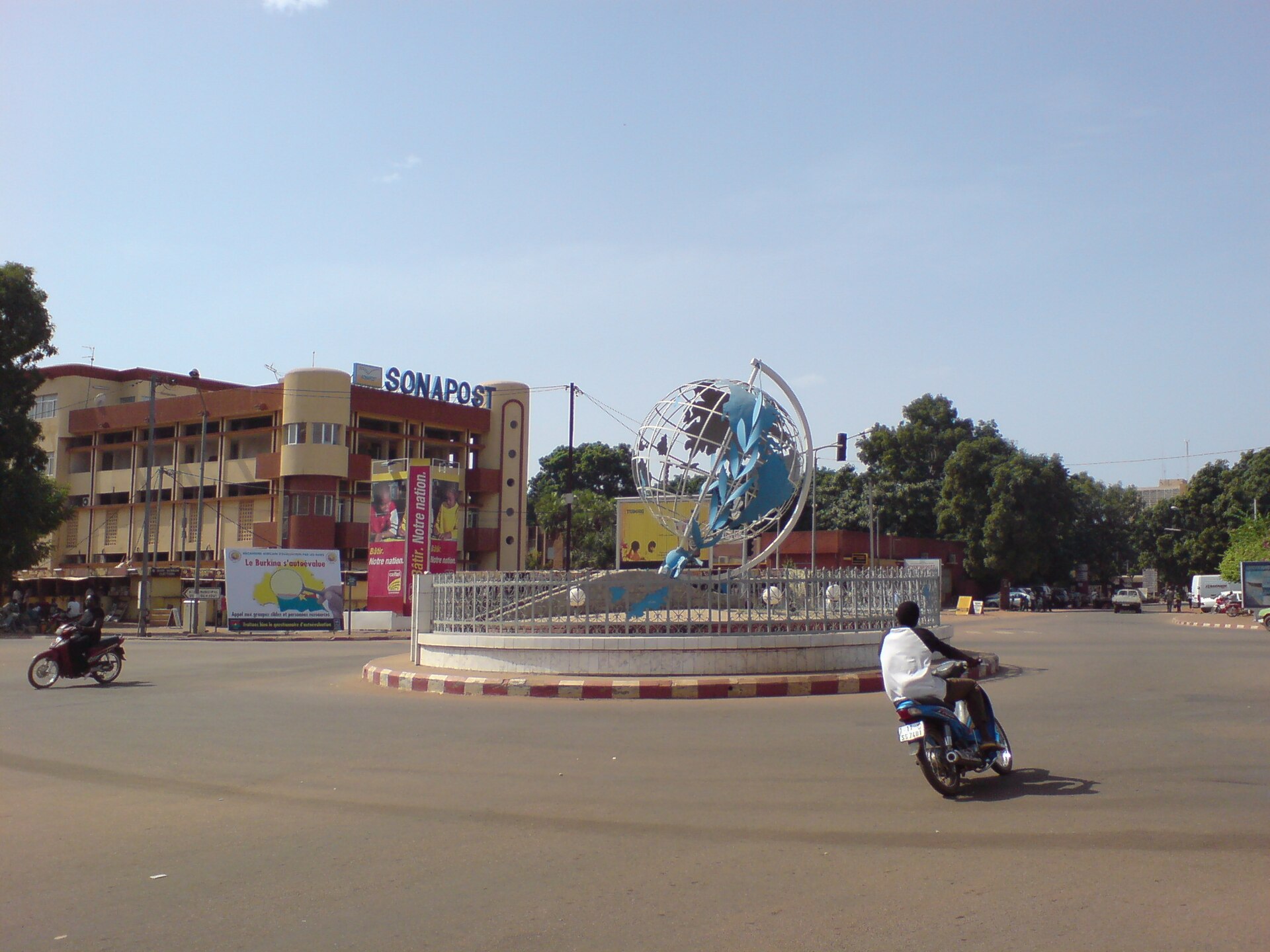
Nation Square in Ouagadougou isn’t just the geographical heart of Burkina Faso’s capital—it’s where the country’s past, politics, and daily rhythms intersect. On any given day, you might find government officials arriving for ceremonies, groups of students debating under the shade of trees, or families strolling along the wide pathways. The square doesn’t just host official events; it absorbs the life of the city, becoming a backdrop for everything from spontaneous gatherings to quiet moments of reflection.
The architecture surrounding the square tells a story of Burkina Faso’s journey as a nation. The most imposing structure is the Congress Palace, built in the mid-20th century when the country was carving out its identity after independence. Its solid, geometric lines reflect the optimism of that era, a time when new nations were defining themselves through bold, modernist designs. Nearby, other government buildings echo this style, creating a sense of cohesion—though their weathered facades hint at the decades of change that have followed.
At the center of the square stands a monument dedicated to the struggle for independence. It’s not just a decorative piece but a symbol that resonates with many Burkinabè. The figures on the pedestal represent different generations united in a common cause, a reminder of the sacrifices that shaped the country. Locals often gather here, especially in the evenings, when the heat subsides and the space becomes a natural meeting point. You might see young people chatting, elders sitting on benches, or children playing nearby—each group adding their own layer to the square’s atmosphere.
Beyond politics, Nation Square is a cultural hub. During the Pan-African Film and Television Festival of Ouagadougou (FESPACO), the square transforms into an open-air cinema, with screens set up for public viewings and crowds spilling onto the pavement. Even outside festival season, the square has a creative energy. Street musicians sometimes perform near the edges, while artists display their work on makeshift stands. The mix of official events and grassroots culture makes the space feel dynamic, never static.
The square’s design is deceptively simple. Wide walkways, scattered trees, and open spaces give it a sense of airiness, a rare quality in a city that’s grown rapidly over the decades. Unlike the crowded markets or narrow streets of central Ouagadougou, Nation Square offers room to breathe. Benches line the paths, inviting visitors to sit and watch the city go by. In the mornings, vendors set up small stalls selling drinks and snacks, while in the afternoons, office workers take their lunch breaks here, turning the square into a temporary escape from the bustle.
For all its official functions, Nation Square is deeply tied to the people of Burkina Faso. It has been the stage for protests, celebrations, and moments of national reckoning. In recent years, it has seen demonstrations calling for political change, with crowds filling the space to voice their demands. This dual role—as both a symbol of state power and a platform for public expression—makes the square unique. It’s a place where history isn’t just remembered but actively shaped.
To outsiders, Nation Square might not have the immediate appeal of a museum or a bustling market, but that’s part of its charm. There are no guided tours here, no souvenir stands, just the unfiltered rhythm of the city. If you want to understand Ouagadougou beyond the guidebooks, this is where to start. Grab a coffee from a nearby café, find a spot on a bench, and watch how the square shifts with the time of day. In the morning, it’s a place of quiet routines; by afternoon, it hums with activity; and in the evening, it softens into a gathering place for friends and families.
As the sun sets, the square takes on a different character. The harsh light of day gives way to the glow of streetlamps, and the air cools slightly. Locals come out in greater numbers, some to walk, others to meet friends or simply enjoy the evening. On weekends, you might stumble upon an impromptu dance party, with music spilling from speakers and people moving to the rhythms of West African beats. The square becomes a stage for joy, a reminder that even in a place with such a weighty political presence, there’s room for celebration.
Nation Square isn’t just a landmark—it’s a living part of Ouagadougou. It’s where official ceremonies and everyday life overlap, where the past and present coexist. For anyone trying to grasp what Burkina Faso is about, beyond the headlines and tourist sites, this is where the city reveals itself. It’s not always dramatic, but it’s always real.