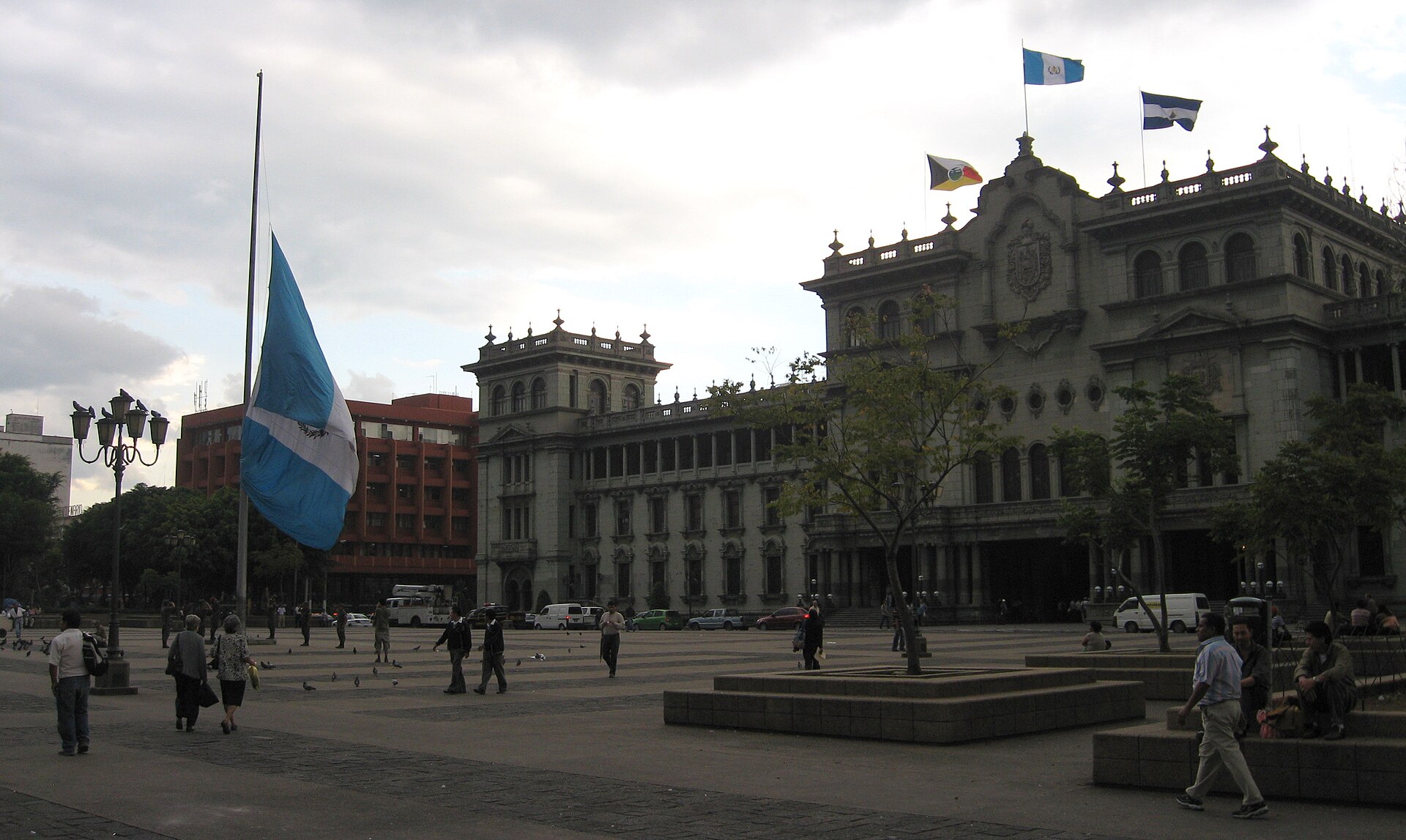
Plaza de la Constitución, or Constitution Square, sits at the heart of Guatemala City, a place where the country’s past and present intersect in quiet, unassuming ways. Unlike the grand plazas of Europe or the bustling squares of Latin America’s colonial cities, this one feels more like a pause in the urban rhythm—a space where people gather not just for spectacle, but for the simple act of being together. It’s not the kind of place that demands attention with towering monuments or ornate fountains, yet it holds a certain weight, a sense of being the city’s living room, where history is not just remembered but lived.
The square’s origins trace back to the 18th century, when Guatemala City was still a young capital, having moved from its original location in Antigua after a devastating earthquake. The new city was laid out in a grid, with this plaza at its center, following the Spanish colonial tradition of placing the main square adjacent to the cathedral and government buildings. Over time, it became the stage for the country’s most pivotal moments—proclamations of independence, political rallies, and public celebrations. The name itself, Constitution Square, reflects its role in the nation’s democratic evolution, though the constitutions it has witnessed have been as varied as the country’s turbulent history.
Architecturally, the plaza is a mix of styles that tell the story of Guatemala’s shifting tastes and priorities. The most prominent structure is the Metropolitan Cathedral, its neoclassical façade a stark contrast to the more ornate churches of Antigua. Built in stages between the late 18th and early 19th centuries, the cathedral’s twin towers and simple lines give it a solemn, almost austere presence. Inside, the space is vast and dimly lit, with altars that have seen generations of worshippers come and go. The cathedral’s crypt holds the remains of some of the country’s most notable figures, including those who shaped its early independence.
Across the plaza stands the National Palace, a building that embodies the grandeur and contradictions of Guatemalan governance. Constructed in the 1930s under the dictatorship of Jorge Ubico, its imposing structure was meant to project power and stability. The palace’s design is a blend of neoclassical and art deco elements, with a symmetrical façade and a central dome that dominates the skyline. Inside, the halls are lined with murals depicting scenes from Guatemala’s history, some of them controversial, reflecting the narratives favored by the regimes that commissioned them. Today, the palace serves as a government office and a museum, offering a glimpse into the country’s political past.
The plaza itself is a broad, open space paved with stone, surrounded by low walls and benches where people sit in the shade of the trees. On any given day, you’ll find office workers taking their lunch breaks, students lounging between classes, and vendors selling snacks and trinkets. The atmosphere is relaxed, almost mundane, but that’s part of its charm. This is not a place for grand gestures or tourist performances; it’s where the city breathes. In the evenings, the square comes alive with families strolling, couples chatting on benches, and the occasional street musician adding a soundtrack to the scene.
One of the most striking features of Constitution Square is how it has adapted to the changing needs of the city. In the 20th century, it was a hub for political demonstrations, a place where people gathered to voice their demands for change. During the civil war, it became a site of both protest and repression, with the military often patrolling its edges. Today, it’s a more peaceful space, though its role as a public forum remains. On weekends, it hosts small markets, cultural events, and even the occasional protest, a reminder that democracy is still a work in progress.
The square is also a gateway to some of the city’s other landmarks. Just a short walk away is the Central Market, a labyrinth of stalls selling everything from fresh produce to handmade textiles. Nearby, the National Library and the old post office building offer glimpses into the city’s cultural and administrative history. The area around the plaza is a mix of old and new, with colonial-era buildings standing alongside modern offices and apartment blocks. This juxtaposition is part of what makes Guatemala City so interesting—it’s a place where history is not preserved in amber but woven into the fabric of everyday life.
For visitors, Constitution Square is less about ticking off a checklist of sights and more about soaking in the rhythm of the city. There are no guided tours here, no audio guides or informational plaques. Instead, it’s a place to sit on a bench, watch the world go by, and perhaps strike up a conversation with a local. The square doesn’t reveal its secrets all at once; it takes time to notice the small details—the way the light hits the cathedral’s façade in the late afternoon, the sound of church bells echoing across the plaza, the laughter of children playing near the fountains.
In many ways, Constitution Square is a microcosm of Guatemala itself. It’s not flashy or overtly dramatic, but it has a quiet resilience, a way of enduring through change while remaining a constant in the lives of those who call the city home. It’s a place where history is not just something you read about in books but something you feel in the air, in the stones underfoot, in the voices of the people who pass through it every day. Whether you’re a first-time visitor or someone who has lived in the city for years, the plaza has a way of making you feel connected to something larger than yourself.