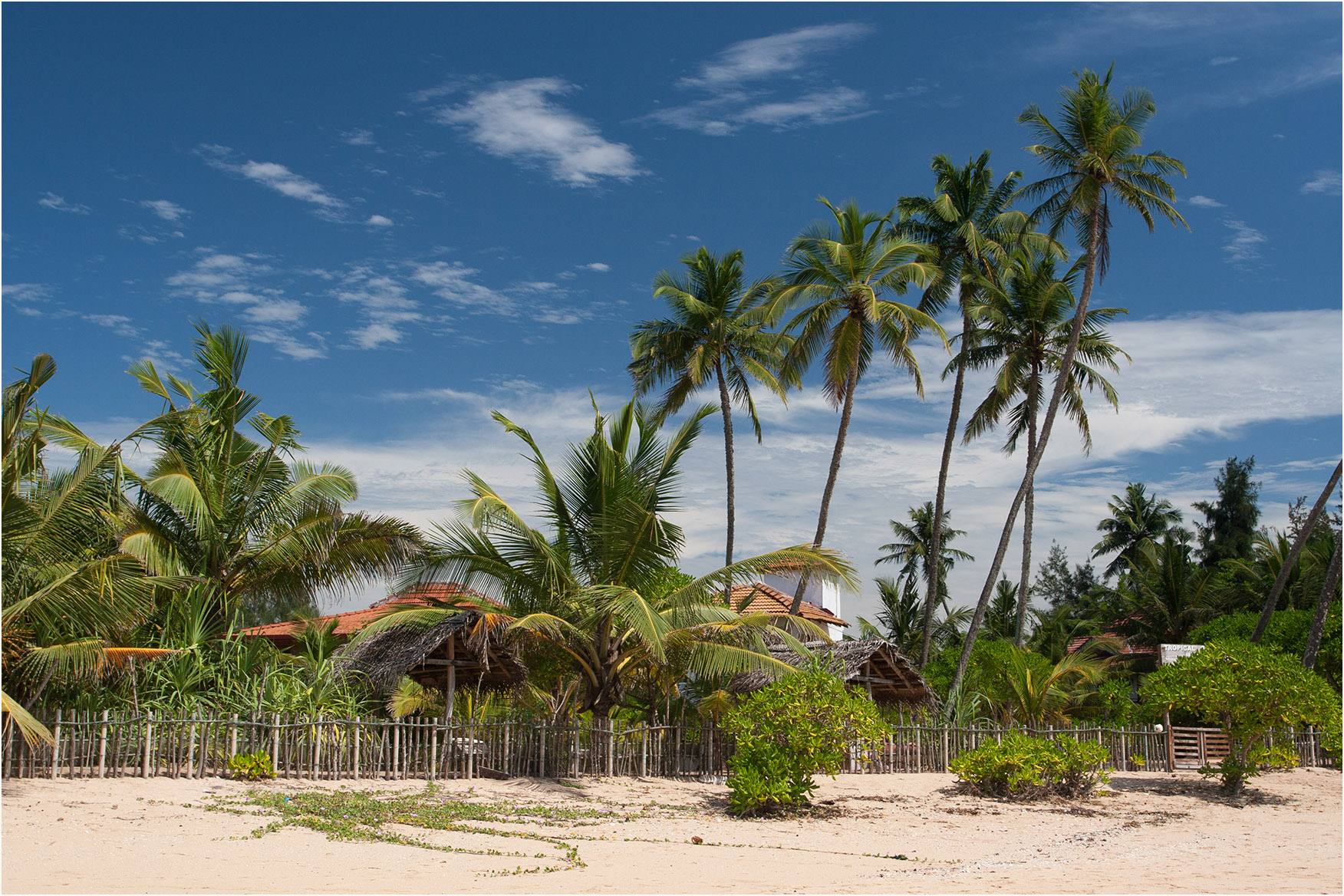
Hambantota Beach stretches along the southern coast of Sri Lanka, where the Indian Ocean meets a shoreline shaped by time and tide. Unlike the more tourist-heavy beaches further west, this place feels quieter, almost untouched in parts, with long stretches of sand that curve gently around the bay. The water here is warm year-round, shifting between shades of blue and green depending on the light, and the waves range from gentle laps to stronger swells that draw surfers in certain seasons. The beach isn’t just a strip of sand—it’s part of a landscape where the land seems to ease into the sea, with low dunes and patches of scrub giving way to the open water.
The history of Hambantota itself is tied to the ocean. For centuries, this was a port town, a place where traders from Arabia, India, and beyond would stop on their way along the ancient maritime routes. The beach, though not the main hub of activity, was where fishermen would bring in their catches, where boats were repaired, and where the rhythms of daily life were set by the tides. Even now, you can see small fishing boats pulled up on the sand, their hulls weathered by salt and sun, and the occasional fisherman mending nets or sorting through the morning’s haul. The town has grown in recent decades, with new roads and infrastructure, but the beach retains a sense of continuity with the past.
The architecture around Hambantota Beach is modest, reflecting the practical needs of a coastal community rather than grand design. There are no towering resorts or flashy beachfront developments—just a mix of small guesthouses, local eateries, and the occasional family-run shop selling cold drinks or fresh fruit. The buildings are low-slung, built to withstand the monsoon winds and the salt air, with corrugated roofs and walls painted in faded blues and whites. In the evenings, the area comes alive in a quiet way, with the scent of grilled fish and spices drifting from roadside stalls, and the sound of waves blending with the hum of motorbikes and distant music.
One of the most striking things about this beach is how it changes with the seasons. During the dry months, from December to April, the sand is powdery and golden, the water calm enough for swimming, and the skies clear for most of the day. This is when the beach feels at its most inviting, with just enough breeze to keep the heat from becoming oppressive. But when the monsoon arrives, usually around May, the mood shifts. The waves grow rougher, the wind picks up, and the beach takes on a wilder, more dramatic character. It’s not the kind of place where you’d sunbathe during this time, but the raw energy of the ocean has its own appeal, especially for those who prefer solitude over crowds.
The wildlife here is subtle but present. In the early mornings, you might spot sea turtles making their way to the water after laying eggs in the sand, though this is becoming rarer as development creeps closer to the shore. Birds are more common—herons wading in the shallows, terns diving for fish, and the occasional kingfisher perched on a low branch. The ocean itself is home to a variety of marine life, from small reef fish to larger species like rays and even the occasional whale shark, though sightings are never guaranteed. The best way to experience this side of the beach is simply to walk along the shore at dawn or dusk, when the light is soft and the animals are most active.
Hambantota Beach isn’t a place for those looking for luxury or constant entertainment. There are no beachfront bars with live music, no jet skis for rent, no rows of sun loungers under umbrellas. Instead, it offers something quieter—a chance to slow down and observe the natural rhythms of a coastal town. The pace here is set by the tides, the fishing schedules, and the long, lazy afternoons when the heat makes everything feel still. If you’re willing to wander away from the main stretch of sand, you’ll find small coves where the water is even clearer, or patches of shade under the palms where you can sit and watch the ocean for hours.
The town of Hambantota itself is worth exploring, though it’s not a typical tourist destination. It’s a place where modern development sits alongside older traditions, where a new cricket stadium and convention center stand near salt pans that have been worked for generations. The local market is a good place to get a sense of daily life, with stalls selling everything from fresh fish to handmade lace, a craft for which the region is known. The people here are used to visitors but not overwhelmed by them, so interactions feel natural rather than performative. A simple greeting or a smile is often enough to start a conversation, and if you’re lucky, you might be invited to try a cup of strong, sweet tea or a plate of kiribath, the coconut rice dish that’s a staple of Sri Lankan breakfasts.
For those who venture beyond the beach, the surrounding area offers a mix of landscapes. To the north, the land rises into low hills, where small villages are scattered among rice paddies and coconut groves. The roads here are narrow and winding, often shared with herds of cattle or the occasional elephant crossing—a reminder that this is still a place where wildlife and human life intersect. To the east, the coast continues in a series of quiet bays and rocky outcrops, with fewer people and more untouched stretches of sand. It’s possible to spend a whole day exploring these areas without seeing another tourist, just the occasional fisherman or farmer going about their day.
The best time to visit Hambantota Beach depends on what you’re looking for. If you want calm waters and sunny skies, the dry season is ideal, though this is also when the beach is at its busiest, at least by local standards. If you prefer a more rugged, atmospheric experience, the monsoon months can be rewarding, though you’ll need to be flexible with plans as rain can come suddenly and last for hours. Even during the wet season, though, there are often long stretches of clear weather between storms, and the landscape takes on a lush, vibrant quality that’s hard to find in drier months.
What makes Hambantota Beach special isn’t any single feature, but rather the way it feels like a place that hasn’t been overly shaped by tourism. It’s a beach that belongs to the people who live here as much as to the visitors who pass through, where the ocean is still a source of livelihood as well as leisure. There’s a sense of authenticity here that’s increasingly rare in coastal destinations, a reminder that a beach can be more than just a backdrop for holiday photos. Whether you come for the quiet, the wildlife, or simply to watch the waves roll in, it’s the kind of place that lingers in your memory long after you’ve left.