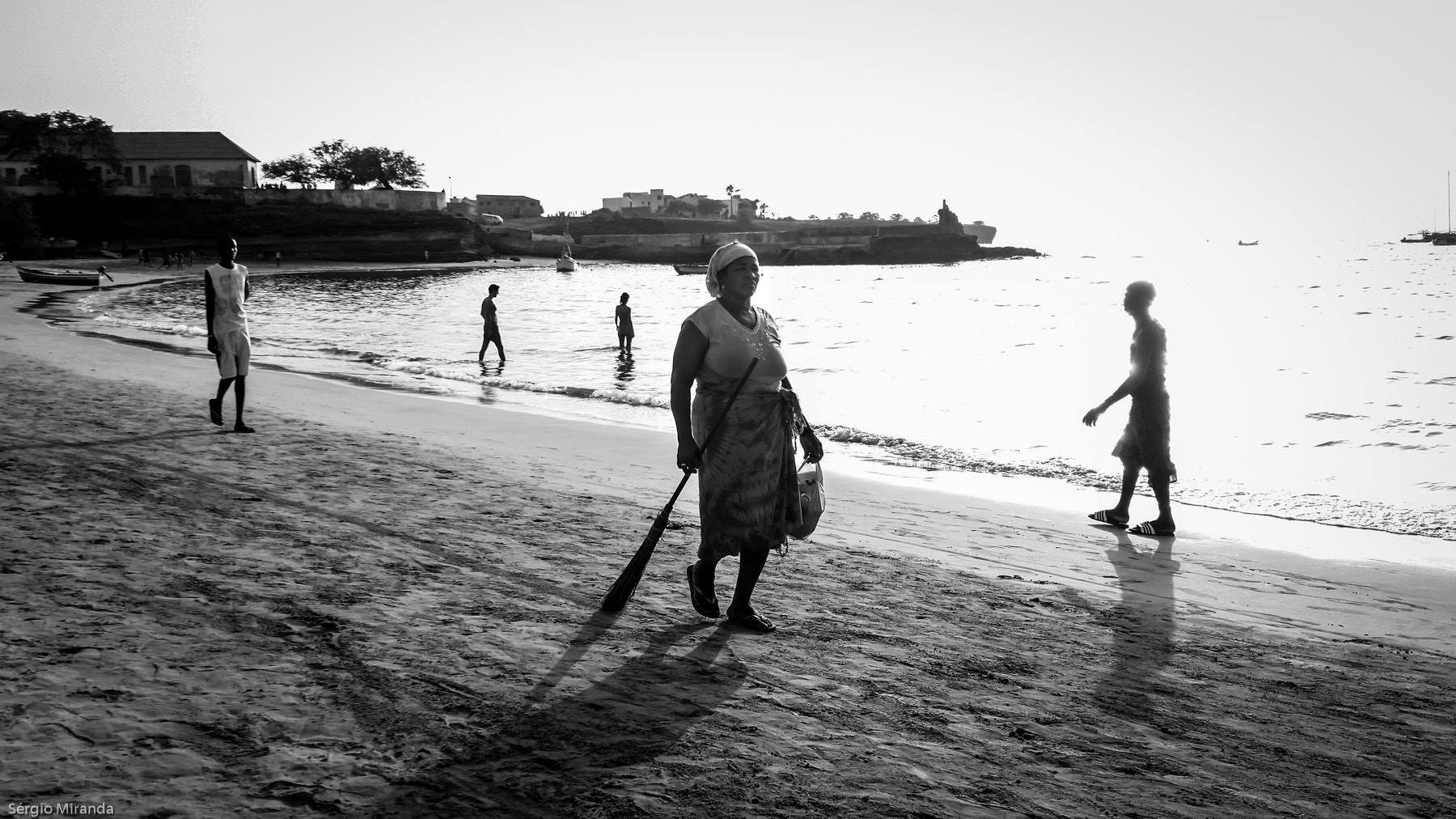
Tarrafal Beach
Tarrafal Beach lies on the northern coast of Santiago, Cape Verde’s largest island. The Atlantic’s deep blue meets golden sand here, where the rhythm is quiet and unhurried. Unlike the more tourist-heavy shores of Sal or Boa Vista, this stretch of coastline feels like a secret kept between locals and those who find it by chance.
The beach curves around a small bay, sheltered by low hills that soften the wind. The water is cooler than on the eastern islands, clearer too—you can see the sandy bottom a few meters out. It’s a place where an afternoon can slip by unnoticed: just you, the sound of waves, and the occasional fisherman mending nets under a palm.
Tarrafal’s history is part of Santiago’s fabric, though not the kind found in guidebooks. The beach was once a fishing village, its name taken from the nearby town, which gained a darker reputation during the colonial era as the site of a notorious prison. That chapter is closed, but traces of the past remain in the slow way of life. The prison, now abandoned, sits inland, its crumbling walls contrasting with the beach’s quiet life.
Most visitors don’t come for history. They come for the simplicity—the way sunsets paint the sky in orange and pink, or how seafood shacks serve grilled tuna and *cachupa* as if it’s the most natural thing in the world.
What sets Tarrafal apart is its lack of pretension. There are no luxury resorts, no beachfront bars with loud music, no vendors pushing souvenirs. Instead, you’ll find small, family-run restaurants where the menu changes daily based on the morning’s catch. The sand is clean but not manicured; palm trees lean in the breeze. The only crowds you might see are local kids playing football at the water’s edge.
You can rent a sunbed for a few escudos or spread out a towel—no one minds either way.
The Atlantic here looks calm at first glance, but it has power. Waves roll in steadily, strong enough to challenge swimmers unused to currents, but good for bodyboarding or letting the surf push you back. Snorkeling is possible near the rocks at either end of the bay, where small fish dart between coral and sea turtles glide by. If you’re lucky, you might spot a *moreia*, the local moray eel, peeking from its crevice.
Swim in the early morning or late afternoon, when the sun isn’t as harsh and the light turns the water into a shimmer.
Beyond the beach, the landscape around Tarrafal is worth exploring, though there are no marked trails or tourist signs. The hills behind the shore hold small farms growing bananas, papayas, and sugarcane. Their terraced fields form a patchwork of green against red earth.
Walk inland, and you’ll pass through villages where life moves at its own pace: women carrying baskets of fruit, men playing *bisca* under a mango tree, goats wandering into the road. The road from Assomada winds through this countryside, offering glimpses of a way of life that hasn’t changed much in decades.
Tarrafal feels timeless yet connected to the present. The beach has been here for centuries, but it isn’t frozen in time. Fishermen still set out at dawn in wooden boats, returning with the day’s catch. Children play in the shallows as their parents and grandparents did. A few guesthouses have opened in recent years, offering simple rooms steps from the sand. They’re not fancy—the real luxury is the view from your window, the sound of waves lulling you to sleep.
If you want nightlife or shopping, Tarrafal isn’t the place. But if you want to see Cape Verde as it is, not as it’s packaged for tourists, this is where you’ll find it.
Evenings here are for sitting on the beach with a cold *ponche*, watching stars appear over the ocean. Sometimes, musicians gather at a restaurant and play *morna*, the soulful music as much a part of Cape Verde as the sea. The songs are often in Kriolu, blending Portuguese with African influences. Even if you don’t understand the words, the emotion in the voices is clear.
Tarrafal isn’t a place you visit for a day and forget. It stays with you—the salt on your skin, the taste of fresh lobster, the way light catches the waves in the late afternoon. Travel isn’t always about ticking off landmarks. Sometimes, it’s about finding a quiet corner where time slows, where the sea and sky are enough, and where the best moments happen when you least expect them.
Don’t rush. Stay awhile. Let the rhythm sink in. That’s when you’ll understand why Tarrafal feels like coming home.