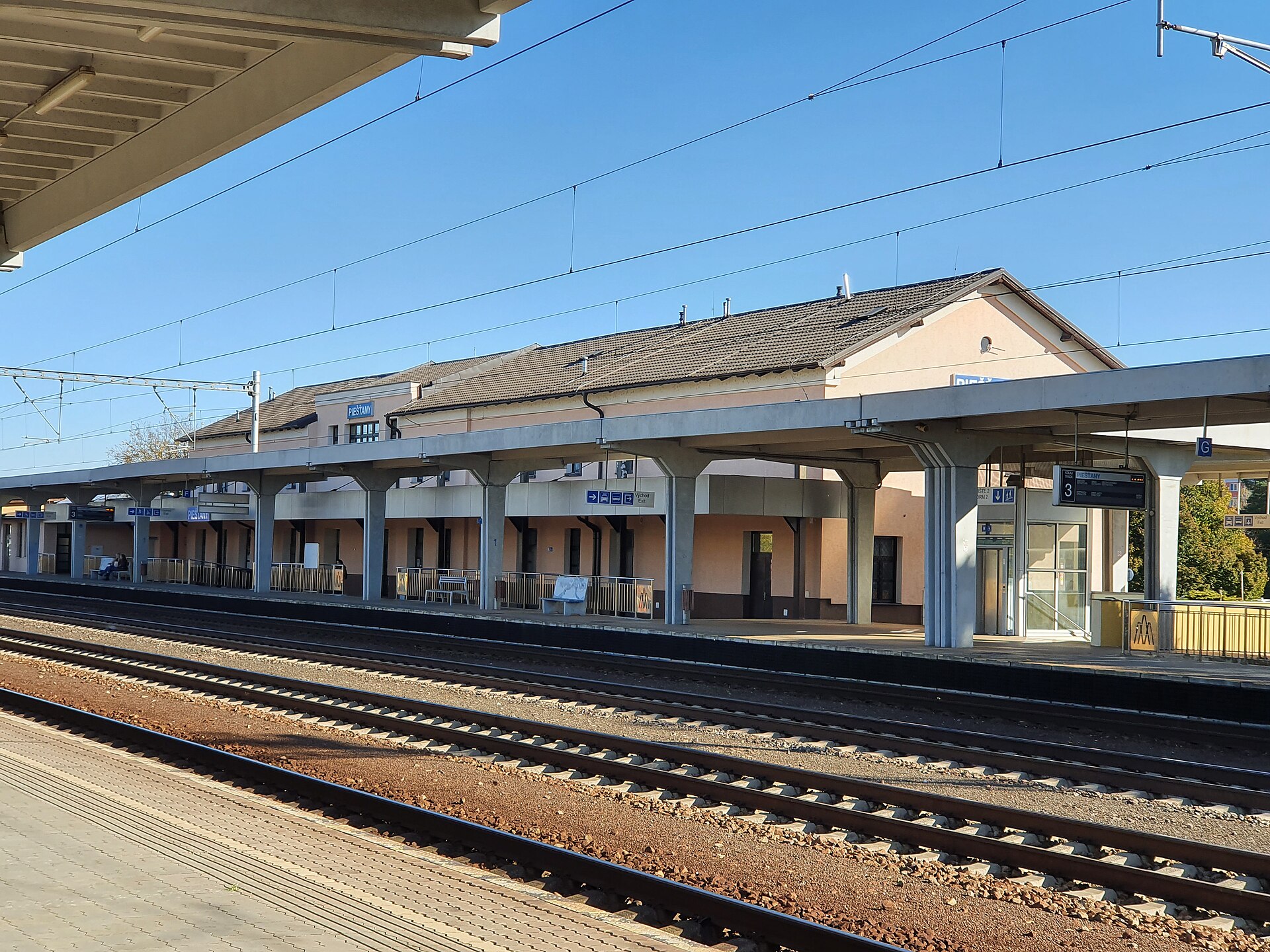
Piešťany is a town in western Slovakia where time slows down. Along the Váh River, gentle hills give it a sheltered feel. Wide, tree-lined avenues and parks surround you, and the air carries the scent of sulfur from thermal springs that have drawn visitors for centuries. The town doesn’t try to impress; it offers a chance to pause and let hours stretch unhurried.
The history of Piešťany as a spa destination
The first records of its healing waters date to the 13th century, when Hungarian royalty came here for relief. In the 19th century, new sanatoriums were built, roads were laid, and the springs became a retreat for Europe’s elite. The Winter family invested in the town’s infrastructure, turning it into a destination for aristocrats and emperors. Today, elegant villas and grand hotels with ornate facades and high ceilings remain from that era.
The thermal springs
The springs are rich in minerals, particularly sulfur, which gives the water its smell and therapeutic properties. The most famous is the Kolonáda spring, where water gushes from the earth at 67 degrees Celsius. Around it, pools, saunas, and treatment rooms have grown. Steam rises on cooler days, and people sit by the pools or stroll through the park. Locals swear by the waters’ restorative powers, and you see young and old taking their time.
The town’s architecture reflects its past. Many buildings in the center date to the spa’s golden age, designed in Art Nouveau and neoclassical styles. The former spa house, now the Balneology Museum, has mosaics and sculptures on its facade. Inside, old medical instruments and photographs show how treatments were conducted a century ago. Nearby, Thermal Park is a green oasis with ponds, bridges, and sculptures. The park holds *The Awakening*, a statue that seems to capture the town’s spirit.
Piešťany is also about slowing down. The Little Carpathians rise just beyond its borders, offering trails for hiking and cycling. The Váh River flows wide and calm, its banks dotted with small beaches. In summer, locals and visitors gather there. In autumn, wine festivals celebrate the harvest, letting you taste local varieties and learn about old winemaking methods.
Life here moves at its own pace. Mornings start quietly, with cafés serving pastries and coffee. By evening, families walk along the river or sit in parks. There are no loud nightclubs—just the steady rhythm of a town that values peace. Locals are friendly but unobtrusive, making you feel like a guest. Souvenir shops sell bottles of thermal water and skincare products from the springs, but most people leave with the memory of days spent away from rush.
What makes Piešťany different isn’t luxury or scale—it’s its authenticity. There are no flashy resorts or crowds. Instead, there’s a sense of place, a feeling that this town has always been about something deeper than relaxation. It’s a refuge for those tired of modern life’s pace, where you can step back and reconnect with nature, quiet, and the simple pleasure of warm water on your skin. That’s why people return—not just for healing, but to remember what it feels like to slow down.