Actun Tunichil Muknal, often called ATM, is one of Belize’s most extraordinary places. Tucked away in the jungles of the country’s western region, not far from the town of San Ignacio, it holds more than just natural wonders—it’s a portal to the ancient Maya world. The entrance is easy to miss: a narrow gap between rocks and foliage, leading into a maze of underground chambers filled with stalactites and stalagmites. But the real significance of ATM lies not in its geological formations, but in its role as a sacred site where the Maya conducted rituals and made offerings.
The cave’s history is deeply tied to Maya beliefs, particularly their view of it as a gateway to Xibalba, the underworld. Archaeological evidence shows that ATM was actively used during the Classic period, roughly between 250 and 900 AD. Inside, researchers have found ceramic vessels, stone tools, and human remains, including the famous Crystal Maiden—a young woman whose bones, encrusted with calcite, glisten in the light of headlamps as if she’s become part of the cave itself. While she’s the most well-known discovery, she’s far from the only one; over a dozen human remains have been found here, confirming the cave’s role as a site of ritual sacrifice.
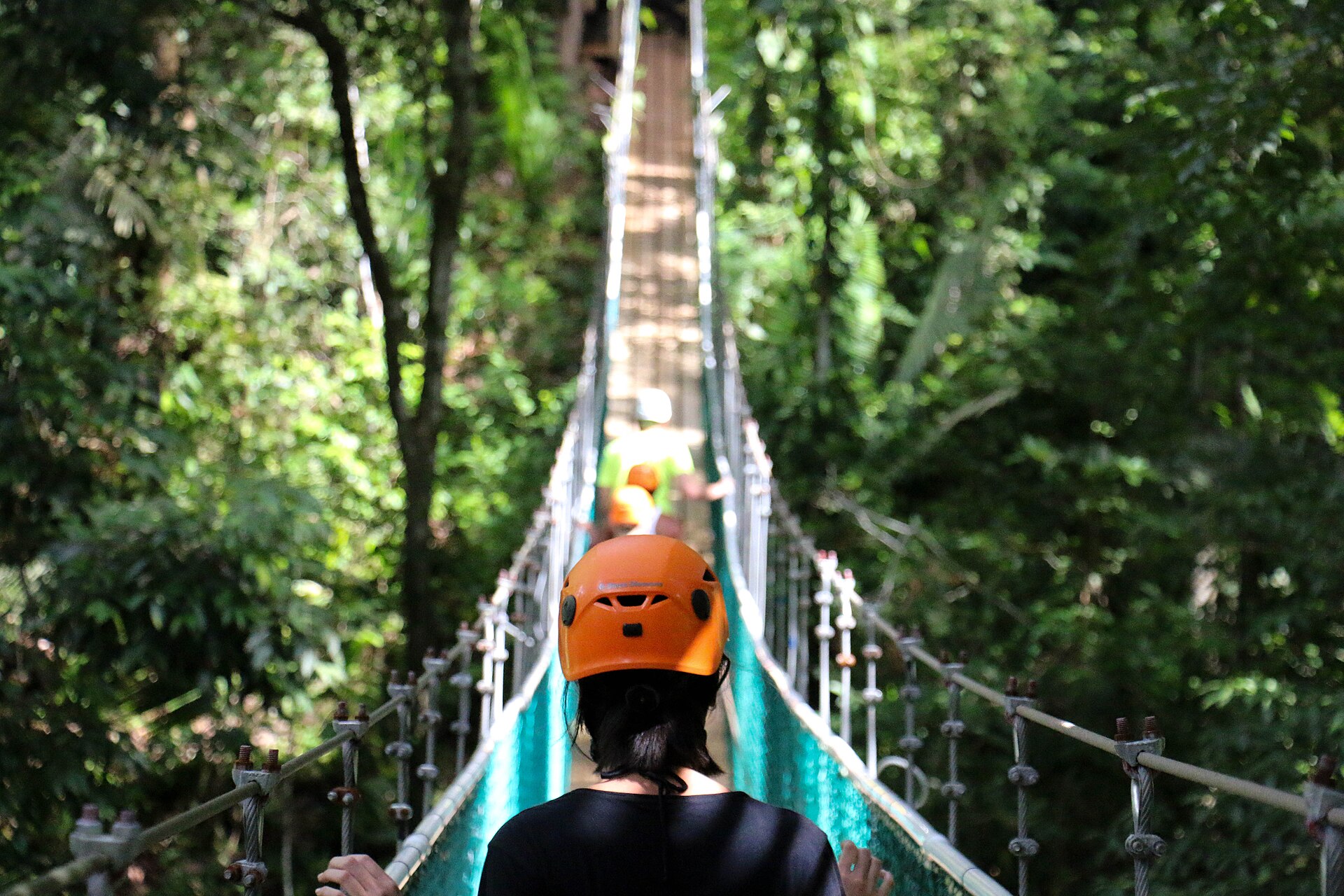
Visiting ATM isn’t just a tour; it’s an adventure. The journey begins with a walk through the jungle, where the air is thick with the sounds of howler monkeys and the scent of damp earth. You’ll wade across a river, its water reaching your knees even in the dry season. The cave itself demands physical effort—climbing over rocks, squeezing through tight passages, and navigating slippery surfaces. Guides are mandatory, not just for safety but because the cave is still considered sacred. Rules are strict: no touching artifacts, no photographing the skeletons, and no leaving anything behind.
The cave’s natural architecture is breathtaking. Inside, vast chambers are adorned with stalactites hanging like giant icicles, some merging with stalagmites to form columns that resemble ancient temples. Water seeping through the limestone creates surreal formations—a stone waterfall here, a crystal-clear underground pool there. One of the most striking spaces is the Cathedral, a high-ceilinged chamber where every sound echoes, amplifying the sense of mystery.
Despite being open to visitors, ATM remains a place that commands respect. The Maya saw caves as living entities, and that reverence is still expected today. Tourists are asked to keep voices low and behavior mindful. Excursions usually start early to avoid the heat and crowds, with the entire trip taking around six hours. In that time, you don’t just see artifacts—you feel the weight of history, as if time has stood still in this sacred space.
Actun Tunichil Muknal isn’t just a tourist attraction; it’s a window into the past. Unlike the ruins above ground, which often feel like silent stones, ATM retains the spirit of the Maya. Here, you can almost sense the presence of those who came before, performing rituals centuries ago. That’s why the cave fascinates researchers and travelers alike—it doesn’t just show how the Maya lived, but lets you step into their world.
For those who visit, it’s important to understand that ATM isn’t for everyone. There’s no museum comfort here, no paved paths—just raw nature, darkness, and the quiet drip of water. But that’s what makes it special. The cave doesn’t offer easy answers; it hints at mysteries that remain unsolved. Many who leave feel as though they’ve touched something deeper than history, something that lingers long after the journey ends. ATM is where myth and reality blur, creating an atmosphere you won’t forget.