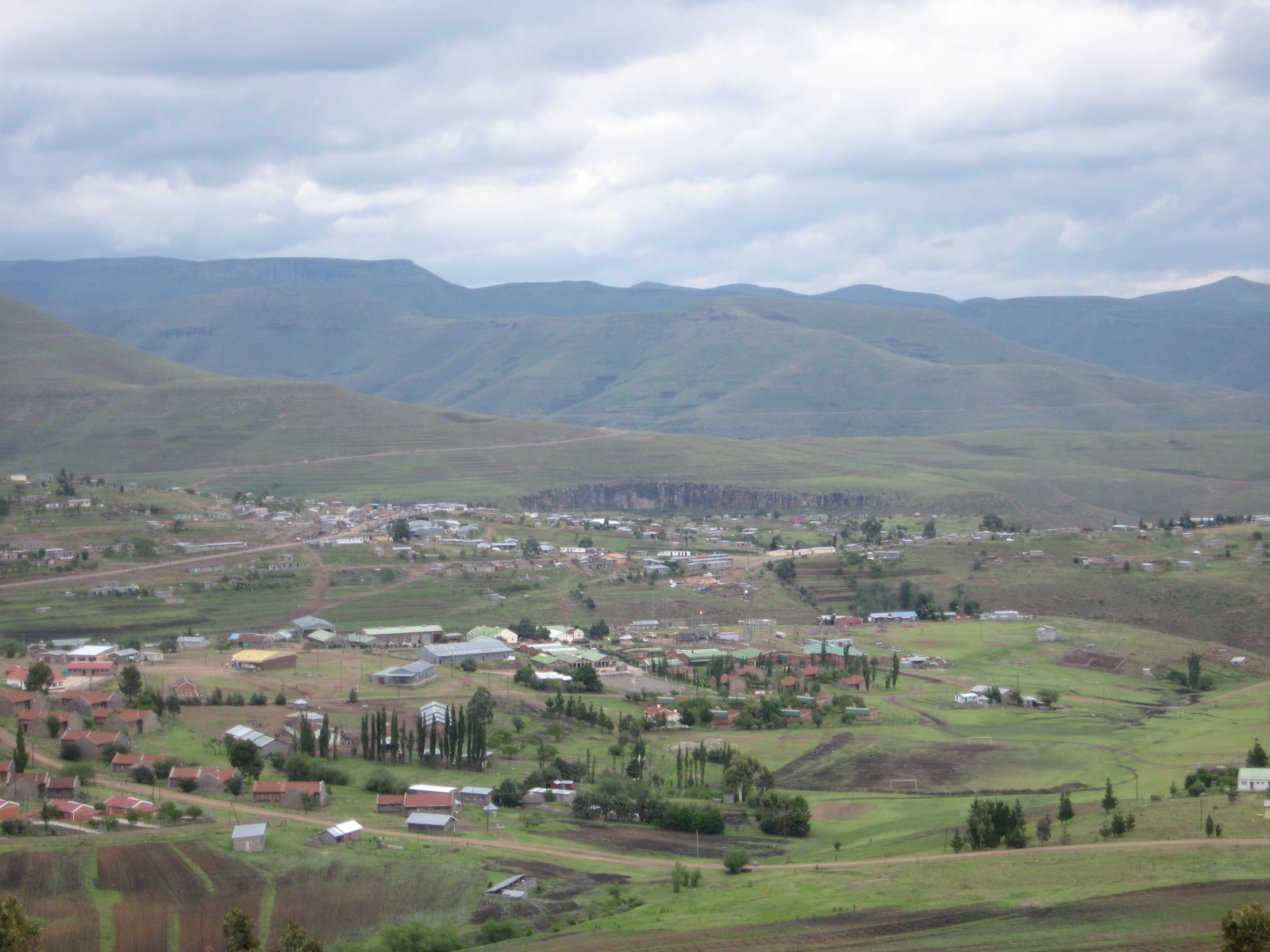
Taba-Tseka is one of those rare places where the land feels untouched, as if time has barely brushed against it. Nestled in the highlands of Lesotho, this national park is a world away from the well-trodden paths of more famous African reserves. There are no crowds here, no safari jeeps kicking up dust, no lodges with infinity pools. Instead, the park offers something far quieter: the chance to walk through landscapes that have remained largely unchanged for centuries, where the air is thin and sharp with the scent of alpine grass, and the only sounds are the wind through the rocks and the distant call of a bird.
The history of Taba-Tseka is woven into the fabric of Lesotho itself. Long before it became a protected area, these mountains were home to Basotho herders who moved their livestock across the high pastures, following ancient routes that crisscross the terrain. In the mid-20th century, as concerns grew over the preservation of Lesotho’s fragile highland ecosystems, the land was designated a national park. Unlike many reserves created solely for conservation, Taba-Tseka was also meant to safeguard the way of life of the people who had lived here for generations. The park’s name, taken from the nearby town, reflects this dual purpose—it is both a sanctuary for wildlife and a living landscape where human and natural histories intertwine.
The terrain here is dramatic in its variety. Steep cliffs, their surfaces softened by moss and lichen, rise abruptly from valleys where streams cut through the earth like silver threads. The high plateaus offer sweeping views that stretch to the horizon, and on clear days, the air is so crisp that the outlines of neighboring countries seem almost within reach. There are no grand rivers in Taba-Tseka, but water is ever-present in smaller forms—trickling brooks, hidden waterfalls, and springs that vanish beneath the rocks only to reappear further down the slope. The land feels alive in a way that is hard to describe, as if every stone and stream has its own rhythm.
The flora and fauna of the park are uniquely adapted to the harsh conditions of the highlands. The vegetation is a mix of hardy grasses, low shrubs, and rare endemic plants that thrive where few others can. Wildlife is less conspicuous than in the savannas of East Africa, but that only makes encounters more meaningful. Mountain reedbucks and klipspringers move cautiously along the rocky outcrops, while leopards—elusive and rarely seen—roam the higher slopes. Birdlife, however, is abundant. The skies are patrolled by raptors like the African fish eagle, its piercing cry echoing across the valleys, while smaller species flit between the bushes, their songs adding to the sense of wildness.
Visiting Taba-Tseka is not about ticking off a checklist of sights or experiences. There are no paved roads, no luxury camps, no guided tours with set itineraries. Instead, the park invites a slower, more immersive kind of travel. The trails here are the same ones used by local herders for centuries, winding through valleys and up to passes where the views are so vast they make you catch your breath. Staying overnight in one of the villages on the park’s edge offers a glimpse into a way of life that has endured for generations. The hospitality is warm but unassuming, and conversations with locals often reveal a deep connection to the land, one that goes beyond mere survival.
What makes Taba-Tseka special is its remoteness. This is not a place that caters to tourists, and the lack of infrastructure only adds to its authenticity. The people here are not accustomed to visitors, and their presence is not a performance for outsiders but a continuation of traditions that have shaped this landscape for centuries. There is no sharp divide between the wild and the inhabited—villages blend into pastures, which in turn give way to protected areas. The Basotho who live here still tend their herds, cultivate small plots of land, and practice crafts passed down through generations. Their relationship with the environment is one of mutual respect, where every resource is used thoughtfully, and nothing is wasted.
The park is also a living museum of adaptation. Life in these mountains has always been a challenge, and the people of Taba-Tseka have learned to thrive in conditions that would daunt many. Traditional skills—weaving, leatherwork, and the making of wool blankets—are not just cultural artifacts but essential tools for survival. In the villages, you might see women crafting intricate baskets from local grasses or men tanning hides using methods unchanged for centuries. These practices are a testament to resilience, a way of making the most of what the land provides without depleting it.
Taba-Tseka does not impress with grand spectacles or obvious beauty. There are no towering waterfalls or vast herds of animals, no postcard-perfect vistas that demand to be photographed. Instead, its appeal lies in its understated authenticity. The mountains here have stood for millennia, and the people who call them home have learned to live in harmony with their rhythms. The air carries the scent of wild herbs and damp earth, and the silence is so complete that it feels like a presence of its own. This is not a place to rush through but one to linger in, where each day reveals something new—whether it’s the way the light changes on the cliffs at dawn or the quiet conversation of a herder with his flock.
For those who come here, Taba-Tseka offers more than just a glimpse of Lesotho’s natural beauty. It is a chance to step outside the noise of modern life and into a world where time moves differently. The park does not promise easy comforts or instant gratification, but it rewards those who are willing to slow down and pay attention. There is a sense of permanence here, a feeling that the land and its people have found a balance that works, one that does not rely on exploitation or spectacle. And if you’re lucky, you might leave with something more than memories—a quiet understanding of what it means to live in a place where the earth is not just a backdrop but a partner in the daily act of living.