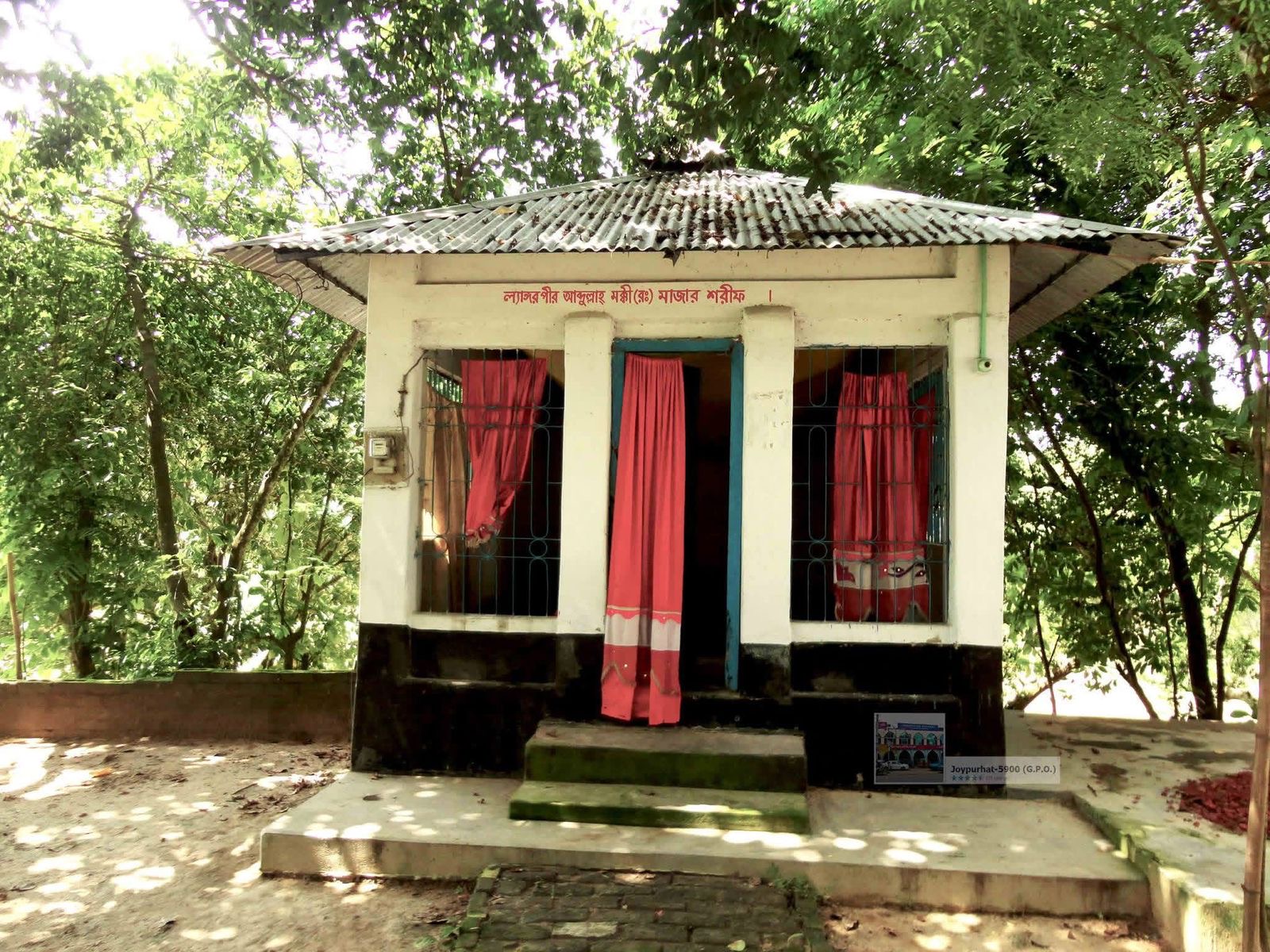
Shibganj Park is one of those quiet places that don’t demand attention but leave a lasting impression. Tucked away in a small northern town in Bangladesh, it offers a simple escape from the rhythm of daily life, especially for those who call this area home. There are no flashy attractions or crowds of visitors here—just wide pathways shaded by trees, benches where people linger, and the easy hum of local life. Children play cricket on the grassy patches while elders gather to chat over cups of tea, their conversations blending into the gentle rustle of leaves.
The park’s story is woven into the history of Shibganj itself. The town, founded centuries ago, was once a thriving hub for trade and culture in the region. The park likely came later, born out of the need for public spaces as the town expanded. During the colonial era, such places often symbolized progress, and Shibganj was no exception. Today, the park feels like a living archive of the town’s past, where every tree and winding path carries traces of the generations who have walked here before.
The architecture is unassuming but fits naturally into the surroundings. The main pathway is paved with simple tiles, flanked by old-fashioned lampposts that hint at a time when electricity was still a novelty in these parts. Deeper in the park, a small fountain stands—likely long out of use—but its presence adds a touch of charm. Families often gather around it, spreading out picnics on the grass, especially in the summer when the shade offers relief from the heat and a light breeze makes the air more bearable.
This is a place that breathes with the town’s daily life. Mornings bring joggers and yoga enthusiasts, while evenings fill the paths with people strolling after work. On weekends, young couples find quiet corners, and groups of friends meet up for conversations. Schoolchildren rush in to play football or chase each other across the lawns. The park isn’t just a patch of green; it’s a living space that shifts with the rhythms of the town and its people.
Local festivals bring the park to life in a different way. During Eid al-Fitr or Durga Puja, it becomes the heart of the community, with makeshift stages hosting musicians, dancers, and storytellers. Vendors set up stalls selling food and trinkets, and for a few days, the park feels like the center of the world. These moments remind you that even in small towns, there’s room for celebration and shared joy.
Despite its modest appearance, the park plays a vital role in the town’s ecology. In a place where buildings press close together and humidity hangs thick in the air, the trees offer more than just shade—they clean the air and provide a home for birds and small animals. The local government does what it can to maintain the space, though resources are often limited. Still, the people of Shibganj take pride in their park, caring for it in ways that go beyond official upkeep.
For outsiders, the park might seem too ordinary, especially when compared to Bangladesh’s more famous landmarks. There are no grand temples or ancient ruins here, but that’s part of its appeal. This is a place where you can experience the town as it truly is, without the polished veneer of tourist spots. If you find yourself in Shibganj, it’s worth stopping by for an hour—just to sit on a bench, listen to the sounds around you, and get a sense of how life unfolds in this corner of the country.
Time moves differently here than in the capital or the big tourist destinations. You can watch the light shift as the afternoon fades, the shadows stretching longer and the sky turning gold at dusk. In those moments, Shibganj doesn’t feel like just another dot on the map. It’s a place where life carries on at its own pace, untouched by the rush of the outside world. And the park, in its quiet way, is at the very heart of it.