Victory Park in Yessentuki is one of those places where the past and the present coexist so naturally that you might not even notice the transition. Perched on a gentle hill, it offers a quiet vantage point over the town and the surrounding landscape, as if time itself moves a little slower here. Unlike grand war memorials with towering monuments and eternal flames, this park doesn’t impose its history on visitors. Instead, it feels like a green refuge where locals come to unwind, take their children for a walk, or simply sit on a bench and watch the town stretch out below.
The park was established in the years following World War II, originally intended as a tribute to those who never returned from the front. Back then, trees were planted, paths were laid, and a modest but striking monument was erected at its heart. Over the decades, the park has grown—new alleys, playgrounds, and even a small fountain have been added—transforming it into a place where people come not just to remember, but to live their everyday lives. In summer, the shade offers respite from the heat, while in autumn, the golden leaves turn the paths into a soft carpet underfoot.
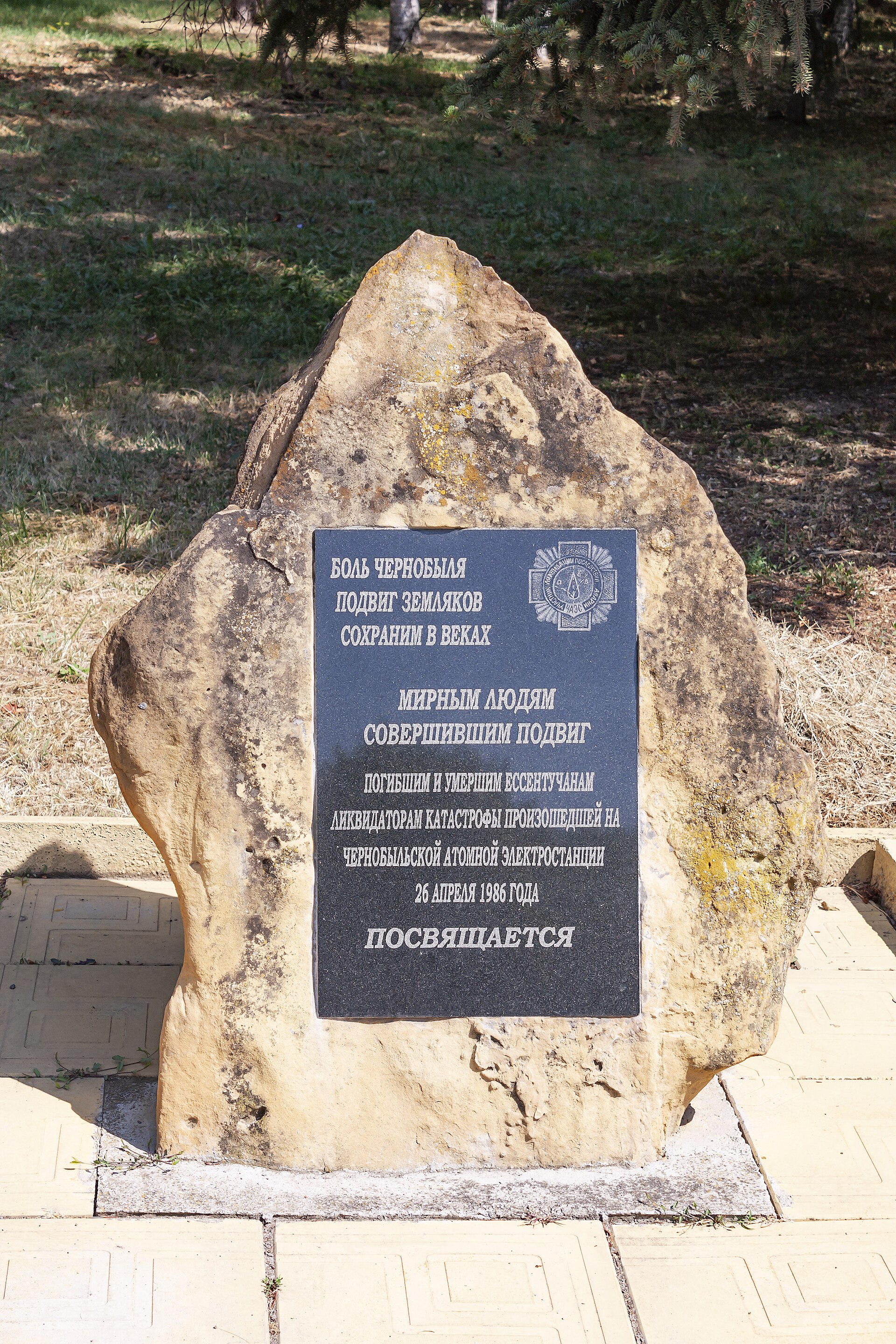
There’s nothing grandiose about the park’s design. You won’t find imposing colonnades or monumental arches here—everything is understated and practical, built for people rather than spectacle. Wooden gazebos, simple benches, and winding paved paths weave between the trees, creating a space that feels intimate rather than imposing. The central monument to the fallen soldiers doesn’t dominate the park; instead, it serves as a quiet reminder of how deeply the war touched every family. It’s not uncommon to see flowers left at its base—brought by veterans, schoolchildren, or passersby who feel compelled to pay their respects.
For Yessentuki, Victory Park is more than just a place to take a stroll. It’s a living part of the town’s history, a backdrop for community life. City celebrations, open-air concerts, and gatherings all take place here, but the park’s most important moment comes on Victory Day, when people of all ages gather to honor those who were lost. On ordinary days, the park has a rhythm of its own—someone reads a book on a bench, a group of older men plays chess, and children race along the paths, unaware of the stories beneath their feet.
The atmosphere here is peaceful, almost contemplative. Unlike bustling central parks designed for entertainment, Victory Park doesn’t try to impress. It simply exists, offering a quiet corner where people can slow down and reflect. In spring, the air is filled with the scent of lilacs and fresh grass; in summer, the smell of cut hay lingers; and in winter, snow blankets the paths, turning the park into something out of a fairy tale. These small details make it feel less like a public space and more like a part of the town’s soul.
Over the years, the park has become an inseparable part of Yessentuki’s identity. Its paths are familiar to everyone—from longtime residents to visitors who come to the town for its famous mineral springs. There are no elaborate flowerbeds or exotic plants here, and that’s precisely what makes it special. The trees, planted decades ago, now stand tall and sprawling, their branches shading the same paths that veterans once walked. Today, those paths are trodden by their grandchildren, who may not fully grasp the weight of the past but still feel its presence.
Victory Park isn’t a museum, though it serves that purpose in its own way. History isn’t cordoned off here—it’s woven into the fabric of daily life. There are no tour guides or strict rules, just the quiet rustling of leaves and the unspoken memories carried by the breeze. That might be why people keep coming back—not for grand gestures, but for the chance to stand still, think, and remember in their own way. It’s a place where the past isn’t just honored; it’s lived.