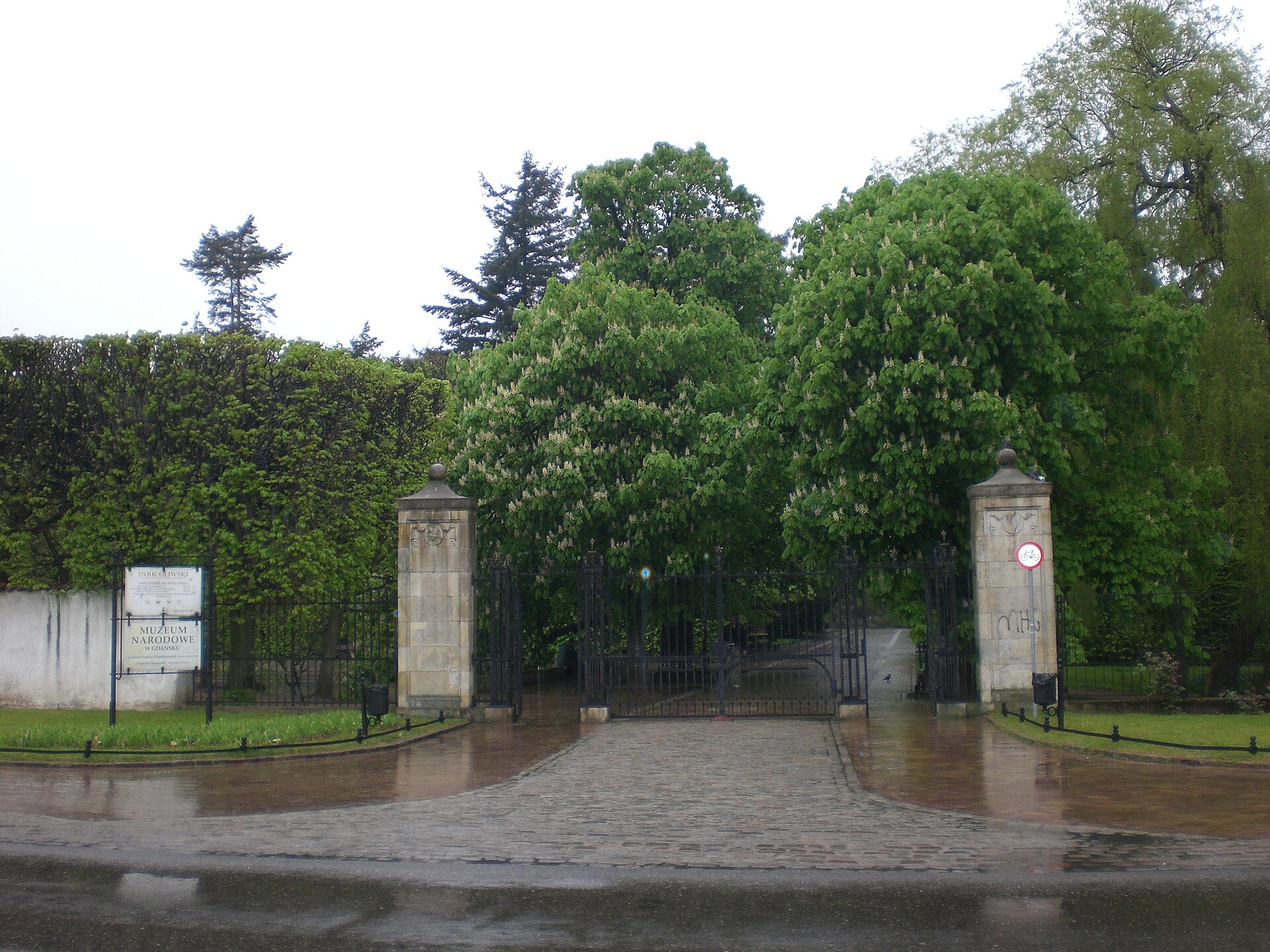
Oliwa Park is one of those rare places in Gdańsk where the city’s usual rush fades into the background, replaced by the quiet rhythm of nature and history. Stretching across rolling hills that slope gently toward the sea, the park feels like a world apart, where time moves differently. Oak-lined avenues, duck-filled ponds, and winding paths create an atmosphere of effortless tranquility, though the park itself is far from small. Locals often start their day here with a morning run or a coffee on one of the benches, while visitors frequently lose track of time, lingering longer than they intended. There’s something about the place that makes it easy to forget the outside world.
The park’s origins trace back to the Middle Ages, when these lands belonged to the Cistercian abbey in Oliwa. The monks didn’t just cultivate the land—they shaped the landscape, laying out the first paths and planting trees that still stand today. By the 18th century, as the abbey’s influence waned, the grounds began to take on the characteristics of an English-style landscape garden, a fashionable trend at the time. This meant embracing natural forms, picturesque views, and carefully designed features like artificial streams, small bridges, and pavilions, many of which remain scattered throughout the park.
Architecture plays a subtle but important role in Oliwa Park’s character. The main entrance is marked by Baroque gates, a remnant of the abbey’s heyday, leading to a long avenue that draws visitors deeper into the park. Nearby stands a modest yet elegant palace, once the residence of the abbots and later a summer retreat for Prussian officials. Its tall windows and mansard roof give it a quiet dignity, and today it houses a museum dedicated to Oliwa’s history. The building itself is unassuming, but it serves as a reminder of the layers of time embedded in the park’s landscape.
One of the park’s most striking features is its botanical diversity. Trees and shrubs from around the world thrive here—Japanese maples, magnolias, rhododendrons—alongside native species like oaks and beeches. Spring is particularly magical, when cherry and apple blossoms fill the air with fragrance, and lilacs add splashes of color. Summer brings relief from the heat under the shade of ancient trees, while autumn transforms the park into a canvas of gold and crimson. Even in winter, the bare branches and occasional frost create a different kind of beauty.
A small pond near the entrance is a favorite spot for families. In warmer months, ducks and swans glide across the water, while children gather around the fountain. When the pond freezes in winter, it becomes an impromptu skating rink. Nearby, an old mill stands as a relic of Oliwa’s rural past, when the area was still a village rather than part of a bustling city. The mill no longer operates, but its presence adds to the park’s sense of continuity with the past.
Beyond its natural beauty, Oliwa Park serves as a cultural hub. In the summer, classical music concerts often take place here, particularly during the organ music festival. The park’s proximity to Oliwa Cathedral, home to one of Europe’s most renowned organs, makes it a natural extension of the musical experience. The sound of the organ drifting through the trees blends with the rustling leaves, creating an atmosphere that feels both grand and intimate.
For those who prefer a more active visit, the park offers well-marked walking and cycling trails. One path leads to a viewpoint on a hill, where the Gdańsk Bay unfolds below—on clear days, the port cranes and ships on the horizon are visible in the distance. Another trail descends toward the sea, ending at Jelitkowo beach, where the walk can continue along the shore. The routes are varied enough to suit different moods, whether you’re looking for a leisurely stroll or a more vigorous hike.
What makes Oliwa Park special is its ability to feel both timeless and deeply rooted in its surroundings. Despite being within the city limits, it retains the charm of an old estate, where every corner seems to hold a story. There are still quiet spots where you might feel like the first person to discover them, far from the usual tourist paths. Whether you come for the history, the nature, or simply the chance to wander familiar alleys again, the park has a way of drawing you back.