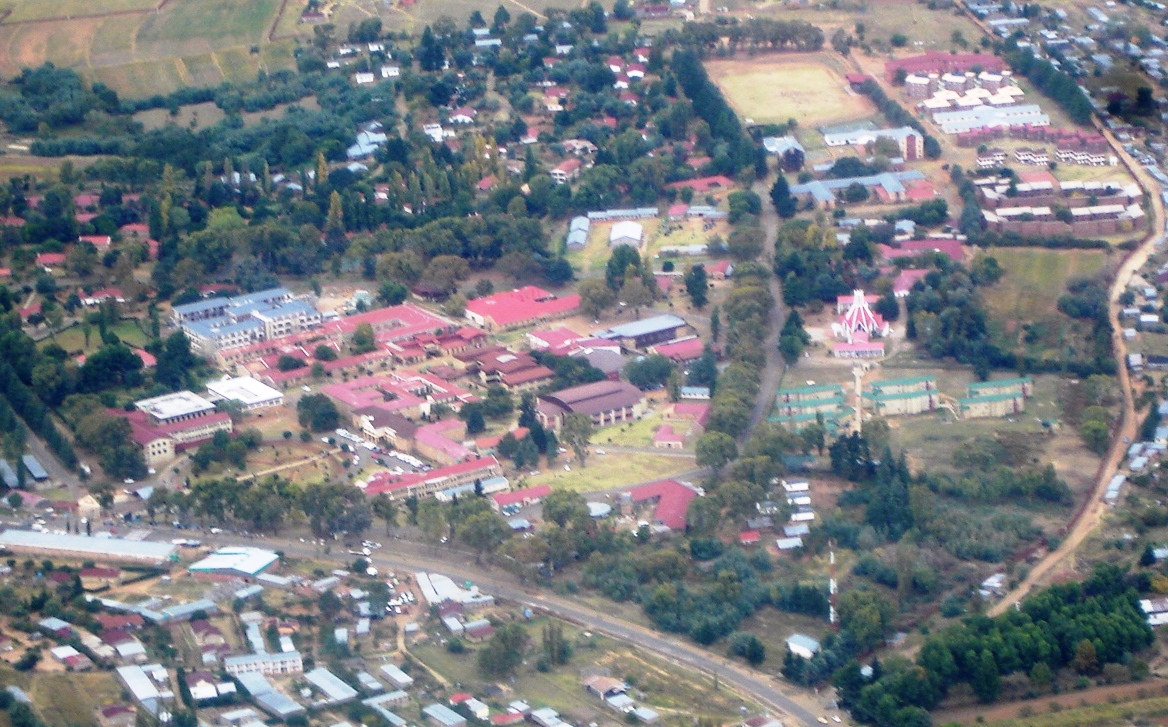
Maseru Park is one of those quiet corners in Lesotho where the city’s hum fades into the soft rustle of leaves and the gentle slopes of the surrounding hills. Just a short distance from the capital, it offers a retreat for locals and the occasional traveler looking to escape the midday heat or simply spend an hour under the open sky. Unlike the country’s wild national parks, with their untamed landscapes and strict conservation rules, Maseru Park feels more like a shared backyard—nature tamed just enough to coexist with the people who visit it.
The park’s origins are tied to the growth of Maseru itself. When the city became the administrative heart of the British Basutoland protectorate in the late 19th century, public spaces began to take shape. Maseru Park likely started as a place for colonial officials and local elites to stroll, but over time, it opened up to everyone. There are no grand avenues or ornate statues here, just simple paths winding through trees and open clearings where families spread out picnics or kick a football around.
Architecturally, the park is unassuming. Its main attraction is the landscape itself—the way acacia branches stretch over the paths, the small ponds where ducks and geese drift lazily, and the low hills that offer a sweeping view of the city below. On clear days, the panorama includes the distant mountains that frame Maseru, a rare vantage point in a place where the scale of the land can feel overwhelming. There are no towering fences or rigid signs, just a few benches and an information board recounting the park’s past.
For locals, Maseru Park is more than just a patch of green. It’s woven into daily life. Mornings bring joggers and yoga groups, afternoons see families with children, and by evening, young people gather for impromptu meetups. On weekends, small fairs or concerts sometimes spring up, though you won’t find posters advertising them. The atmosphere is casual, free of pretension—people come not for spectacle, but to unwind, whether alone or with friends.
There are no exotic animals or rare plants here, and that’s not the point. The park’s value lies in its ordinariness, in the way it reflects Lesotho as the Basotho see it. There are no guided tours, no souvenir stalls, just an unfiltered slice of life. Even the weather plays its part: in summer, the park bakes under the sun, while in winter, when snow dusts the highlands, it turns quiet and still, as if holding its breath.
If you find yourself in Maseru, the park is worth a visit for one simple reason—it offers a glimpse into how the city lives. There are no crowds, no bustling cafes, no must-see landmarks, just open space, silence, and the faint scent of grass carried on the breeze. It’s not a place for those seeking excitement, but for anyone who wants to sit on a bench, listen to birdsong, and feel the unhurried rhythm of life in Lesotho. Sometimes, the most memorable places are the ones that ask for nothing more than your time.