The park named in honor of the 50th anniversary of the October Revolution is one of those quiet, unassuming places that locals know well but rarely make it into glossy travel brochures. Tucked away in the Gagarin District, it’s the kind of spot where history feels more like a whisper than a shout—a green space that has grown and changed alongside the city itself, absorbing decades of everyday life without fanfare.
The park’s origins trace back to the mid-20th century, when Soviet urban planning often included public green zones as essential parts of new residential areas. It was designed not as a grand statement, but as a practical retreat for workers and families, a place to escape the concrete and noise of the growing industrial town. Over the years, its paths have been worn smooth by generations of strollers, dog walkers, and children on bicycles, while its trees have matured into a dense canopy that shades benches and playgrounds. The name, a nod to the 1917 revolution, is a reminder of the era when such commemorations were woven into the fabric of public spaces, though today it’s the park’s tranquility, not its politics, that lingers in the memory of those who visit.
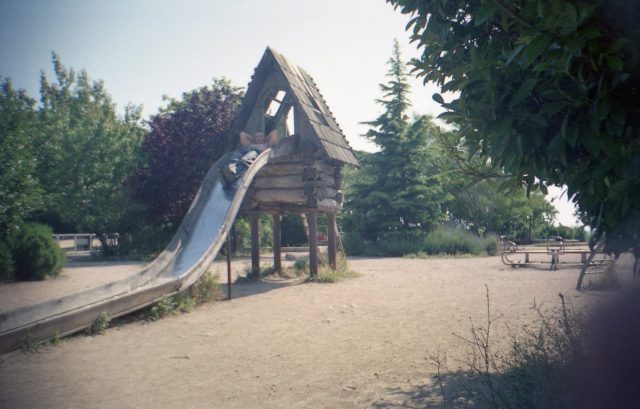
Architecturally, there’s nothing ostentatious about the place. The layout is straightforward—a network of paved and dirt paths winding through groves of birch, pine, and maple, with open lawns where people spread out blankets for picnics or sunbathe in the warmer months. A small pond, its edges lined with reeds, reflects the sky and the occasional duck gliding across the surface. Nearby, a modest fountain, long since turned off, stands as a relic of a time when such features were common in Soviet parks, though its stillness now feels more poetic than neglected. The playgrounds, with their metal swings and climbing frames, have that slightly worn look of equipment that’s been used for decades, their bright colors faded by sun and rain.
What makes the park special isn’t any single landmark, but the way it captures the rhythm of daily life in this part of Russia. On weekday mornings, it’s filled with the sounds of retirees doing their exercises, their movements slow and deliberate, while in the afternoons, mothers push strollers along the paths, stopping to chat with neighbors. In the evenings, teenagers gather on the benches, their laughter mixing with the rustle of leaves, and couples walk hand in hand, the park’s dim lighting casting long shadows. There’s a sense of continuity here, as if the same routines have played out for years, with only the faces changing.
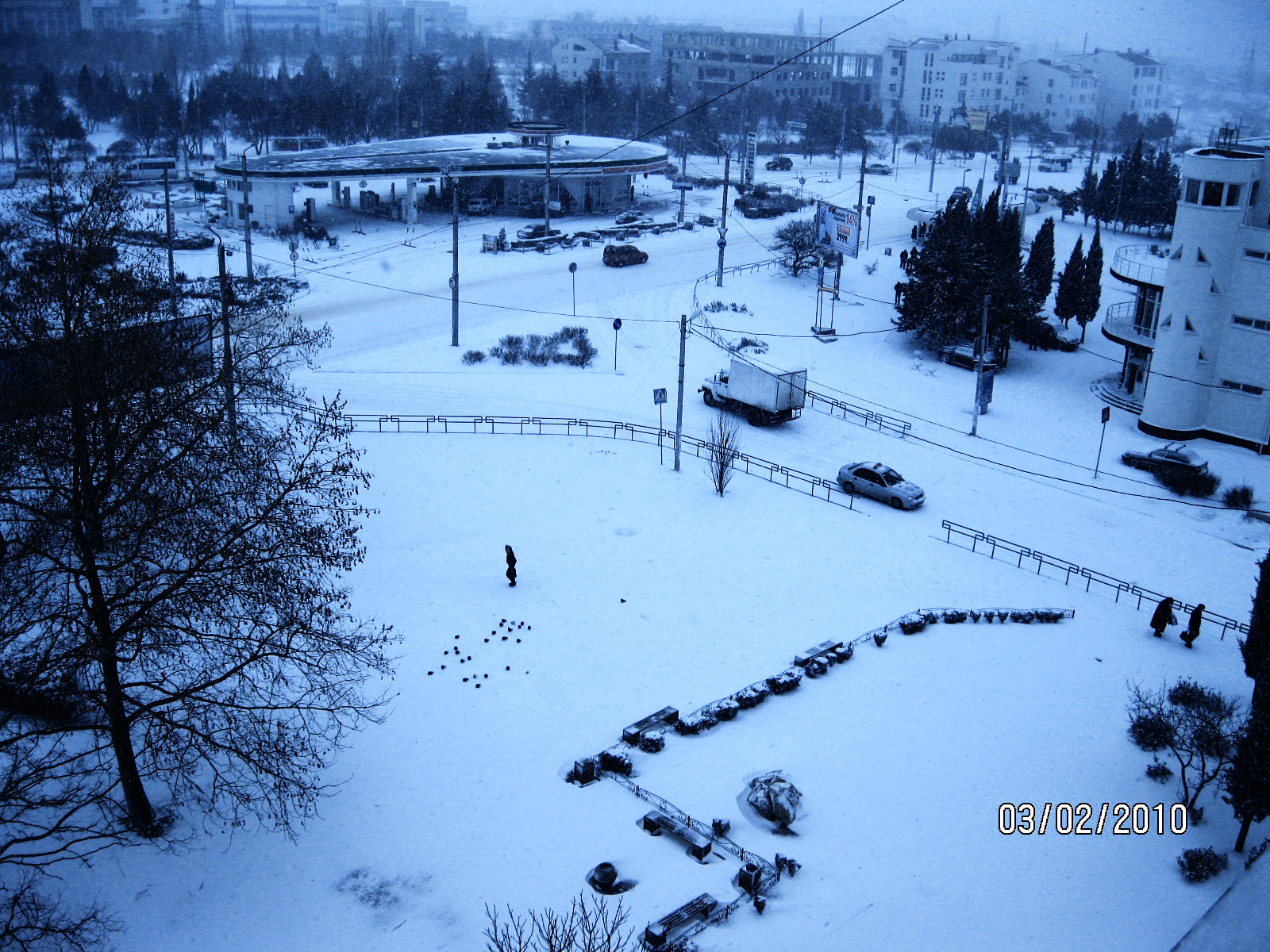
The park also serves as a kind of informal gathering place for community events, though nothing too elaborate. In the summer, local musicians sometimes set up near the central clearing, playing folk songs or Soviet-era hits to small crowds. During winter, the paths are cleared of snow, and children drag sleds up the gentle slopes, their shouts echoing through the bare trees. There’s no grand stage or permanent infrastructure for festivals—just an open space where people bring their own traditions, whether it’s a spontaneous game of football or a group of friends grilling shashlik over a portable stove.
For outsiders, the park might seem unremarkable at first glance, but that’s part of its charm. It’s not a place you visit for Instagram-worthy views or curated experiences, but for the quiet pleasure of watching life unfold at its own pace. The air smells of damp earth after rain, of pine needles in the summer, and of woodsmoke from nearby homes in the colder months. The light filters differently here depending on the season—soft and golden in autumn, harsh and bright in winter, dappled and green in spring. It’s the kind of place where you might come to read a book, to think, or simply to sit and listen to the wind in the trees.
In many ways, the park reflects the broader character of the Gagarin District itself—a place that has grown quietly, without the fanfare of larger cities. There are no grand monuments or tourist attractions here, just the steady hum of a community that has made this corner of Russia its own. The park’s name, with its Soviet-era resonance, might feel like a relic to some, but the space itself has long since outgrown its origins. Today, it belongs to the people who walk its paths, who remember their first kiss under its trees, or who bring their children to play in the same playgrounds they once did. It’s a place where history isn’t just remembered—it’s lived.