Yarkon Park is Tel Aviv’s green lung, a place where the city’s relentless energy softens into something quieter. Stretching nearly ten kilometers along the river of the same name, it begins near the northern edges of the city and follows the water’s path all the way to the Mediterranean. Here, the usual urban rhythm slows down—no honking cars or towering concrete, just wide lawns, shaded paths, and the occasional ripple of water against the banks. It’s where the city breathes, a space that adapts to whoever needs it: runners at dawn, families with children midday, couples and friends gathering for picnics as the sun sets.
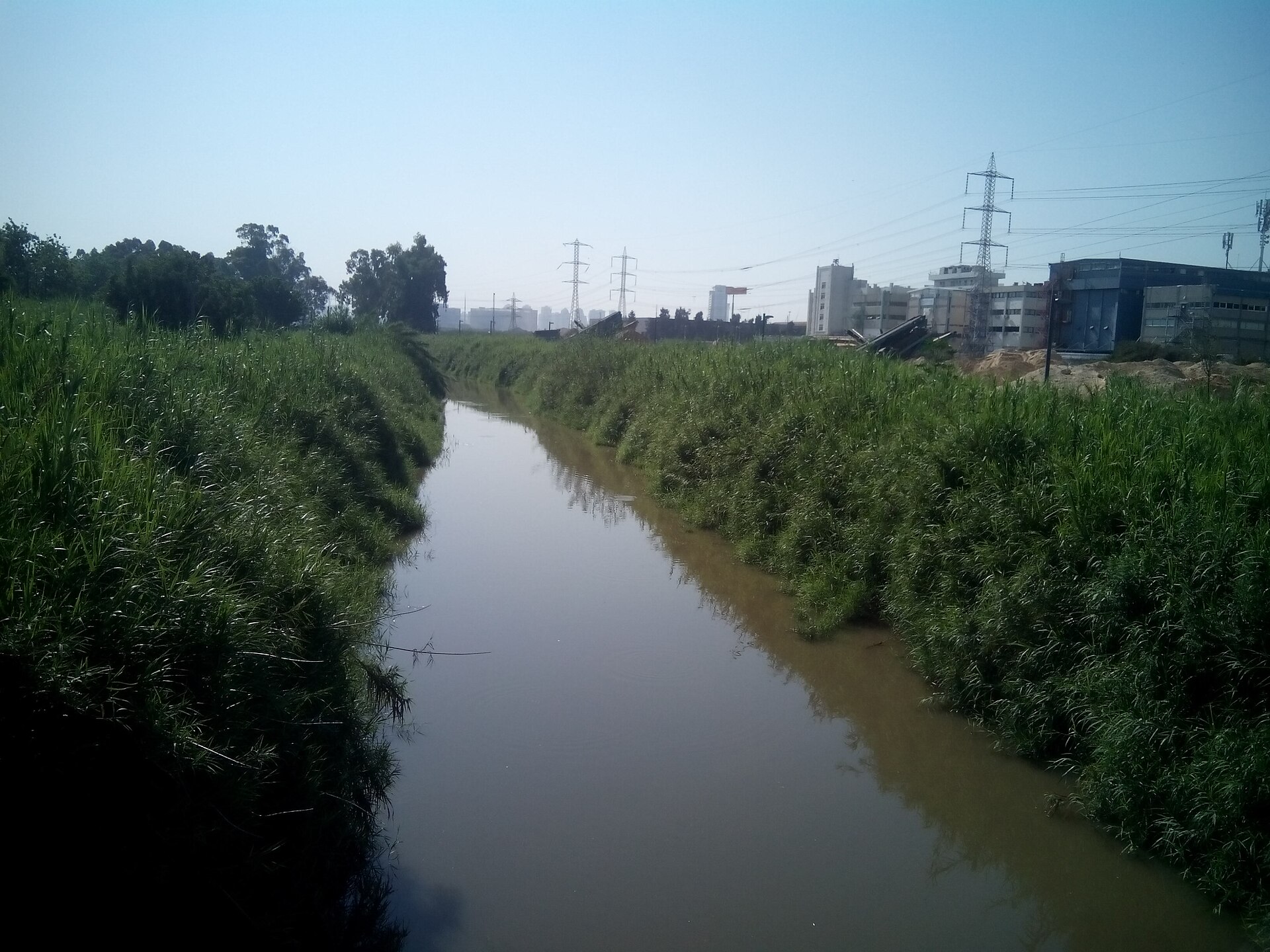
The park’s origins trace back to the mid-20th century, when Tel Aviv was expanding rapidly, swallowing up villages and farmland in its path. The Yarkon River, once vital for agriculture, had become little more than a neglected ditch, choked with reeds and litter. By the 1960s, city officials decided to reclaim it, not just as a waterway but as a public space for a growing population. The project was ambitious—clearing debris, restoring the ecosystem, and designing a park that could serve hundreds of thousands. It wasn’t just about planting trees; it was about giving the city a place to pause.
What makes Yarkon Park unique is how it unfolds in distinct sections, each with its own mood. Near the river’s source in the north, the botanical gardens feel almost secluded, with winding paths lined by exotic plants and palm groves. The air is thick with the scent of damp earth and blooming flowers, and the only sounds are birdsong and the rustle of leaves. Further south, the atmosphere shifts. This is where the park comes alive with activity—sports fields, bike trails, and picnic areas hum with energy. In summer, open-air concerts draw crowds, while winter rains swell the river, turning gentle currents into small, churning rapids.
At the heart of the park lies a lake, carved from an old quarry and now a peaceful centerpiece. Ducks and swans glide across the water, while visitors stroll along the surrounding path or settle onto benches to watch the light change over the surface. Nearby, a small beach offers a place to dip your toes in the water, though swimming isn’t encouraged—the river, after all, runs through a city, and its cleanliness isn’t guaranteed. Still, the lake remains one of the park’s most beloved spots, a place where time seems to slow down.
The park’s architecture is understated, designed to blend rather than dominate. Bridges spanning the Yarkon vary in style—some sleek and modern, others with a touch of classical elegance. The most striking is the one leading to the sports complex, its lattice of metalwork casting delicate shadows on the water below. There are no grand monuments here, just practical, thoughtful details: shaded pavilions, small amphitheaters, and hidden nooks where you can escape the sun or rain.
Yarkon Park also carries a quieter significance. In its northern reaches, a modest memorial honors soldiers who died in Israel’s wars. A few granite slabs bear names, and an eternal flame flickers beneath olive trees, symbols of peace. Ceremonies are held here, but even on ordinary days, the site holds a sense of reverence. It’s a reminder that the park isn’t just about leisure—it’s part of the city’s collective memory.
The park changes with the seasons, each one bringing something different. Spring turns it into a riot of color, with flowers blooming along every path. Summer draws crowds seeking shade and cool breezes off the water, while autumn paints the trees in gold and crimson. Winter is quieter, the bare branches reflecting in the river, mist curling over the grass in the early mornings. No matter the time of year, Yarkon remains a constant, a rare patch of nature in a city that never stops moving.
For many Tel Aviv residents, the park is more than just a place to visit—it’s woven into their lives. Some remember their first kiss here, others learned to ride a bike on its paths, and many start their days with a run along the riverbank. It’s where birthdays are celebrated, where strangers become friends over a shared picnic blanket, where the city’s usual frenzy fades into something gentler. The park doesn’t try to impress; it simply exists, as enduring as the river itself. And perhaps that’s why it feels so essential—it’s a reminder that even in a place defined by motion, there’s still room to stand still.