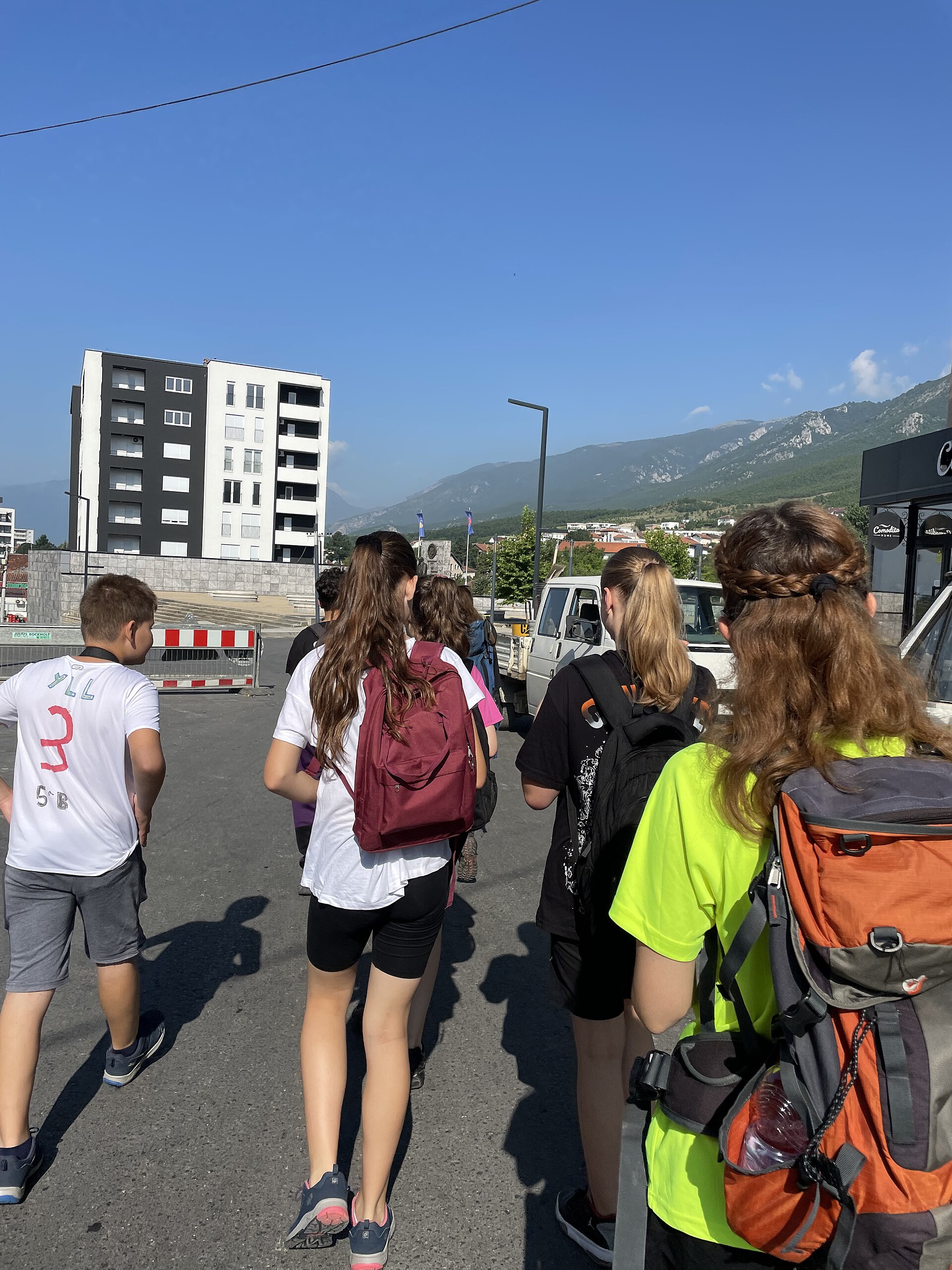
The park in Istog is one of those quiet places that doesn’t demand attention at first glance but slowly reveals its understated charm. Tucked into the heart of this small Kosovar town, it sprawls across gentle slopes where oak groves might once have rustled in the wind. Now, neatly trimmed trees and shrubs line its paths, offering shade and a sense of order. There are no grand fountains or towering monuments here, no crowds of tourists snapping photos—just smooth walkways, benches beneath linden trees, and wide lawns where locals spend their leisurely afternoons.
Istog’s history is woven into the fabric of the park, much like the town itself. The Balkans have seen their share of upheavals—Ottoman rule, the Yugoslav era, and the conflicts of the late 20th century—and Istog is no exception. The park likely took shape in the mid-20th century, when Yugoslavia embraced the idea of public spaces as gathering points for communities. These weren’t lavish projects but practical ones, designed for everyday life. In Istog, the park became a place where people could stroll, read, or meet friends without needing to spend money. It was never meant to impress; it was meant to serve.
The architecture here is simple but fitting. The entrance is marked by low stone arches, perhaps remnants of a larger design that never came to be. Now, they stand modestly, slightly weathered but not out of place. The pathways, laid with tiles that have cracked over time, add a touch of character rather than detracting from it. At the park’s center, a small amphitheater occasionally hosts concerts or performances by local groups. In the summer, chairs are set up, and people gather to listen to music under the open sky, the sound carrying softly through the trees.
What makes Istog’s park special is its atmosphere. There’s no hustle here, no pressure to perform for an audience. People come to unwind, not to pose. Mornings might find elderly men playing chess under the trees, while afternoons bring mothers with strollers or schoolchildren cutting through on their way home. Evenings see teenagers chatting quietly on benches or families spreading out picnics on the grass. On weekends, the park comes alive—someone strums a guitar, couples sway to impromptu music, and children kick balls across the lawn.
Winter transforms the park. The trees stand bare, the paths dusted with snow, and the benches empty. Yet even in the cold, it retains a quiet appeal. Locals still walk their dogs here, or take shortcuts through the park, their breath visible in the crisp air. Children build snowmen or sled down gentle slopes, turning the space into a different kind of playground. The park doesn’t feel abandoned; it simply adapts, its rhythm shifting with the seasons.
For Istog, this park is more than just green space—it’s a thread in the town’s daily life. Veterans gather here for meetings, and occasional craft fairs or charity events spill onto its lawns. In warmer months, nearby cafés and bakeries set up tables along the edges, blurring the line between park and street. The space becomes a crossroads for all kinds of people—students, retirees, business owners, and migrant workers—each finding their own way to use it.
Despite its unassuming appearance, the park reflects Istog itself: unpretentious but full of life, with a history that isn’t always obvious at first glance. There’s no luxury here, no tourist hype, just a sense of real, lived-in comfort. For visitors who stay in Istog for more than a day, the park offers a chance to slow down, to feel the town’s pulse, and to experience it the way locals do—without hurry, without spectacle, simply enjoying the quiet and the green.