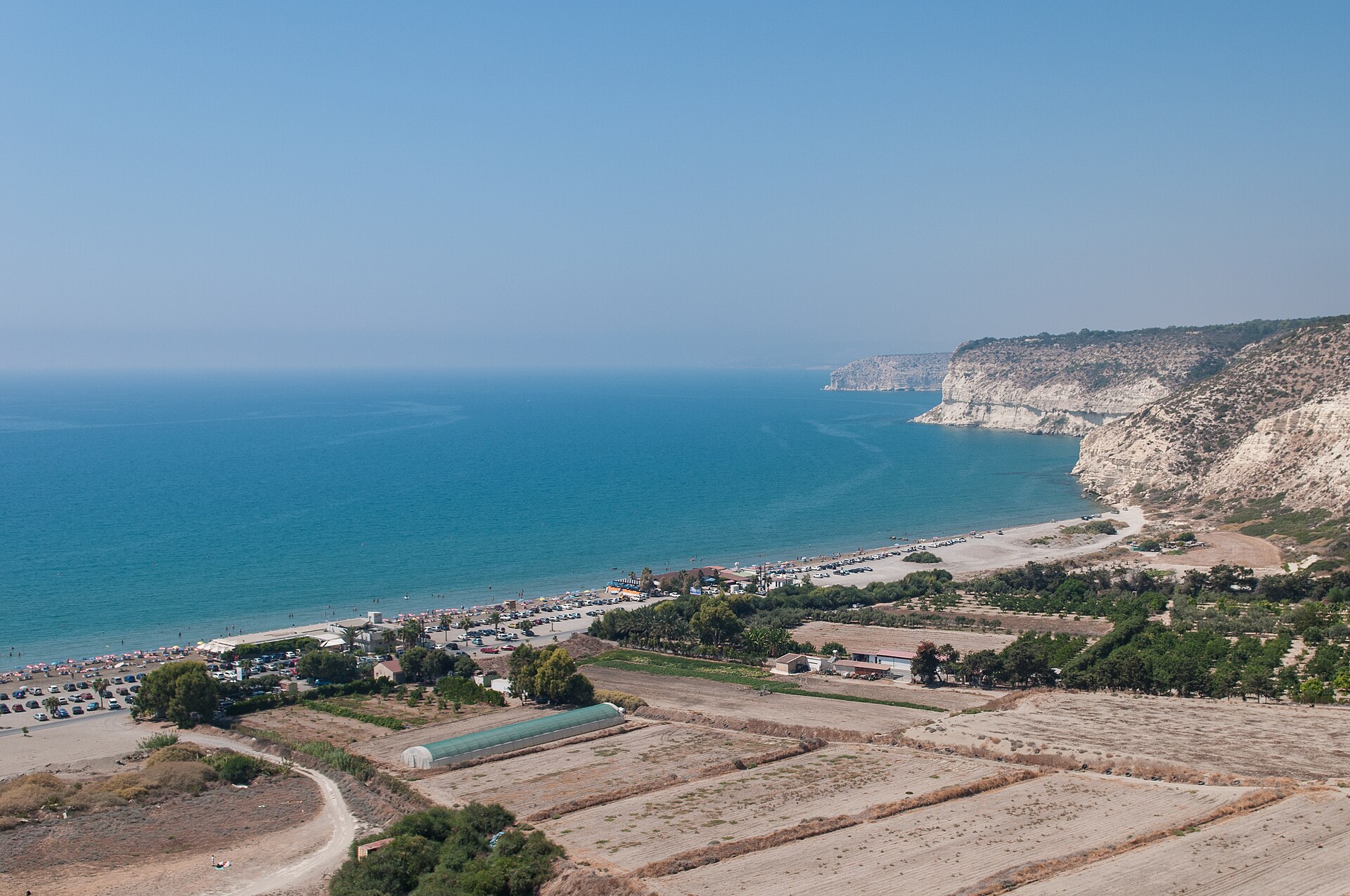
Episkopi Park is one of those quiet corners of Cyprus that guidebooks often overlook but visitors remember long after they’ve left. Tucked away in the village of the same name, perched on gentle hills a short distance from the coast, it feels worlds apart from the island’s crowded beaches and tourist hubs. There are no souvenir stands, no blaring music, no crowds—just the quiet rustle of leaves, the shade of old trees, and the sense that time moves a little slower here. The park itself is small but well-tended, with winding paths that lead past a mix of native and imported trees. In the heat of summer, it offers a cool retreat, while spring fills the air with the scent of blooming shrubs.
The village of Episkopi has deep roots, and the park fits naturally into its daily rhythm. These lands once belonged to Byzantine landowners, and later, under Venetian rule, fortified estates began to appear. The village itself dates back to at least the 12th century, though little remains from those early days. The park likely evolved from former farmland or private gardens, gradually becoming the communal space it is today. It’s a place where locals gather for walks, picnics, and conversations, yet it still carries the quiet weight of history.
The architecture here is unassuming but distinctly Cypriot. Low stone walls, wooden benches draped in ivy, and a few old wells give the park a lived-in charm. At its center stands a modest fountain, a favorite spot for villagers to gather. The water is clear and spring-fed, and on scorching days, people often stop by to fill their bottles. The fountain isn’t ornate—no marble or mosaics—but its simplicity feels timeless, as if it has always belonged here.
Episkopi Park isn’t the kind of place that dazzles with grand views or ancient ruins. There are no crumbling temples or medieval fortresses, but what it lacks in spectacle, it makes up for in authenticity. This is where you see Cyprus as it is when no tourists are watching. Mornings bring elderly couples strolling along the paths, afternoons see children playing under the trees, and evenings often find groups of friends gathered with guitars. In summer, small local festivals celebrate traditions, while winter rains turn the ground muddy and quiet, leaving the park nearly deserted.
The park is especially lovely in the off-season, when the heat eases and the landscape begins to shift. Autumn paints the trees in gold and crimson, and if you’re lucky, you might even glimpse rare snow dusting the distant hilltops. Spring transforms the park entirely—almond trees burst into delicate pink blossoms, and the air hums with the scent of earth and fresh grass. Birds fill the branches, their songs weaving through the rustling leaves.
For visitors, the park often serves as a starting point for exploring the village. From here, it’s easy to wander the narrow streets, peek into small shops selling local cheese and olive oil, or stop at a taverna for a taste of traditional dishes. Episkopi moves at its own unhurried pace, and tourists are rare enough that conversations with locals feel natural. Many are happy to share stories about the village’s past, pull out old photographs, or suggest other hidden spots worth visiting.
You won’t find Episkopi Park on most tourist maps, and that’s part of what keeps it so genuine. There are no multilingual signs, no souvenir stalls, no loud announcements—just a quiet green space behind a stone wall. To find it, you’ll either need to ask a local or wander the village until you stumble upon it. Maybe that’s why it feels so special: it doesn’t try to impress. It simply exists, woven into the daily lives of those who call this place home.
If you ever find yourself on Cyprus and want to experience something beyond the usual tourist trail, make your way to Episkopi. Walk the park’s paths, sit on a bench beneath an old plane tree, listen to the leaves whisper in the breeze, and let the unchanging rhythm of village life settle over you. In moments like these, you might just catch a glimpse of the real Cyprus—not the one on postcards, but the one that lingers in the quiet of small villages, in the shade of ancient trees, and in the stories shared by those who know it best.