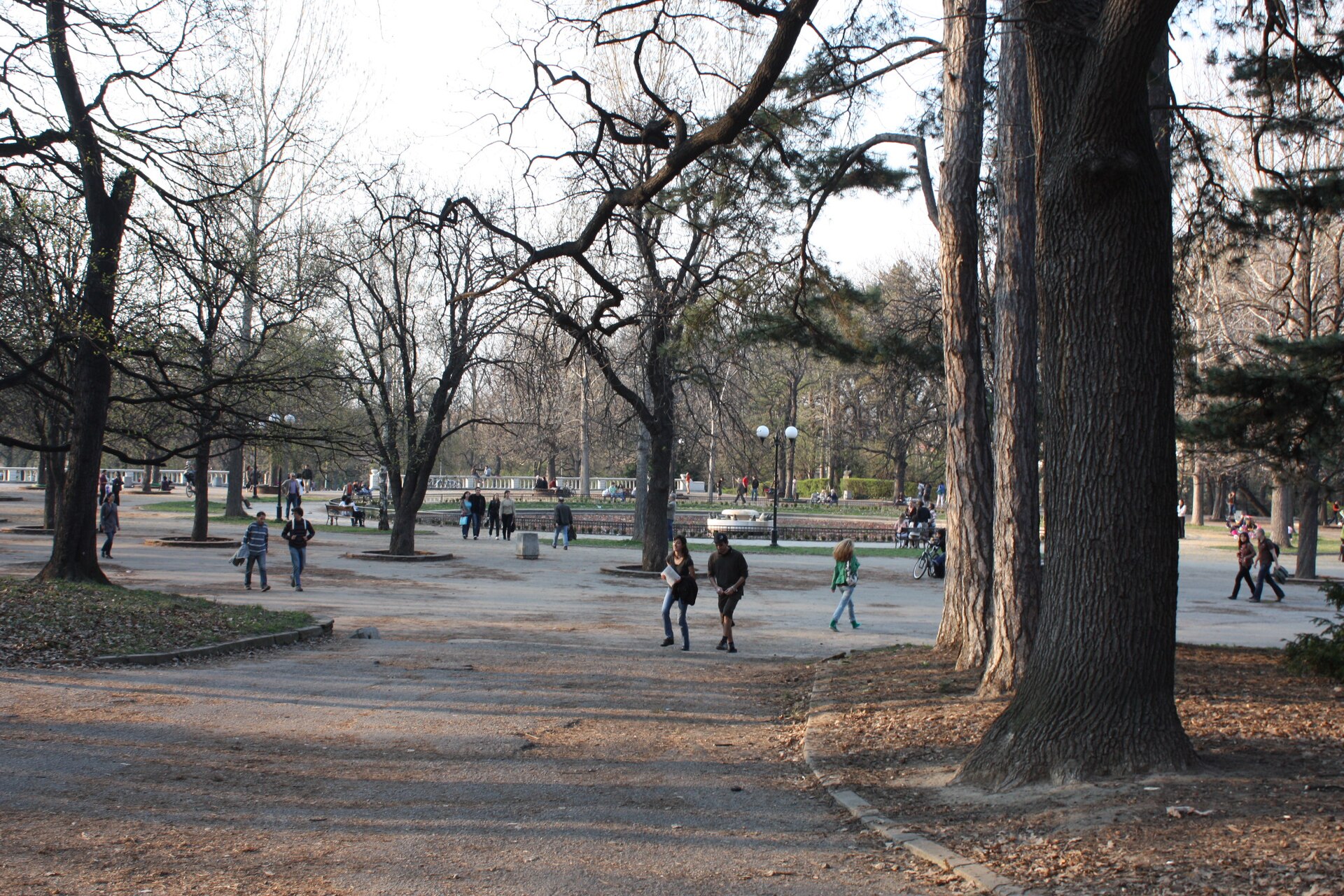
Borisova Gradina is Sofia’s oldest and largest park, a green expanse that has grown alongside the city itself. Established in the late 19th century, it was designed as a public space where Sofianites could escape the dust and noise of urban life. The park’s name honors Tsar Boris III, though its origins trace back to an earlier era when the area was little more than a marshy plain on the outskirts of town. Over time, it evolved from a modest garden into a sprawling landscape of winding paths, open meadows, and shaded groves, shaped by the hands of successive generations of gardeners and city planners.
The park’s layout reflects the changing tastes of its creators. Early designs followed the romantic English style, with meandering walkways and artificial lakes that mimicked natural landscapes. Later, as Sofia expanded, the park absorbed new elements—sports fields, a rowing canal, and even a small stadium—each addition marking a shift in how the city saw its relationship with nature. Today, Borisova Gradina feels like a patchwork of these different eras, where formal flowerbeds sit beside wild thickets, and quiet benches share space with bustling playgrounds.
One of the park’s most distinctive features is its collection of trees, some of which have stood here for over a century. Towering oaks, chestnuts, and lindens provide shade in the summer and a riot of color in the autumn, while the occasional exotic species hints at the ambitions of past gardeners. In spring, the air is thick with the scent of blossoms, and the paths fill with people strolling, jogging, or simply sitting on the grass with a book. The park’s lakes, though smaller than they once were, still attract ducks and herons, and on warm evenings, the water reflects the glow of the city lights.
Borisova Gradina has always been more than just a park—it’s a place where Sofia’s history unfolds in subtle ways. During the early 20th century, it was a gathering spot for intellectuals and artists, who would meet under the trees to debate politics or recite poetry. Later, it became a stage for public celebrations, from military parades to concerts and festivals. Even today, the park retains this sense of communal life. On weekends, families picnic on the lawns, children chase each other around the playgrounds, and elderly couples walk arm in arm along the gravel paths.
The park’s architecture is understated but telling. The stone bridges over the lakes, the ornate lampposts, and the occasional monument—like the one dedicated to the Soviet Army—speak to different chapters in Bulgaria’s past. Some of these structures have weathered better than others; the Soviet monument, for instance, has been a subject of controversy, its presence a reminder of the country’s complex relationship with its 20th-century history. Nearby, the more modest memorials to Bulgarian writers and revolutionaries blend quietly into the landscape, their stories known mostly to those who seek them out.
For many Sofianites, Borisova Gradina is a constant in a city that has changed dramatically around it. It’s where they go for their first bike ride, their first kiss, or their first morning run. The park has seen generations come and go, its trees growing taller as the city’s skyline rises in the distance. In winter, the paths are lined with snow, and the lakes freeze over, turning the park into a quiet, almost magical space. In summer, it’s alive with the sounds of laughter, music, and the occasional street performer.
Despite its size, the park never feels overwhelming. It’s divided into distinct areas, each with its own character. The northern section, near the National Palace of Culture, is more formal, with manicured lawns and flowerbeds. The southern part, closer to the city center, is wilder, with dense thickets and hidden clearings. The rowing canal, once a hub of athletic activity, now sits quietly, its still waters reflecting the surrounding greenery. And then there’s the stadium, a relic of the park’s mid-century heyday, its concrete stands now mostly empty but still evoking the energy of past sporting events.
Borisova Gradina is a place where Sofia breathes. It’s not the most famous park in Europe, nor the most meticulously designed, but that’s part of its charm. It has grown organically, shaped by the needs and whims of the city it serves. There are no grand vistas or dramatic landmarks here—just the quiet beauty of trees, water, and open space. For those who live in Sofia, it’s a familiar retreat, a place to slow down and remember what the city was like before the traffic and the high-rises. For visitors, it offers a glimpse into the everyday life of the Bulgarian capital, a side of Sofia that’s often overlooked but deeply loved.