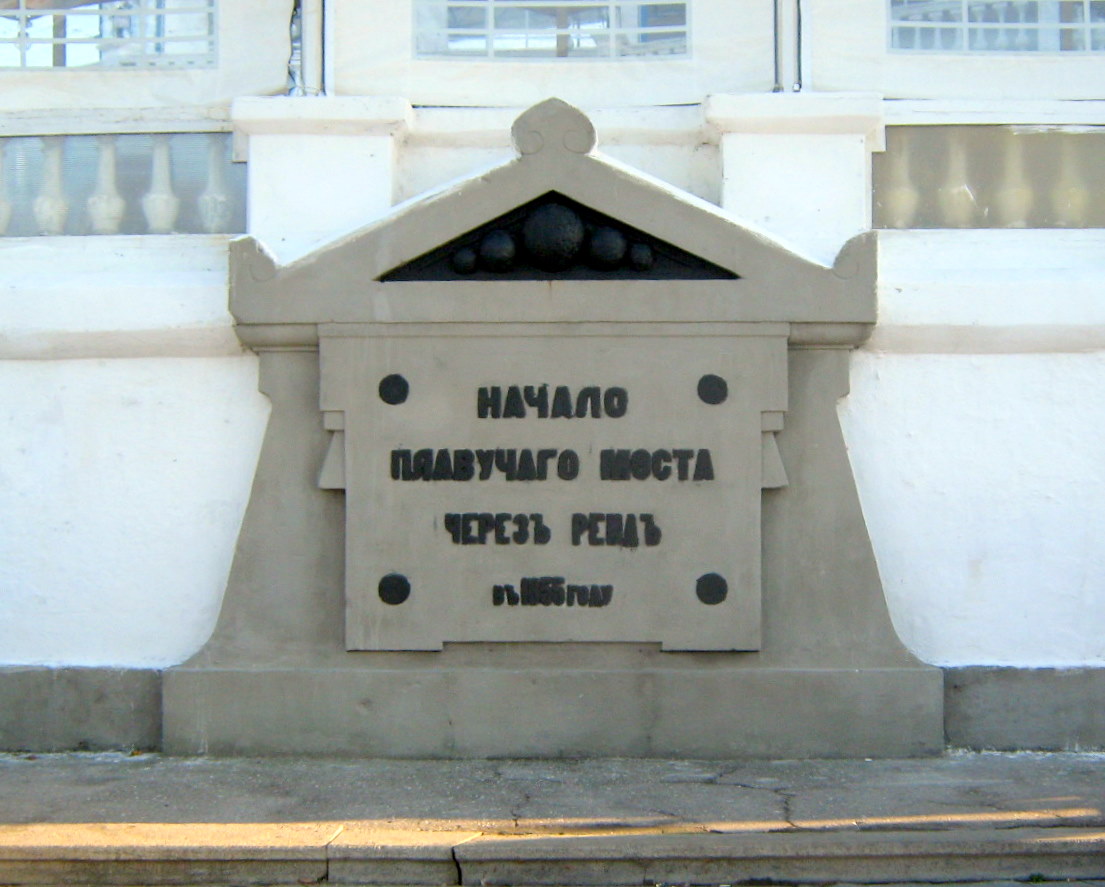
On the Sevastopol waterfront, where the vast expanse of the bay begins, a modest memorial stands almost unnoticed. It marks the starting point of the first floating bridge ever built across the bay—a structure that played a quiet but crucial role in the city’s history. Today, it’s more than just a point on a map. It’s a reminder of how people once overcame natural barriers long before modern engineering made such feats seem ordinary.
The bridge was constructed in 1854, during the height of the Crimean War, when Sevastopol found itself under siege. The city’s survival depended on swift communication between its northern and southern shores, and the floating bridge became the answer. Made of linked pontoons, it stretched nearly half a kilometer across the water, serving as both a vital supply route and a symbol of resilience. For months, it carried soldiers, ammunition, and food, proving that even in the darkest times, necessity could spark ingenuity.
The memorial itself is simple—a granite stele with a plaque, set on a small pedestal. Nearby, an anchor rests, a nod to the city’s deep maritime roots. The location isn’t accidental; this was where the bridge began, right at Grafskaya Pier, the very spot that connected the two sides of the city during its most desperate days. Now, passersby often pause here, glancing at the bay, trying to imagine the scene: boats gliding across the water, the bridge swaying under the weight of soldiers and supplies, the constant hum of activity that once filled this space.
Sevastopol Bay has always been the city’s lifeblood. Over the centuries, its waters have seen merchant ships, warships, and fishing boats come and go. The floating bridge was just another chapter in that long history. After the war, its strategic importance faded, but the memory of it endured. Today, modern bridges and ferries cross the bay, yet that first, temporary structure remains a testament to human determination. It wasn’t just a bridge; it was a lifeline when the city needed it most.
For locals, this spot is woven into the fabric of their shared past. Guides often bring visitors here, recounting the stories of the Crimean War, the bravery of Sevastopol’s defenders, and how a simple engineering solution helped sustain a city under siege. Tourists, too, stop by, drawn not by grand monuments but by the quiet weight of history. The bay’s waves lap against the shore, the wind carries the scent of salt, and for a moment, it’s easy to feel the echoes of the past—of the men who once crossed that bridge, of the city that refused to fall.
Floating bridges weren’t unique to Sevastopol. They’ve been used in conflicts and emergencies around the world, wherever a quick crossing was needed. But this one was different. It wasn’t just a military necessity; it embodied the spirit of a city that had always lived by and for the sea. Even after the bridge was dismantled, its legacy lived on, inspiring future projects, including the modern spans that now cross the bay.
Unlike the bustling Grafskaya Pier or the solemn Malakhov Kurgan, this memorial doesn’t draw crowds. It’s unassuming, almost easy to miss, yet no less meaningful. There are no grand inscriptions or towering statues, just a quiet marker where history speaks for itself. All it takes is a moment to stand here, to look across the water, and to imagine the bridge stretching into the distance, carrying the hopes of a city under fire.
Time moves on, and Sevastopol changes with it, but the bay remains the same. It still divides the city, still holds the memories of those who came before. The memorial at the start of the floating bridge isn’t just a tribute to the past; it’s a thread in the living story of the city, connecting generations. Here, you can reflect on how fragile and yet how enduring human life can be—how much depends on the choices we make, and how much we owe to those who came before us.