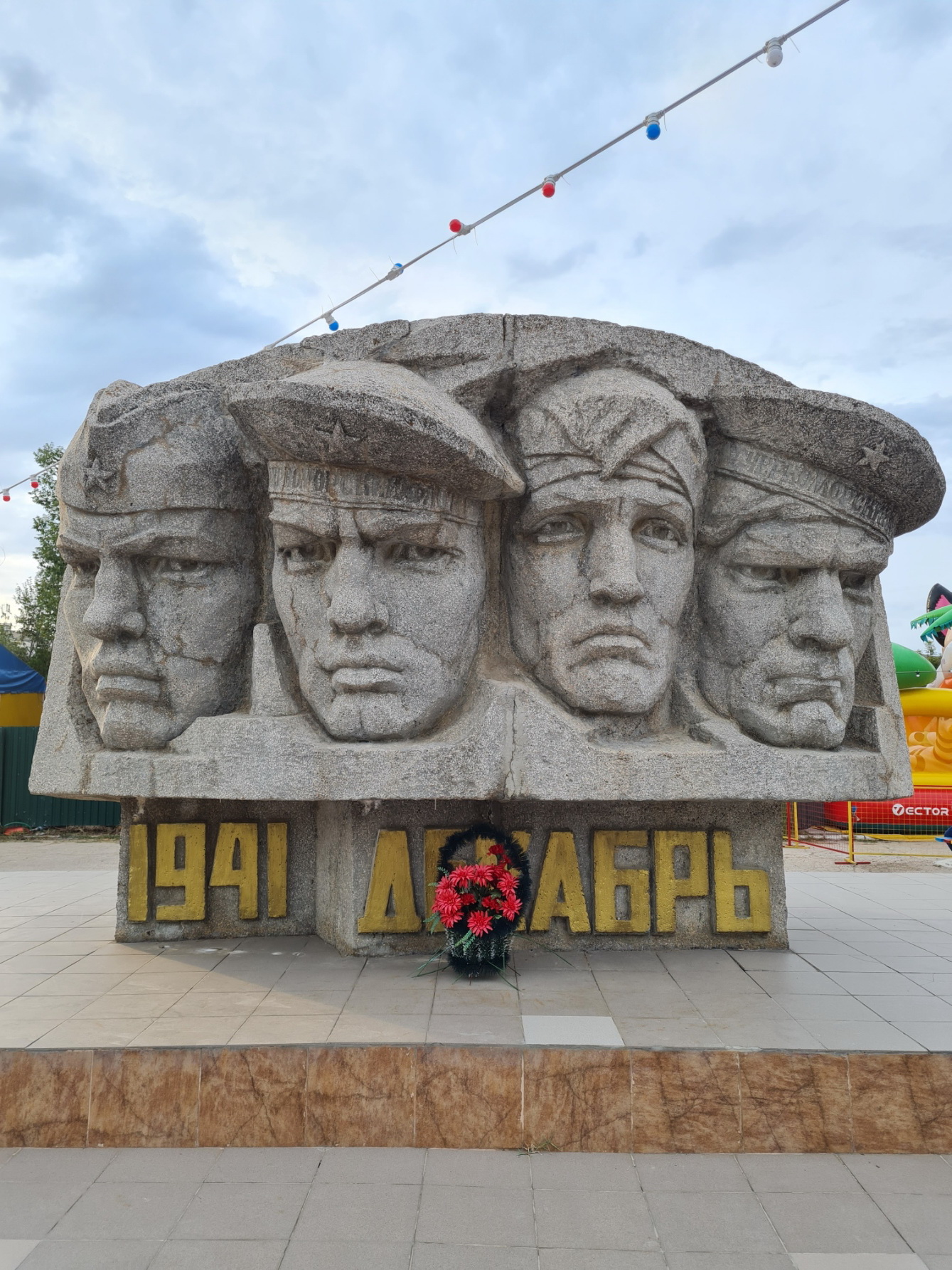
On Crimea’s eastern coast, where mountains ease into low hills before vanishing into the sea, a monument resists the usual war memorial tropes. It doesn’t dominate the landscape. It doesn’t shout. Instead, it settles into the shore like it’s always belonged—where wormwood and salt thicken the wind. This is where, in November 1943, a small group of Soviet soldiers came ashore to help push German forces out of Crimea.
Around two hundred men. Their orders: break enemy lines, hold the position, and open a path for the main Soviet advance. Many didn’t return. The memorial stands at the foot of Kuchuk-Yenishar mountain because that’s where the fighting was fiercest—sea on one side, rocky slopes on the other. November 1943 was brutal: cold, stormy, with the enemy dug into the high ground. The soldiers held out for days, pulling enemy forces away from other fronts. They eventually retreated, but their sacrifice shifted the battle for the Kerch Peninsula.
The memorial is quiet but deliberate. A granite stele holds a bas-relief of a soldier mid-stride, rifle in hand. An anchor nearby marks the naval landing. The inscription names the dead. The design is spare, but it works—war’s brutality, the humanity of those who fought it. The granite has darkened over time, its surface cracked by weather. The stone feels heavier for it.
Why isn’t the Koktebel landing in history textbooks? Maybe because it wasn’t a massive operation. It was a gamble. Every life mattered. The soldiers knew their odds were bad. They went anyway. Their bravery didn’t become legend, but in Koktebel, it’s still remembered. Every November, people gather here—veterans, locals, visitors—to lay flowers.
The monument sits on the village’s edge, away from tourist routes. No signs point the way. Many pass without noticing. But those who find it often stay longer than planned. Is it the quiet? The view of the sea, where waves seem to carry distant gunfire? Or is it that the memorial doesn’t demand anything—it just exists?
Koktebel’s history and nature are tangled. Every hill, every bay has a story. This memorial is one of them—the most somber. It reminds you that this coast, now linked to leisure and Maximilian Voloshin’s poetry, was once a battlefield. The war ended decades ago, but its traces linger in the air.
No fence. No rules. You can walk right up, touch the stone, sit on the bench. Summer brings heat shimmering off the granite. Winter coats everything in frost. The place always feels the same—quiet, dignified. It asks you to stop, think, remember. You don’t need to know the details to feel that something important happened here.
The Koktebel landing was about quiet courage—people doing what they had to, even when they knew it might kill them. The memorial isn’t grand. It’s a witness. For those who never left this shore, the war never ended. Today, tourists fill these beaches. Music drifts through the village at night. But this place holds another Koktebel—harsh, tragic, unbroken.