Standing on a quiet rise near the heart of Sevastopol, the monument to Admiral Mikhail Lazarev marks a place where the city’s past feels close. Erected in 1867 after the Crimean War, it was one of the first signs of recovery, a choice to honor those who had built something lasting here.
Lazarev’s bronze figure shows him in full uniform, a spyglass in hand. The sculptor captured more than his rank—there’s the steady gaze of someone who spent years at sea, making decisions that shaped fleets and ports. The dark granite pedestal is simple, letting the figure speak for itself.
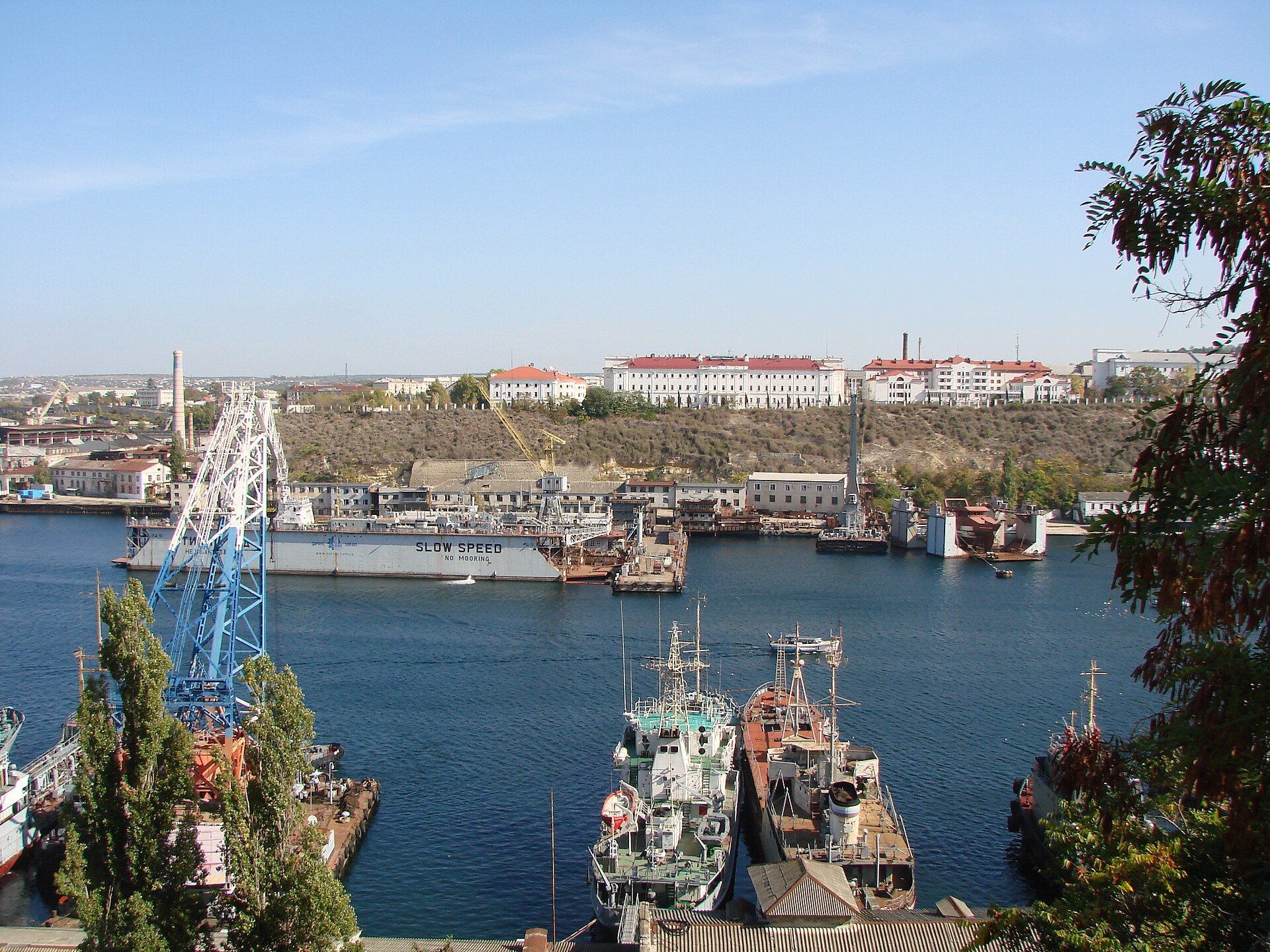
The statue overlooks Lazarev Square, a short walk from Primorsky Boulevard and Grafskaya Quay. From here, you see Sevastopol Bay, the same waters Lazarev knew during his service. The small park around the monument offers shade and a place to sit. On clear days, the bay glints in the sunlight, and you can imagine the scene as it was in his time—less crowded, but just as vital.
Lazarev was a naval officer and an explorer. He sailed on round-the-world voyages, charted parts of the Antarctic, and later commanded the Black Sea Fleet. Under his leadership, Sevastopol took shape—stone buildings replaced temporary structures, coastal batteries were strengthened, and the foundations of a naval stronghold were laid. The monument honors not just one man but an era when Russia was asserting its place on the Black Sea.
The statue has become part of the city’s daily life. Tourists photograph it, locals use it as a meeting point, and on naval holidays, flowers appear at its base. Sometimes, small gatherings or historical talks happen nearby. Most days, it’s a quiet spot to pause.
The surrounding buildings, though built in different periods, share a connection to the city’s maritime past. Some date back to Lazarev’s time, others came later, but together they create a sense of continuity.
For those curious about naval history, the monument is a starting point. From here, it’s a short walk to the Naval Museum or down to Grafskaya Quay, where ships once set out under Lazarev’s command. The area gives a sense of 19th-century Sevastopol—ordered, disciplined, and built to serve the fleet. The streets are wide, the architecture solid, and the bay always visible.
The monument fits into the present without standing out. It’s not a relic but part of the city’s fabric, a reminder that Sevastopol’s identity has always been tied to the sea. It’s about the generations of sailors, officers, and workers who shaped the city. You don’t need to know Lazarev’s life to feel that history—it’s in the air, in the bay stretching before you, in the sense of purpose that still defines this place.