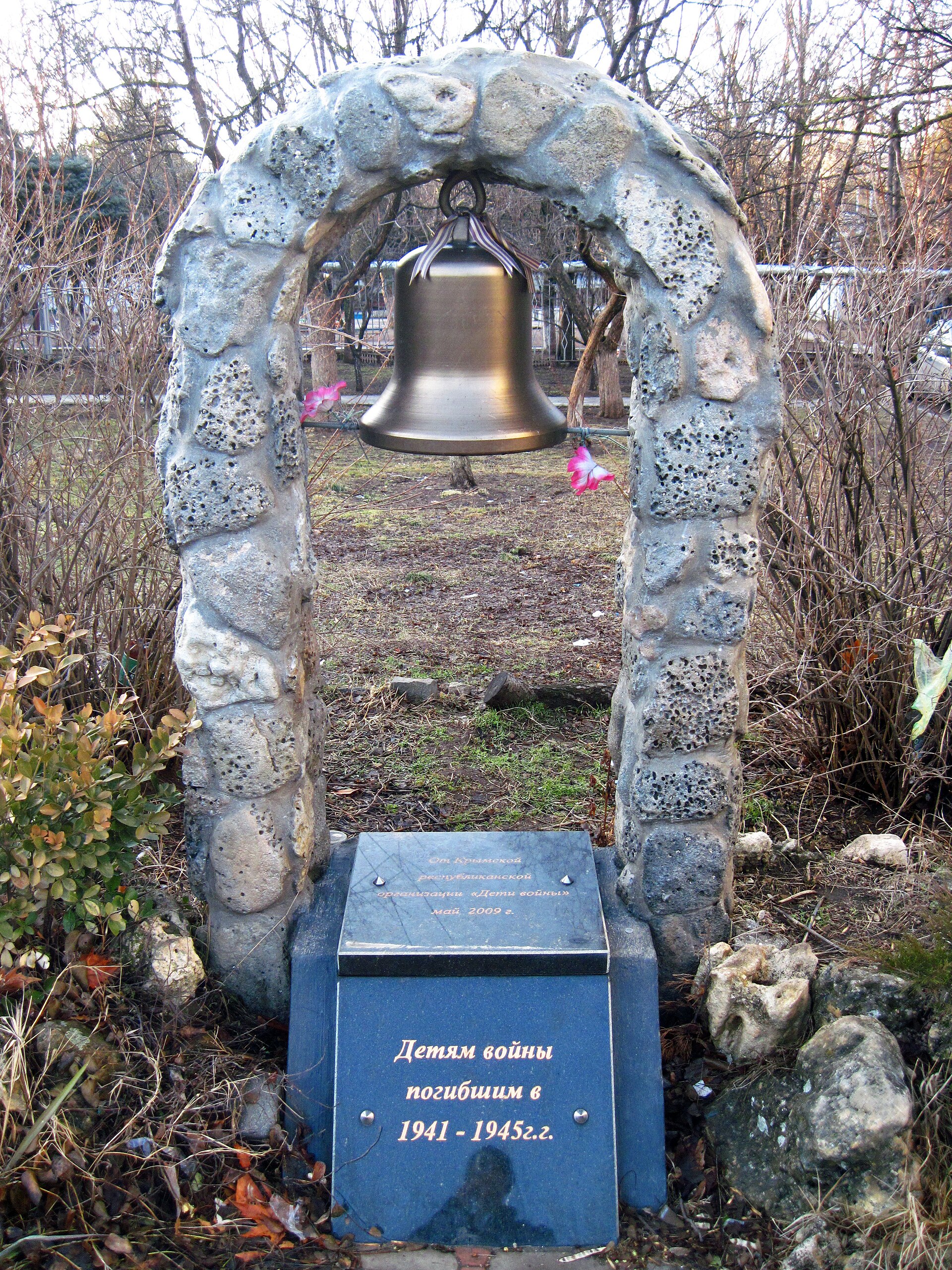
In a quiet corner of Simferopol, away from the city’s bustling avenues and grand squares, stands a monument that carries the weight of an often-overlooked tragedy. The memorial to the Children of War, who perished between 1941 and 1945, is not a place of grand declarations or heroic poses. Instead, it is a space for reflection, where the past lingers in the form of a small, solitary figure—a child clutching a toy. The gesture is simple, almost understated, yet it speaks volumes about the innocence lost to a conflict that spared no one, least of all the young.
Simferopol endured nearly two and a half years of occupation during World War II. The city was bombed, looted, and repurposed as a rear base for German forces. Among the hardest hit were the children—those who couldn’t be evacuated in time, who were left orphaned, homeless, and starving. Many were sent to concentration camps, forced into labor alongside adults, or executed without a second thought. Historians estimate that thousands of children in Crimea perished during those years, though the exact number remains unknown. The war didn’t just disrupt their lives; it erased their futures, leaving behind only fragments of what might have been.
The idea to honor these young victims emerged during the Soviet era, but it wasn’t until the early 2000s that the memorial took shape. Local sculptor Evgeny Yablonsky designed the monument, choosing not to depict heroism or defiance, but vulnerability. The bronze figure of the child, standing on a dark granite pedestal, is small and fragile, its posture conveying quiet sorrow rather than triumph. The toy in its arms—a symbol of childhood that should have been filled with play and laughter—now serves as a silent witness to what was stolen. The memorial doesn’t demand attention; it invites contemplation, asking visitors to pause and consider the human cost of war.
The design is deliberately unadorned. There are no dramatic flourishes, no calls for vengeance, just the raw, unfiltered grief of a generation that never had the chance to grow up. The dark granite of the pedestal contrasts with the bronze of the sculpture, its patina deepening over time, as if to suggest that while the years may pass, the pain never truly fades. The simplicity of the composition ensures that the focus remains on the child, on the lives cut short, and on the collective memory that refuses to let them be forgotten.
Surrounding the monument is a small park, a peaceful enclave where the noise of the city fades into the background. There are no cafes or playgrounds here, just trees, benches, and winding paths leading to the memorial. On certain days—Victory Day, the Day of Remembrance and Sorrow—locals bring flowers, their bouquets adding splashes of color to the somber scene. Sometimes, school groups visit for lessons on courage, their voices hushed as they listen to stories of what happened here more than eight decades ago. The park doesn’t feel like a tourist attraction; it feels like a place of quiet reverence, where the past is acknowledged without fanfare.
What makes this memorial different from others in Simferopol is its lack of grandeur. There are no grand speeches here, no orchestrated ceremonies. People come in small groups or alone, drawn by a need to remember rather than to perform. The absence of pomp is part of its power—it doesn’t dictate how one should feel, but creates a space where emotions can surface naturally. The memorial doesn’t glorify war; it mourns its victims, particularly those who were too young to understand what was happening to them.
Over time, an unspoken code of conduct has developed around the monument. Visitors don’t pose for photos in front of it, nor do they treat the space like a casual gathering spot. Even children playing nearby instinctively lower their voices as they approach, as if sensing the weight of what the memorial represents. This isn’t a place for celebration or commemoration in the traditional sense. It’s a place for quiet reflection, a reminder that war doesn’t just claim lives—it steals futures, leaving behind only echoes of what might have been.
The memorial to the Children of War doesn’t tell the story of great battles or strategic victories. Instead, it speaks to the personal tragedies that often get lost in the broader narrative of history. It’s a reminder that war is never an abstract concept—it arrives at people’s doorsteps, shattering lives and leaving scars that last for generations. In a city with multiple monuments to the war, this one stands out for its raw honesty. It doesn’t offer closure or resolution, just a space to remember, to mourn, and to carry the past forward with humanity.