Palazzo Blu is one of those quiet places in Pisa that doesn’t demand attention with grand facades or ornate decorations, yet its walls seem to hold the weight of centuries. Tucked along the Arno River in the heart of the old city, it doesn’t compete with the more famous landmarks like the Piazza dei Miracoli. Instead, it offers something rarer—a glimpse of Pisa as it truly is, away from the tourist crowds, where time moves at its own unhurried pace and the past feels alive in the details.
The building dates back to the 14th century, originally serving as a residence for the city’s noble families. Over the years, it passed through the hands of the Gualfredi, Sismondi, and eventually the Medici, each leaving their mark on its architecture. The facade, modest in its Tuscan style, doesn’t overwhelm with opulence, but its proportions and craftsmanship reveal the work of skilled artisans who shaped much of Pisa’s skyline. The real charm lies within, particularly in the inner courtyard, where weathered columns and fragments of frescoes hint at the palace’s former grandeur.
Today, Palazzo Blu is more than just a historic building—it’s a cultural hub that hosts exhibitions, concerts, and lectures throughout the year. The collections inside are diverse, ranging from paintings and sculptures to antique maps, rare books, and decorative arts. One of the highlights is the gallery dedicated to Pisan artists from the 19th and 20th centuries, offering a chance to see how the city’s artistic identity evolved over time. The exhibitions change regularly, so even repeat visitors might find something new with each return.
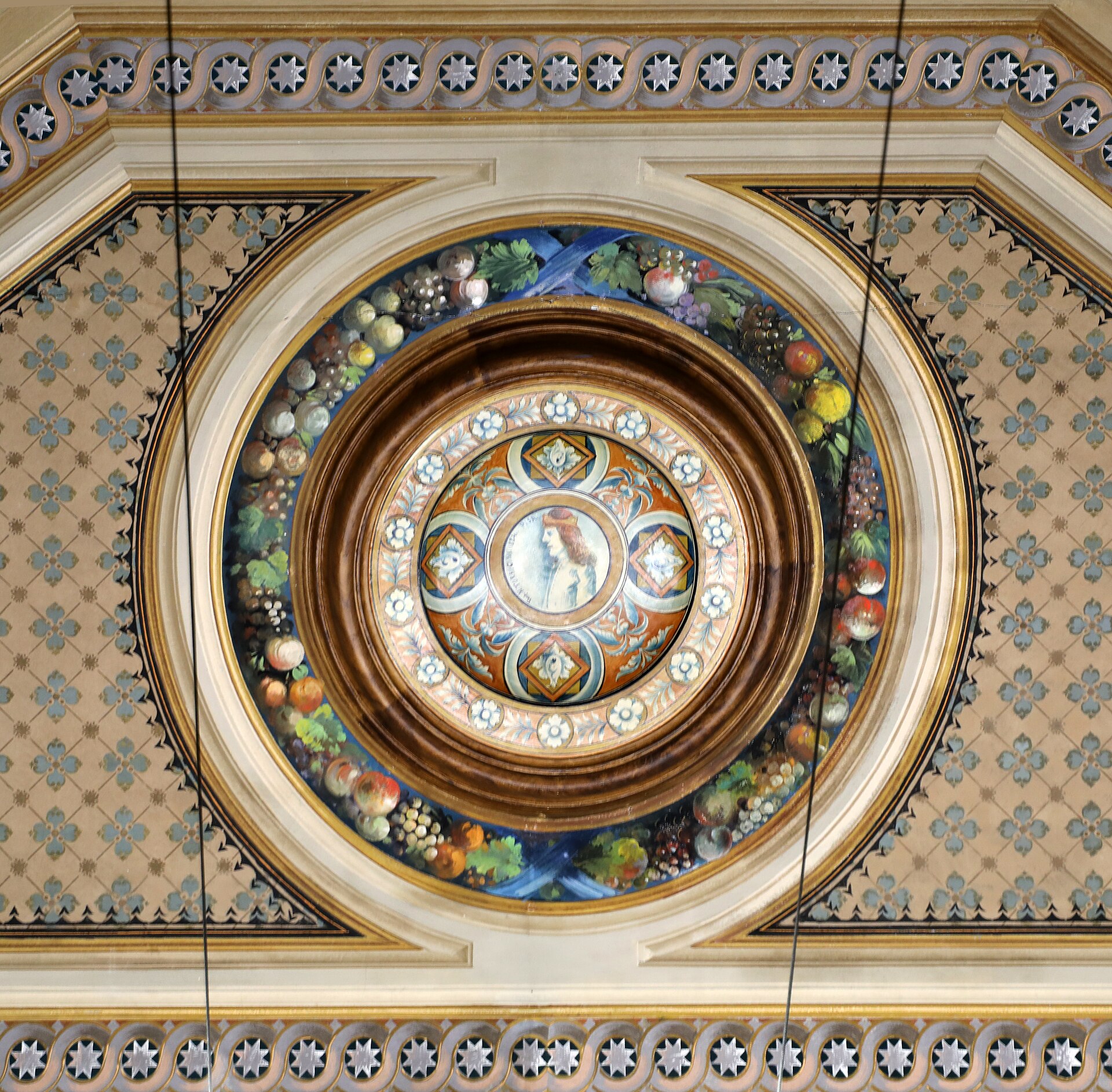
The interiors of the palace are a blend of old and new, where different eras coexist without clashing. Some rooms still feature original ceiling frescoes depicting mythological scenes, intricate stucco work, and carved wooden panels that once adorned the homes of aristocrats. Others have been adapted for modern exhibitions, their spaces transformed to suit the needs of contemporary art. This contrast creates a unique atmosphere, as if the past and present are engaged in a quiet conversation, each enhancing the other.
What makes Palazzo Blu special is how seamlessly it fits into the fabric of the city. From its doors, you’re just steps away from the Arno’s embankment, where the river reflects the changing light and the old bridges stretch across the water. Nearby, small cafés and shops sell local products—aged cheeses, fragrant olive oil, and traditional sweets. In the evenings, when the tourist crowds thin, the square in front of the palace comes alive with locals gathering, music drifting through the air, and the scent of Tuscan cooking lingering in the breeze.
For those who want to experience Pisa beyond the usual postcard sights, Palazzo Blu is an ideal starting point. There are no crowds here, no rushed itineraries—just the quiet rhythm of a place that has witnessed centuries of life. The palace invites you to linger, to notice the details that usually go unnoticed, and to feel the pulse of a city that exists independently of its visitors. It’s a place for those who appreciate authenticity as much as beauty.
Unlike traditional museums, Palazzo Blu doesn’t impose a rigid experience. There are no mandatory guided tours or audio guides dictating where to go or what to see. Visitors are free to wander, spending time in the rooms that interest them and moving on when they’re ready. Occasionally, a small concert or poetry reading might take place in one of the halls—these events often happen spontaneously, adding an element of surprise. You never quite know what you’ll find behind the next door, and that unpredictability is part of the palace’s appeal.
If you find yourself in Pisa, resist the urge to rush straight to the Leaning Tower. Instead, take an hour or two to visit Palazzo Blu. It might be here that you discover what draws people to Europe’s old cities in the first place—the sense of time slowing down, where every stone, every painting, and even the silence of the halls has a story to tell. Afterward, you can step outside, order a glass of local wine, and sit by the river, watching the water flow just as it has for centuries, carrying with it the echoes of all those who have walked these streets before.