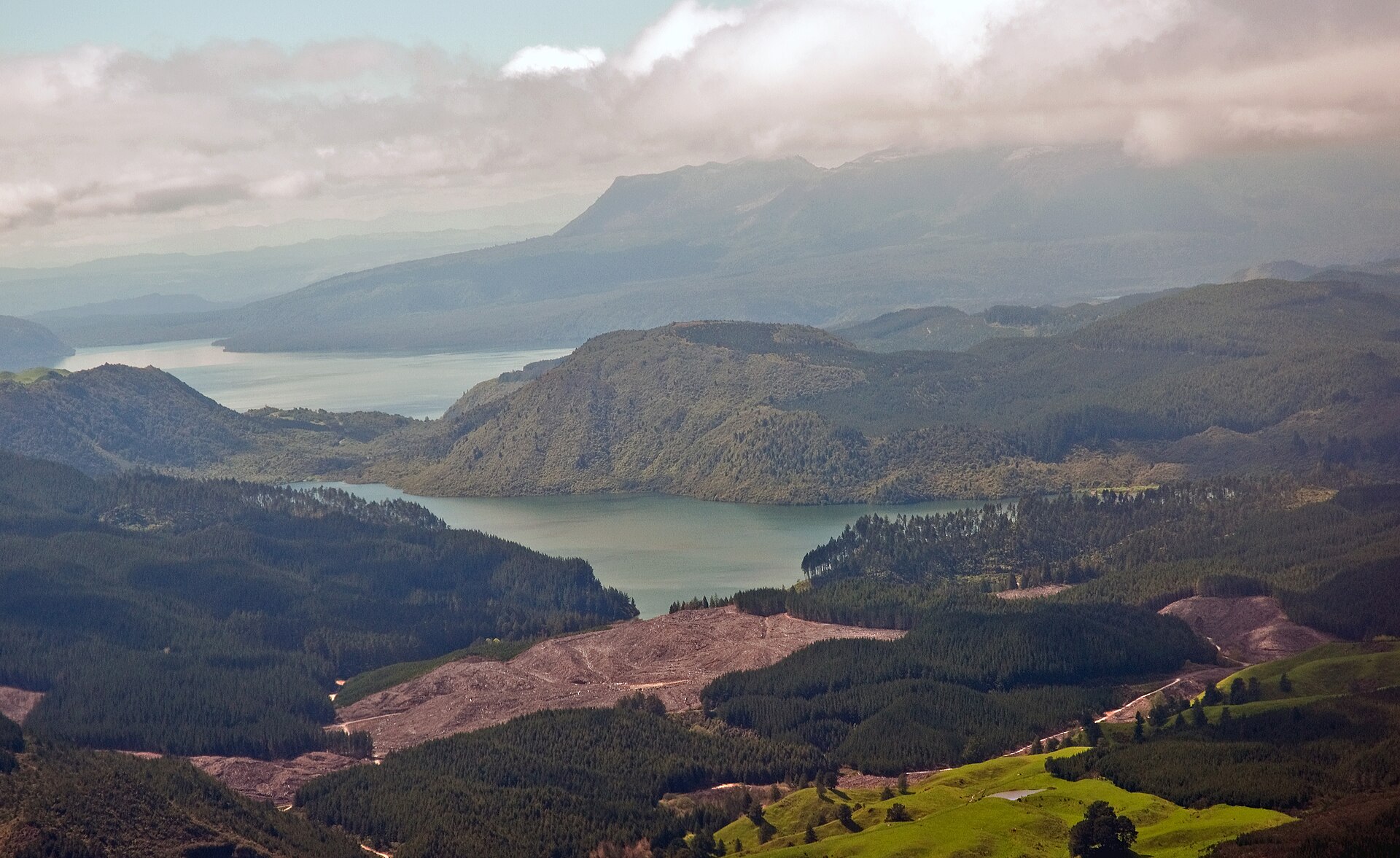
Lake Tarawera sits in the heart of New Zealand’s North Island, a short drive from Rotorua, where the land still hums with the quiet power of its volcanic past. It’s not just a body of water—it’s a place where history and nature intertwine so closely that every ripple on the surface, every shadow cast by the surrounding hills, seems to carry a story. The lake is framed by dense forests and rolling hills, its shores shifting from gentle sandy beaches to steep cliffs that drop sharply into the dark water. On clear days, the lake appears almost black, its depth and volcanic origins giving it an eerie stillness. But when the sun dips low, the water catches the light, turning to liquid gold and crimson, as if the earth itself is breathing.
This wasn’t always a place of calm. In June 1886, the land here erupted in one of New Zealand’s most violent natural disasters. Mount Tarawera, long dormant, woke with a force that shook the island. The explosion was heard hundreds of kilometers away, and a towering column of ash rose twenty kilometers into the sky. The eruption obliterated the Pink and White Terraces, a natural wonder once called the eighth in the world, drawing travelers from across the globe. Today, only old photographs and fading memories remain of those terraces, but the lake itself bears the scars of that night. Its depths are littered with volcanic debris, and the shape of its shoreline still hints at the raw power that once reshaped the land.
For the Māori of Te Arawa, Lake Tarawera is more than a geographical feature—it’s a living part of their culture and spirituality. Legends speak of ancestral spirits dwelling in its waters, and the lake is said to hold a sacred energy. Even now, you can find marae—sacred meeting grounds—scattered through the surrounding forests, where traditional ceremonies still take place. Visitors often sense this connection to the past, the stillness broken only by birdsong or the lap of water against the shore. It’s easy to imagine how people lived here centuries ago, their lives woven into the rhythms of the land.
The area around the lake is crisscrossed with walking trails, each leading to a different facet of this landscape. One path takes you to the Tarawera Falls, where water plunges into a narrow gorge, mist rising in the sunlight. Another climbs the hills, offering sweeping views of the lake and the valleys beyond. The forests here are ancient, filled with towering tree ferns and the occasional kauri, their gnarled roots gripping the earth. The air is thick with the scent of damp soil and pine, and even in the busier months, it’s possible to find a quiet spot along the shore, where the only sounds are the wind in the trees and the distant call of a tūī.
The water in Lake Tarawera stays warm year-round, a reminder of the geothermal activity simmering beneath the surface. Hot springs bubble up along the shores, and in some places, the lakebed releases streams of gas, creating faint ripples on the water. Locals sometimes bathe in these natural pools, warmed by the earth’s heat, and visitors can do the same, floating in water that carries the memory of ancient upheavals. It’s an odd sensation—swimming in a lake that feels alive, knowing that beneath you lies the evidence of forces that have shaped this land for millennia.
Despite its turbulent history, Lake Tarawera today is a place of quiet beauty. There are no crowded resorts or flashy attractions here, just the lake and the land around it, offering a chance to step away from the noise of the modern world. Boats glide across the water, fishermen cast their lines from the shore, and families spread out picnics under the trees. In the evenings, as the sun sinks behind the hills, the lake darkens, and the only lights are the flickering lanterns of those still lingering by the water. Time seems to slow here, as if the land itself is inviting you to pause and listen.
For those who want to dig deeper into the lake’s past, there are museums and visitor centers nearby, where you can see artifacts from the 1886 eruption and hear stories of the Māori who lived through it. But even without them, the lake tells its own story. You only have to look at the way the cliffs rise from the water, or listen to the rustle of the forest, or feel the warmth of the earth beneath your feet. Tarawera doesn’t shout about its beauty—it doesn’t need to. There’s a quiet dignity here, a sense that this place has seen both destruction and renewal, and that it will endure long after we’re gone.
Winter transforms the lake into something almost mystical. Cold winds sweep across the water, leaving faint ripples in their wake, and on frosty mornings, the shores glisten with ice. In summer, the landscape comes alive—wildflowers bloom along the banks, birds dart over the water, and the air is filled with the hum of insects. Kayakers paddle across the surface, while others simply lie on the grass, staring up at the endless sky. No matter the season, Tarawera offers the same thing: space, silence, and the rare chance to feel small in the best possible way.
This isn’t a place for those seeking excitement or luxury. There are no high-end hotels or trendy restaurants, just the raw, unfiltered beauty of the natural world. What you’ll find instead is something far more valuable—the chance to see the land as it once was, to feel the weight of history in the air, and to understand how fragile the world around us can be. Lake Tarawera isn’t just a destination; it’s a reminder that nature is always in control, and that even in destruction, there is a kind of quiet, enduring grace.