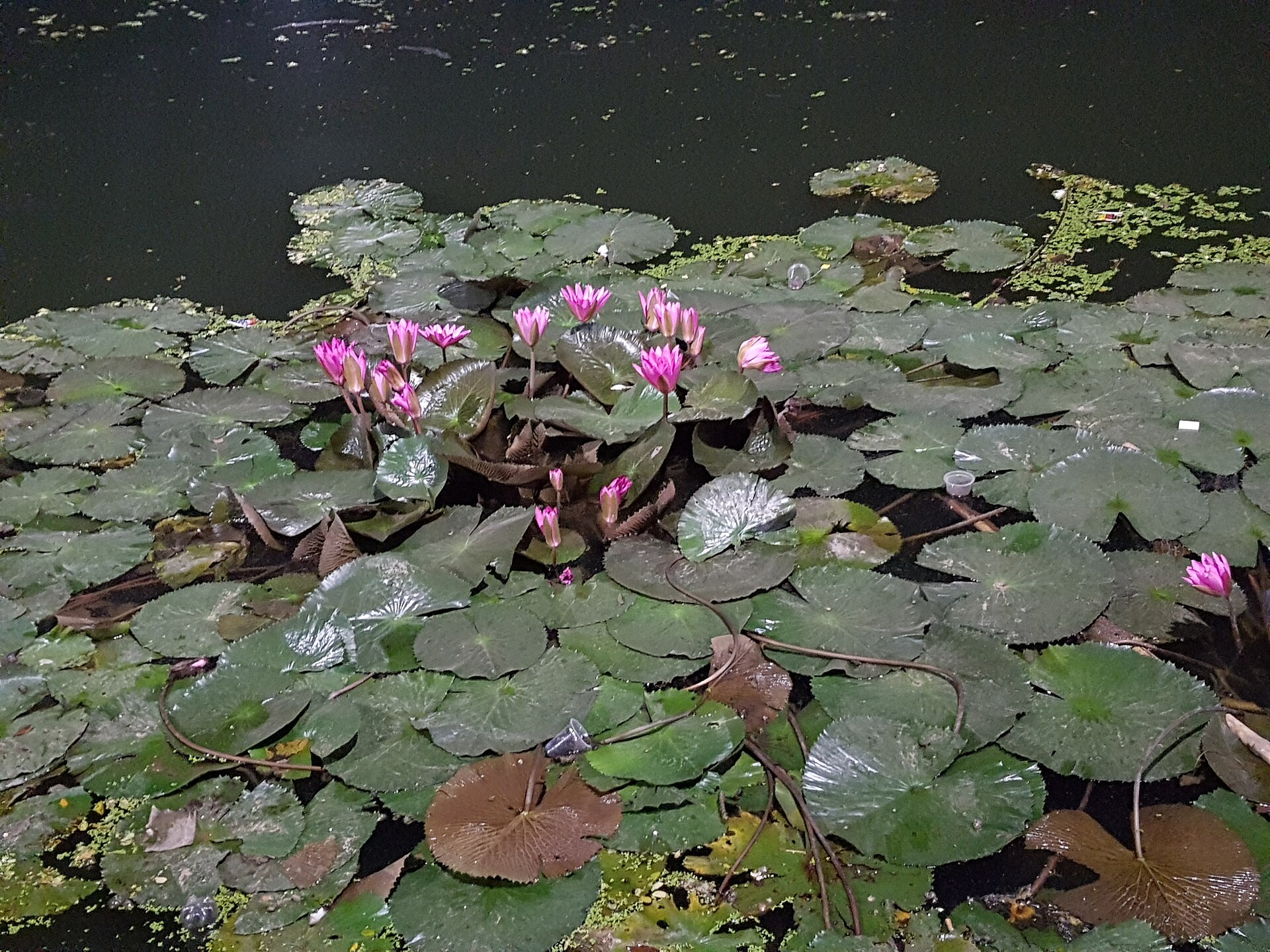
Dhanmondi Lake is one of those quiet corners in Dhaka where the city’s relentless energy softens into something slower, almost gentle. Tucked away in Mirpur Thana, it isn’t a tourist hotspot or a grand landmark, but rather a place woven into the daily lives of locals. There are no manicured gardens or ancient ruins here—just water stretching under the sky, and shorelines where people come to sit, watch, and breathe.
The lake took shape in the mid-20th century, when Dhaka was expanding rapidly. As the city grew, so did the need for spaces where residents could escape the concrete and noise. An artificial reservoir was carved out, and over time, the surrounding Dhanmondi neighborhood became one of the capital’s most sought-after areas. Today, the lake is framed by apartment buildings, small cafes, and shops, but its edges remain open to anyone who wants to linger by the water.
The lake’s surface isn’t always pristine, but that doesn’t stop people from gathering here at dawn and dusk. Joggers trace the perimeter, families stroll along the paths, and students find a quiet spot to read. On weekends, the area buzzes with life—children float paper boats, teenagers pose for photos, and elderly men play chess under the shade of trees. There’s no grand spectacle, just the easy rhythm of a neighborhood at rest.
The buildings around the lake are unremarkable in the way most of Dhaka’s architecture is—tall, functional, and built over decades. Some are sleek and modern, others bear the marks of older styles, but together they form the familiar backdrop of urban life. Along the shore, small pavilions offer shelter from the sun or rain, and a handful of cafes serve tea and snacks. Nothing here is designed to impress; it’s simply a place where people go about their day.
Beyond its role as a gathering spot, the lake serves a practical purpose in the city. It helps regulate humidity, acts as a natural drainage system during the monsoon season, and creates a microclimate that tempers Dhaka’s oppressive heat. In recent years, there have been efforts to clean the water and improve the walkways, though progress is slow. Even so, the lake remains one of the few places in the city where nature feels within reach.
For visitors, Dhanmondi Lake won’t be the highlight of a trip to Dhaka, but it offers something rarer—a glimpse of the city as it truly is. There are no crowds, no souvenir stalls, no guides vying for attention. Instead, there’s the quiet hum of everyday life. You can walk the perimeter, stop for a cup of tea at a roadside stall, or just sit on a bench and watch how locals spend their time. The food here is simple, the kind of thing you’d find in any neighborhood—spiced lentils, fried snacks, sweet milk tea.
As evening falls, the lake takes on a different mood. Lights flicker on along the shore, reflecting in the dark water, and the air fills with the sounds of the city—rickshaw bells, distant music, the murmur of conversation. It’s a good time to be here, when the heat of the day eases and the pace slows. You might grab a cup of tea and just listen, letting the city’s rhythm wash over you without trying to make sense of it.
Of course, the lake isn’t perfect. Sometimes the water is littered with debris, and parts of the walkway are worn down. But those imperfections are part of what makes it real. There’s no forced beauty here, just the unfiltered life of a neighborhood that has grown up around the water. For anyone who wants to see Dhaka beyond its monuments and museums, Dhanmondi Lake is a small but meaningful piece of the puzzle. It’s not a place you visit for the sights, but for the feeling of being, however briefly, part of the city’s pulse.