- Home
- Mauritius
- Black Rocks
- The Westin Turtle Bay Resort & Spa
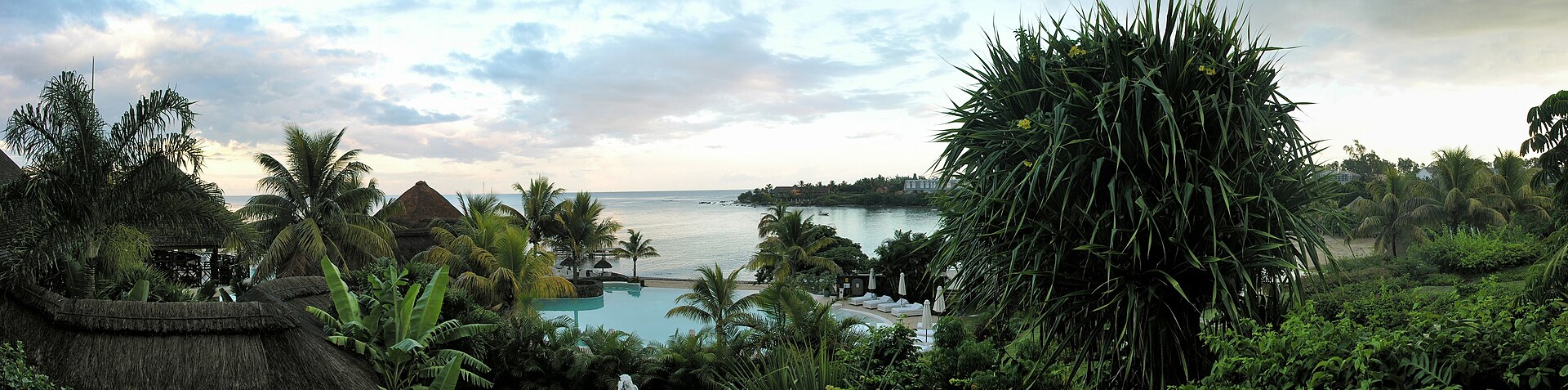
Photo: Wikimedia Commons, CC BY-SA 3.0
The Westin Turtle Bay Resort & Spa
out of 5 0 ratingsThe Westin Turtle Bay Resort & Spa sits where the Indian Ocean meets the northern coast of Mauritius, its waves whispering against the shore in a rhythm that feels older than the island itself. This isn’t a place for hurried sightseeing or crowded beachfronts—it’s where time slows to match the lazy drift of palm fronds in the breeze, where the only urgency is deciding whether to nap in the shade or wade into the warm shallows. The resort blends into the landscape rather than dominating it, its low-slung buildings with terracotta roofs and vine-draped terraces mirroring the natural curves of the coastline. Inside, the design balances local craftsmanship with quiet elegance: hand-carved wood, woven textiles in earthy tones, and open spaces that invite the outside in. There’s no ostentation here, just an unspoken understanding that comfort doesn’t need to shout.
The beach at Turtle Bay is the kind that lingers in memory long after you’ve left. It stretches narrow but long, its fine white sand soft underfoot even as the sun dips low. The water shimmers in shifting shades of blue and green, protected by offshore reefs that temper the ocean’s energy. Locals call it "turtle bay" for a reason—though sightings aren’t guaranteed, the occasional sea turtle gliding through the shallows is a quiet reminder of the wildness that still exists here. The beach isn’t manicured or crowded; it feels like a shared secret, where the only footprints in the sand might be your own. Some days the waves are gentle, lapping at the shore like a cat at a bowl of milk; other times, the wind picks up, sending salt spray into the air and turning the water choppy. Either way, it’s impossible not to feel the pull of the horizon.
The resort’s infinity pool is where many guests find themselves at some point during their stay. Perched at the edge of the property, it seems to spill directly into the ocean, the line between pool and sea dissolving into a blur of blue. By day, it’s a sunlit expanse of water, dotted with loungers and shaded cabanas; by evening, it glows under strings of lights, the air thick with the scent of frangipani. There’s a bar nearby, stocked with local rum and fresh juices, and a menu of simple, satisfying dishes—grilled fish, tropical fruit, salads that taste like they were picked that morning. It’s the kind of place where hours slip away unnoticed, where the only decision that matters is whether to order another drink or finally drag yourself back to your room.
For those who want to move beyond the lounger, the resort offers a mix of activities that don’t feel like obligations. Kayaks and paddleboards are available for exploring the coastline, their bright hulls cutting through the water as you glide past rocky outcrops and hidden coves. The reefs here are alive with fish—parrotfish darting between coral, sergeant majors flashing silver in the sunlight—and snorkeling is less about ticking off a bucket-list experience than it is about floating weightless in a world that moves to its own pace. On land, trails wind through coastal scrub and along the cliffs, offering views of the ocean stretching endlessly toward the horizon. In the evenings, live music drifts across the property, sometimes jazz, sometimes the rhythmic pulse of Mauritian sega, its beats inviting you to sway or simply sit and watch the sky turn gold.
The spa is a retreat within a retreat, a cluster of low buildings surrounded by gardens where the air hums with the sound of insects and the occasional rustle of leaves. Treatments here lean into the island’s traditions, using local ingredients like coconut oil, aloe, and seaweed harvested from the lagoon. A massage isn’t just a massage—it’s a ritual, the therapist’s hands working out knots while the scent of lemongrass fills the room. There’s a hammam for those who want to sweat out the day’s stresses, and private couples’ suites where you can spend an evening wrapped in robes, sipping tea as the sun sets. The best part? No one rushes you. You’re meant to linger, to let the hours dissolve into something softer, slower.
Food at The Westin Turtle Bay is a quiet education in Mauritian flavors, a cuisine shaped by the island’s layered history. Breakfast might mean fresh pineapple and mango, still warm from the sun, alongside flaky pastries and local cheeses. Lunch could be a bowl of seafood curry, its sauce rich with turmeric and coconut milk, or a plate of grilled octopus with chili and lime. Dinner is often fish—perhaps dorado or mahi-mahi—charred over an open flame and served with rice, lentils, and a side of chutney that balances sweet and spicy. The spices here aren’t just seasonings; they’re a language, each one telling a story of trade routes and cultural exchange. The wine list leans toward South African and French bottles, chosen to complement rather than overpower the food. And if you’re lucky, you might find yourself at a beachside barbecue, where the air smells of woodsmoke and the sound of waves blends with laughter and clinking glasses.
Beyond the resort, the surrounding area offers glimpses of Mauritius beyond the postcard-perfect beaches. The nearby village of Roche-Noire is a quiet place, its streets lined with small shops selling handmade crafts and spices. A short drive away, Port Louis buzzes with energy—its markets overflowing with fruit, its streets a mix of colonial architecture and modern hustle. To the south, the island’s interior reveals a different side: waterfalls tumbling over black volcanic rock, hiking trails winding through forests of ebony and bamboo. But many guests find themselves reluctant to leave. There’s something about Turtle Bay that makes even the thought of venturing elsewhere feel unnecessary. The resort doesn’t just offer a place to stay; it offers a way to exist, if only for a little while, in a rhythm that feels entirely your own.
What makes The Westin Turtle Bay different isn’t its luxury—though it’s certainly comfortable—but its ability to make you forget you’re in a resort at all. There’s no forced cheerfulness, no scripted experiences, just a sense of being exactly where you’re meant to be. The staff don’t hover; they’re there when you need them, invisible when you don’t. The rooms feel like private sanctuaries, their balconies or terraces offering views of the ocean or the gardens. At night, the only sounds are the waves and the occasional rustle of palm fronds. It’s the kind of place where you might arrive with a list of things to do and leave having done nothing at all—except, perhaps, remember what it feels like to slow down. The ocean doesn’t care about your schedule, and neither, it seems, does Turtle Bay.
Day around this place
Where else to go on the same day
Building the day…
Where it is
-20.09066, 57.51090