Fadiouth is a small island just off the coast of Senegal, a short distance south of the quiet town of Nianing. Unlike the crowded resorts and bustling beaches found elsewhere along the Atlantic, this place feels untouched by modern tourism. The shoreline is lined with mangroves, the air carries the scent of salt and fish, and life moves to the rhythm of the tides. Fishermen set out in wooden pirogues at dawn, their nets spread across the sand to dry under the sun. For the people who live here, the sea is both livelihood and way of life.
The island’s past is layered with history, though little of it is immediately visible. Centuries ago, Fadiouth served as a stopover for slave ships bound for the Americas, a dark chapter remembered in the crumbling forts that still stand along the coast and in the stories passed down by elders. Later, during the colonial era, it became a trading post for French merchants before transforming into a fishing community. Today, the island is home to a close-knit population that has preserved its traditions while adapting to the changing world.
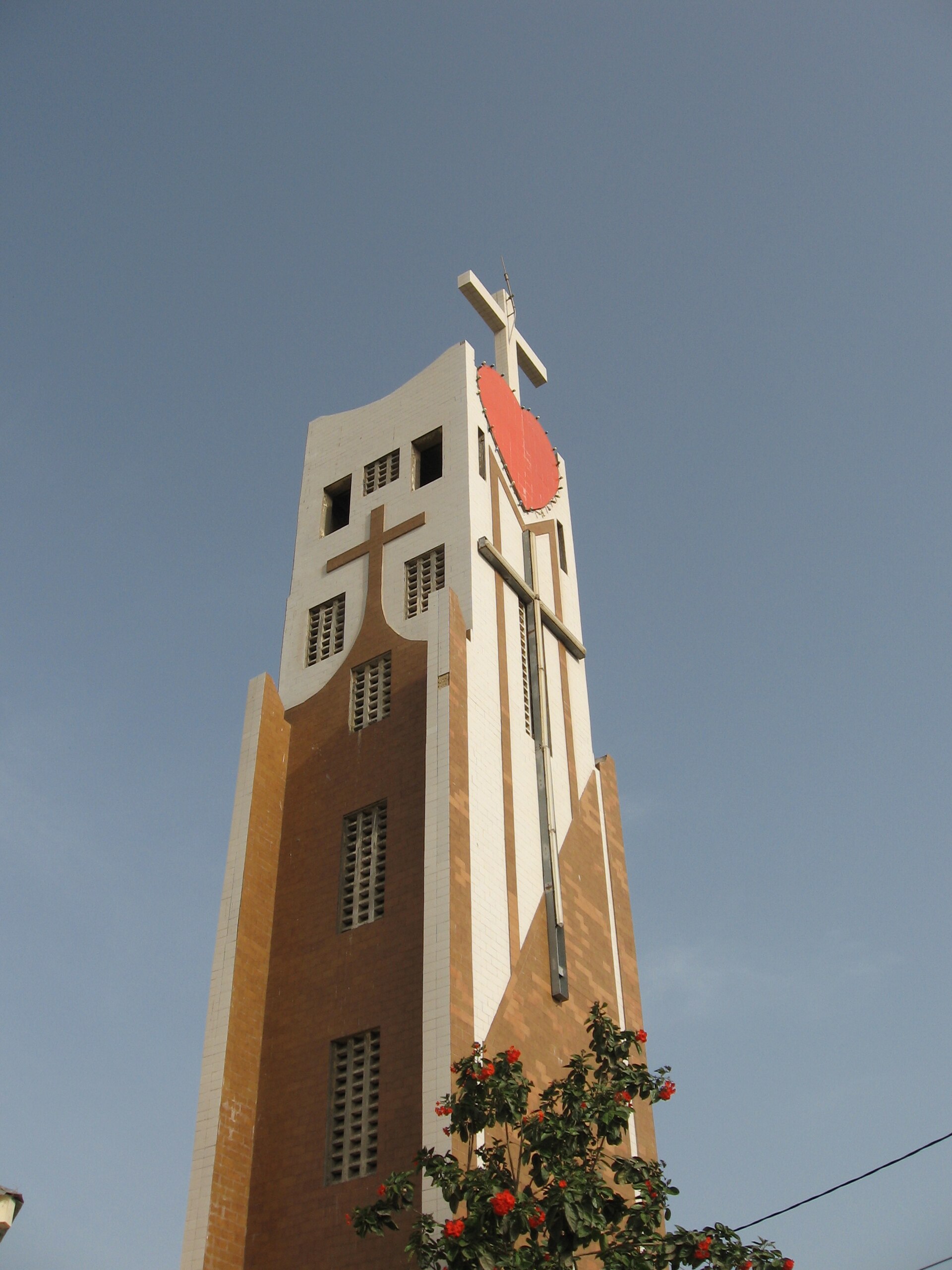
The architecture here is simple but well-suited to the climate. Houses are built from clay, wood, and palm fronds, materials that keep interiors cool despite the heat and humidity. Narrow paths wind through the village, leading to a modest mosque with a slender minaret that rises above the rooftops. Along the shore, wooden docks stretch into the water, and women can often be seen processing the day’s catch—cleaning, salting, and drying fish in the open air. There are no grand buildings or monuments, just the quiet functionality of a place shaped by necessity.
The waters around Fadiouth are protected by coral reefs, which soften the force of the ocean waves and create a thriving underwater ecosystem. At low tide, the clear shallows reveal sea urchins and crabs, while colorful fish dart between the rocks. The mangroves along the coast provide shelter for birds—herons, pelicans, and other species that nest in the dense foliage. During the rainy season, the island bursts into life, the landscape turning lush and green, the air thick with the scent of blooming plants.
Daily life on Fadiouth follows a rhythm set by nature. Mornings begin with the first light, as fishermen prepare their boats and head out to sea. By midday, the heat drives most people indoors for a rest, and the village grows quiet. Evenings are for gathering—fires are lit on the beach, drums play, and families and neighbors come together. Visitors are welcomed with warmth, often invited to share a meal of grilled fish and sweet mint tea, a staple of Senegalese hospitality.
There are no hotels or tourist facilities here, and that’s part of the appeal. Those who come to Fadiouth do so to experience something real—whether it’s joining a fishing trip in a pirogue, learning to cook local dishes, or simply spending a day wandering the empty beaches. The island doesn’t offer the usual distractions of travel; instead, it offers a chance to step into a way of life that has remained largely unchanged for generations.
Electricity is limited, and water comes from wells, but these details only add to the island’s charm. There’s a sense of timelessness here, a reminder of what life was like before the rush of the modern world. Days unfold slowly, marked by small moments—a conversation with a fisherman, the sight of the sun setting over the ocean, the quiet of a beach with no one else in sight.
Fadiouth is beginning to attract travelers seeking authenticity, but it remains far from a tourist hotspot. The people who live here have no interest in turning their home into a spectacle. Instead, they continue to live as their ancestors did, fishing, trading, and preserving the traditions that define their community. For those who visit, the island offers something rare: a place where time feels suspended, where the past and present coexist without pretense.
What keeps people coming back is the absence of structure. There are no schedules to follow, no must-see attractions, just the freedom to exist in the moment. To sit by the water, listen to the waves, and watch the light play across the surface. To breathe in the salt air and let the simplicity of the place sink in. It’s not a destination for everyone, but for those who find their way here, Fadiouth leaves an impression that lingers long after they’ve left.