Osh Bazaar is one of those places where Bishkek’s past and present collide in the most ordinary, unscripted way. Unlike the polished markets of tourist-heavy cities, this sprawling labyrinth of stalls and alleys feels like it hasn’t changed much in decades. It’s not just a market—it’s a living piece of the city’s daily rhythm, where the scent of fresh bread mingles with the sharp tang of spices, and the hum of haggling voices rises above the clatter of carts and footsteps.
The bazaar’s history stretches back to the early 20th century, when Bishkek was still a small town known as Pishpek. As the Soviet Union developed the region, the market became a central hub for trade, drawing merchants from across Central Asia. Over time, it grew into the chaotic, vibrant maze it is today, a place where you can find everything from handmade knives to imported electronics. The layout hasn’t been carefully planned—it’s evolved organically, with narrow paths winding between makeshift counters and open-air sections where vendors lay out their goods on blankets.
Walking through Osh Bazaar is like stepping into a cross-section of Kyrgyz life. The produce section is a riot of color, with piles of ripe tomatoes, crisp cucumbers, and mountains of fresh herbs. Vendors sell dried fruits—apricots, raisins, and figs—stacked in neat pyramids, while others offer slabs of honeycomb or jars of homemade preserves. The air is thick with the smell of freshly baked *lepyoshka*, the round, crusty bread that’s a staple in Kyrgyz households. Nearby, butchers display cuts of lamb and beef, their stalls often shaded by awnings flapping in the breeze.
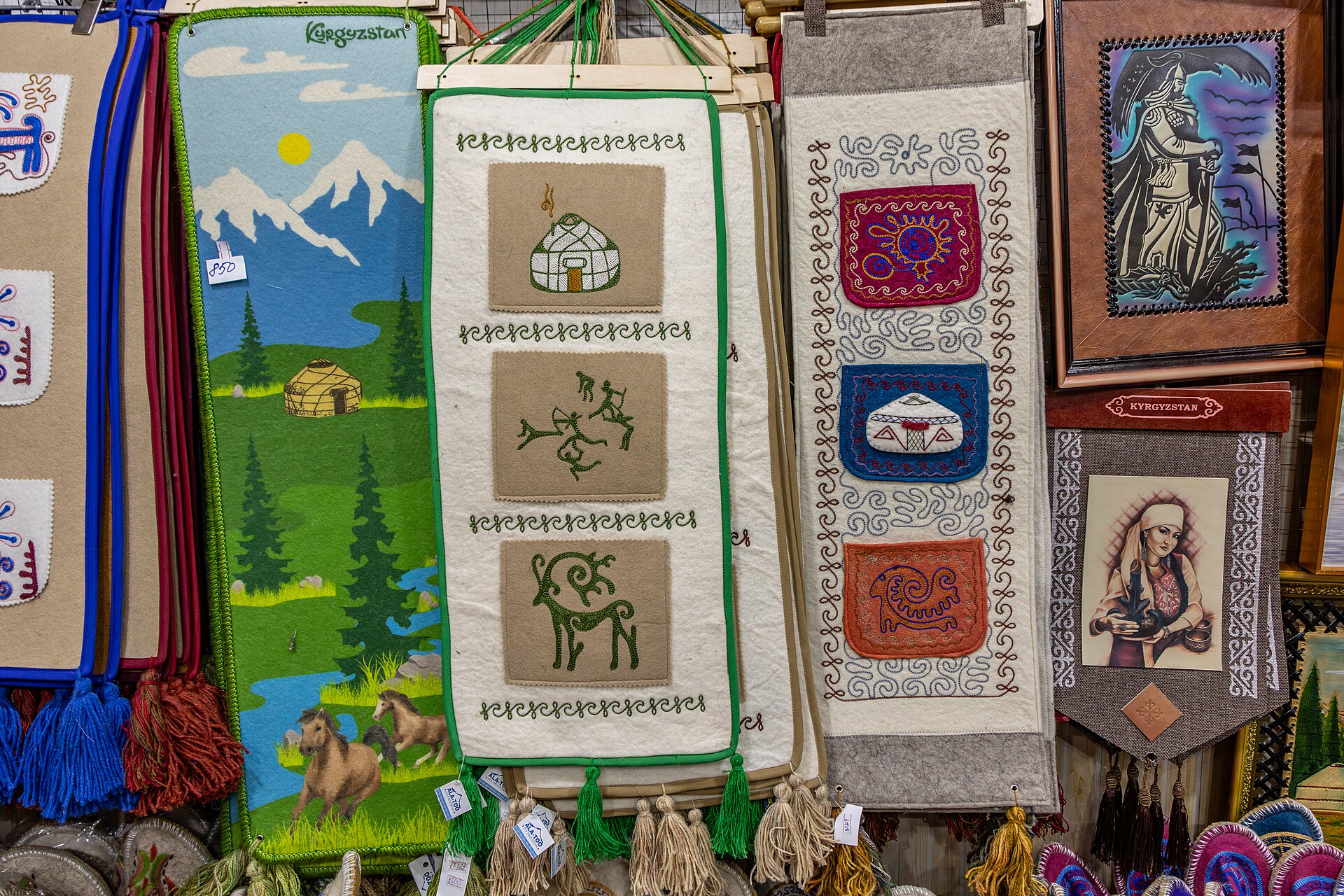
Beyond food, the bazaar is a treasure trove of everyday goods. You’ll find stalls selling traditional Kyrgyz felt carpets, known as *shyrdaks*, their intricate patterns a testament to the skill of local artisans. There are rows of hand-stitched embroidery, leather belts, and wooden crafts, alongside more modern items like phone cases and cheap clothing. The variety is overwhelming, but that’s part of the charm—you never know what you might stumble upon.
One of the most fascinating sections is the spice market. Here, sacks and bins overflow with cumin, coriander, paprika, and other spices, their aromas so strong they linger in your clothes long after you’ve left. Vendors scoop out portions with practiced ease, weighing them on old-fashioned scales. Nearby, you might find stacks of dried herbs used in traditional medicine or bundles of *chai*—the strong, dark tea that’s a staple of Kyrgyz hospitality.
The people who work here are as much a part of the bazaar’s character as the goods they sell. Many vendors have been coming to Osh Bazaar for generations, their families tied to the same stalls for decades. They know their regulars by name, and the interactions—whether a quick joke or a lengthy negotiation—feel personal. There’s a sense of community here, even amid the chaos. In the early mornings, the market is at its busiest, with farmers unloading their produce and shoppers jostling for the best deals. By midday, the pace slows slightly, but the energy never fades.
For visitors, Osh Bazaar is more than just a place to shop—it’s a window into Kyrgyz culture. It’s where you can try *samsa*, the flaky meat pies baked in tandoor ovens, or sip on *kymyz*, the fermented mare’s milk that’s a point of pride for many locals. The market doesn’t cater to tourists, which makes it all the more authentic. There are no English signs, no guided tours, just the raw, unfiltered experience of a place that exists for the people who rely on it every day.
That said, it’s not always an easy place to navigate. The crowds can be overwhelming, especially during peak hours, and the narrow alleys make it easy to get turned around. Pickpockets are a risk, as they are in any busy market, so it’s wise to keep an eye on your belongings. But these minor inconveniences are part of what makes Osh Bazaar feel real. It’s not a sanitized attraction—it’s a working market, with all the grit and charm that implies.
If you’re looking for a souvenir, the bazaar offers plenty of options, but the best ones aren’t always the most obvious. A handwoven scarf, a small wooden carving, or even a bag of local spices can carry more meaning than mass-produced trinkets. The key is to take your time, wander without a plan, and let the market reveal itself. You might not find what you came for, but you’ll almost certainly find something unexpected.
Osh Bazaar isn’t just a place to visit—it’s a place to experience. It’s where the heart of Bishkek beats strongest, where the city’s traditions and modern life intersect in the most unassuming way. Whether you’re there for the food, the people, or just the sheer sensory overload, it leaves an impression that lingers long after you’ve walked away.