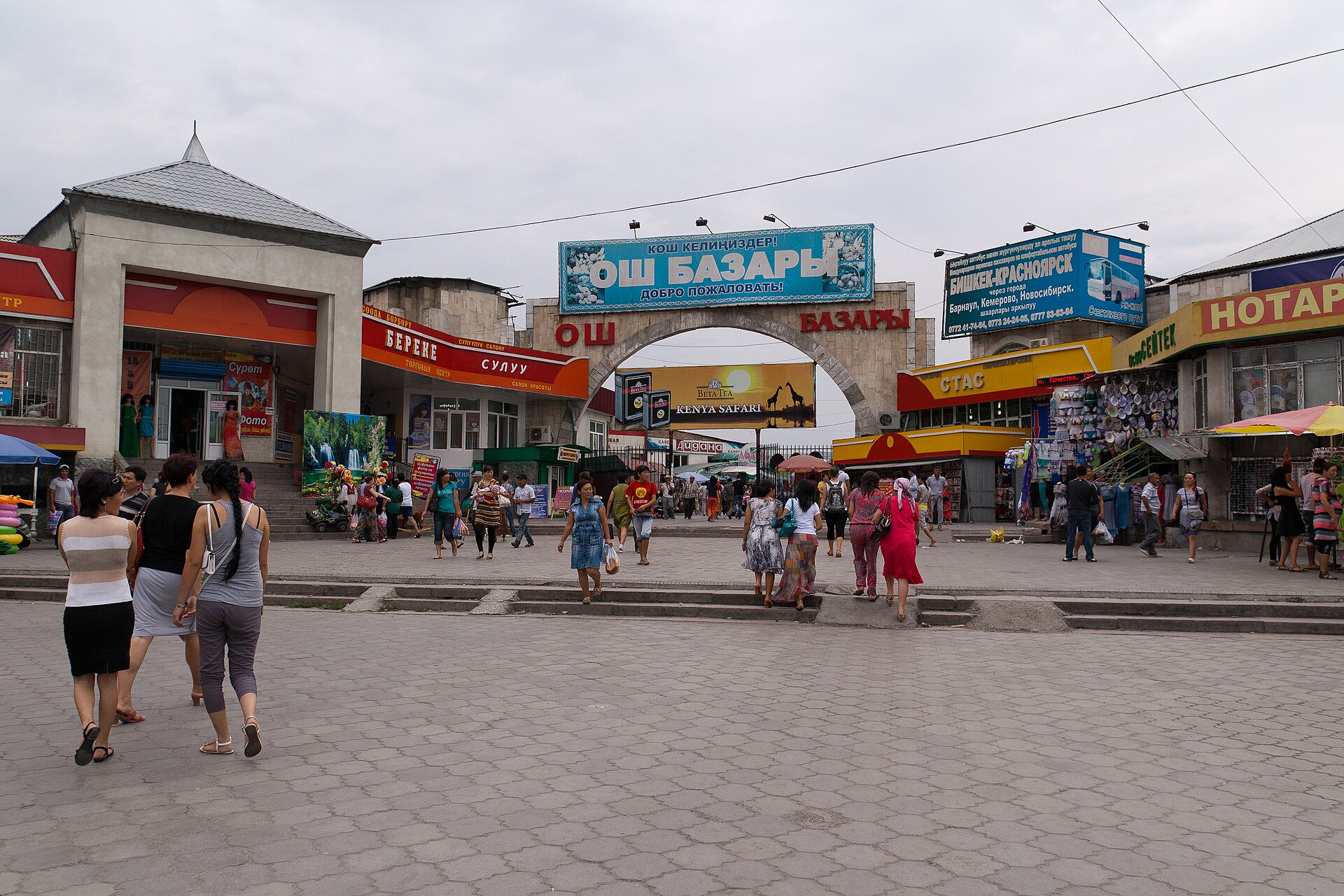
Osh Bazaar is one of those rare places where the past doesn’t just linger in the background—it actively shapes the present. Tucked away in Osh’s October District, this sprawling market has long since outgrown its role as a simple trading post. It’s a living, breathing entity where the rhythms of daily life in southern Kyrgyzstan unfold in real time. The bazaar isn’t just a place to buy things; it’s where the city’s identity takes tangible form, where tradition and modernity coexist in an unspoken balance. Walk through its alleys, and you’ll sense that this is more than commerce—it’s a way of life that has endured for centuries.
The history of Osh Bazaar is as old as the city itself. Osh, often called the "capital of the south," is one of Central Asia’s most ancient settlements, with roots stretching back over three thousand years. Its location at the crossroads of the Great Silk Road made it a natural hub for trade, where caravans laden with silk, spices, and precious metals converged from China, India, and the Fergana Valley. The bazaar emerged as the heart of this exchange, a place where goods weren’t just sold but where ideas, languages, and cultures mingled. Even today, the market retains that sense of continuity, as if the echoes of those ancient traders still linger in the air.
The layout of Osh Bazaar feels organic, almost accidental, yet it follows a logic all its own. Unlike the sterile uniformity of modern shopping centers, the market sprawls across a labyrinth of narrow passages, where wooden stalls and metal awnings cast shifting patterns of light and shadow. The architecture is functional rather than grand—built to serve the needs of trade, not to impress. Over the years, newer structures have been added, but they don’t disrupt the bazaar’s character. Instead, they blend in, reinforcing the sense that this is a place that has grown naturally over time, shaped by the people who use it.
What makes Osh Bazaar truly special is the people who bring it to life. The market is a microcosm of southern Kyrgyzstan’s diversity, where Kyrgyz, Uzbeks, Tajiks, Russians, and Uyghurs all gather, each contributing their own traditions to the mix. The vendors aren’t just sellers; they’re storytellers, offering advice on how to pick the ripest melon or the best way to prepare a dish. Shoppers move at their own pace, haggling over prices, sampling dried fruits, or simply catching up with neighbors. The interactions feel unhurried, almost ritualistic, as if the act of buying and selling is secondary to the connections being made.
The sheer variety of goods on offer is staggering. The bazaar is a feast for the senses, where the air is thick with the scent of spices, fresh bread, and ripe fruit. In the produce section, mountains of vegetables from the fertile Fergana Valley—tomatoes, peppers, eggplants—sit alongside sacks of dried apricots, raisins, and figs. Nuts are another staple, sold by the scoop from enormous bags: walnuts, almonds, pistachios, and the local favorite, chuchuk, a smoked cheese made from sheep’s milk. In summer, the market transforms into a paradise for fruit lovers, with peaches, melons, and grapes piled high, their sweetness almost palpable.
Beyond food, the bazaar is a treasure trove of handmade crafts. Local artisans display their work—embroidered skullcaps, felt bags, intricately woven carpets, and wooden utensils—each piece carrying the marks of tradition. These aren’t just souvenirs; they’re artifacts of a living culture, passed down through generations. For many craftsmen, the bazaar is more than a place to earn a living—it’s a way to preserve their heritage in a rapidly changing world. The patterns on a carpet or the stitching on a bag tell stories of family, history, and identity.
The culinary scene at Osh Bazaar is just as vibrant. The market isn’t just a place to buy ingredients; it’s where you can taste them in their most authentic form. Scattered throughout the bazaar are small eateries and teahouses serving up regional specialties. Laghman, a hearty noodle soup with tender meat and vegetables, is a staple, as are manti—steamed dumplings filled with lamb or pumpkin. Samsa, flaky pastries stuffed with meat or greens, are baked fresh in traditional tandyr ovens, their aroma drawing in hungry shoppers. And then there’s tea, served in small bowls, often with a splash of milk or a pinch of salt, the way it’s been enjoyed in the mountains for generations. The teahouses are more than just places to eat; they’re social hubs where locals gather to chat, share news, or simply take a break from the day’s hustle.
The bazaar changes with the time of day, each hour bringing its own mood. Mornings are the busiest, as farmers arrive with fresh produce and vendors arrange their goods for the day. The air is filled with the sounds of bargaining, the clatter of carts, and the hum of conversation. By midday, the pace slows as people take breaks for lunch, filling the teahouses and small cafes. As evening falls, the market takes on a different character. The heat of the day gives way to a cooler breeze, and the lights flicker on, casting a warm glow over the stalls. This is when the bazaar feels most alive—not as a place of commerce, but as a gathering spot for the community, where people come to unwind, meet friends, or simply enjoy the atmosphere.
For visitors, Osh Bazaar offers a rare glimpse into the everyday life of southern Kyrgyzstan. There are no staged performances or tourist traps here, just the unfiltered reality of a place where people work, shop, and socialize. It’s a chance to see how traditions are kept alive, how communities interact, and what matters most to the people who call this region home. The bazaar isn’t frozen in time; it evolves with the city, yet it remains deeply rooted in its past. That tension between change and continuity is what makes it so compelling—it’s a place where you can feel the pulse of Osh, its history, and its people.
More than just a market, Osh Bazaar is a living archive of the region’s culture. Every item sold, every conversation overheard, every scent in the air tells a story. It’s where the past and present intersect, where the legacy of the Silk Road meets the realities of modern life. For locals, the bazaar is a part of their daily routine; for travelers, it’s a window into a world that feels both familiar and entirely new. And perhaps that’s the real magic of the place—it doesn’t just sell goods; it offers a connection to something deeper, something that lingers long after you’ve left its alleys.